RNA sequencing
Quick Summary
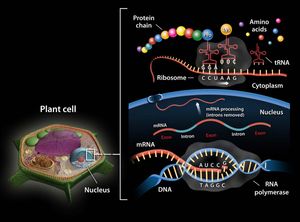
RNA sequencing is a biotechnology that determines the nucleotide sequence of RNA. RNA is a single-stranded nucleic acid that plays a crucial role in protein synthesis and carries genetic codes in some viruses. It consists of nucleotides with adenine, guanine, cytosine, and uracil bases.
RNA sequencing is an advancement over DNA sequencing, which determines the DNA sequence. While DNA holds the genetic blueprint, RNA acts as an intermediary, transcribing information from DNA into proteins. Different types of RNA, such as messenger RNA (mRNA), transfer RNA (tRNA), and ribosomal RNA (rRNA), have distinct functions in cellular processes. Advances in sequencing technologies have made it possible to analyze RNA on a large scale, aiding in understanding gene regulation and various diseases.123
Ask Britannica AI about this topic
Britannica doesn't have a full article on this topic, so we've curated a list of our relevant coverage.