Lassa fever
Quick Summary
Lassa fever is a disease primarily found in Africa, caused by an arenavirus. It is characterized by symptoms such as high fever, headaches, mouth ulcers, muscle aches, and small hemorrhages under the skin. In severe cases, it can lead to heart and kidney failure and has a high mortality rate.1
Lassa fever is one of several viral hemorrhagic fevers, which are highly fatal diseases marked by bleeding. These fevers are often geographically restricted due to specific animal or insect hosts. Arenaviruses, like the one causing Lassa fever, are typically spread to humans through contact with rodent excreta that contaminates food or soil. While liver cancer is prevalent in some of the same regions as Lassa fever, it is a distinct condition with different causes and characteristics.23
Ask Britannica AI about this topic
Britannica doesn't have a full article on this topic, so we've curated a list of our relevant coverage.
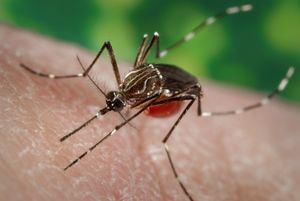 viral hemorrhagic fever
The arenaviruses cause the diseases Lassa fever (occurring in Africa), Argentine hemorrhagic fever, Bolivian hemorrhagic fever, Brazilian hemorrhagic fever, and Venezuelan hemorrhagic fever.
Read MoreThe arenaviruses cause the diseases Lassa fever (occurring in Africa), Argentine hemorrhagic fever, Bolivian hemorrhagic fever, Brazilian hemorrhagic fever, and Venezuelan hemorrhagic fever.
Read More- arenavirus
The arenaviruses cause the diseases Lassa fever (Lassa virus; occurring in West Africa), Argentine hemorrhagic fever (Junin virus), Bolivian hemorrhagic fever (Machupo virus), Brazilian hemorrhagic fever (Sabiá virus), and Venezuelan hemorrhagic fever (Guanarito virus).
Read MoreThe arenaviruses cause the diseases Lassa fever (Lassa virus; occurring in West Africa), Argentine hemorrhagic fever (Junin virus), Bolivian hemorrhagic fever (Machupo virus), Brazilian hemorrhagic fever (Sabiá virus), and Venezuelan hemorrhagic fever (Guanarito virus).
Read More