
How does diffusion move heat during a flame reaction?
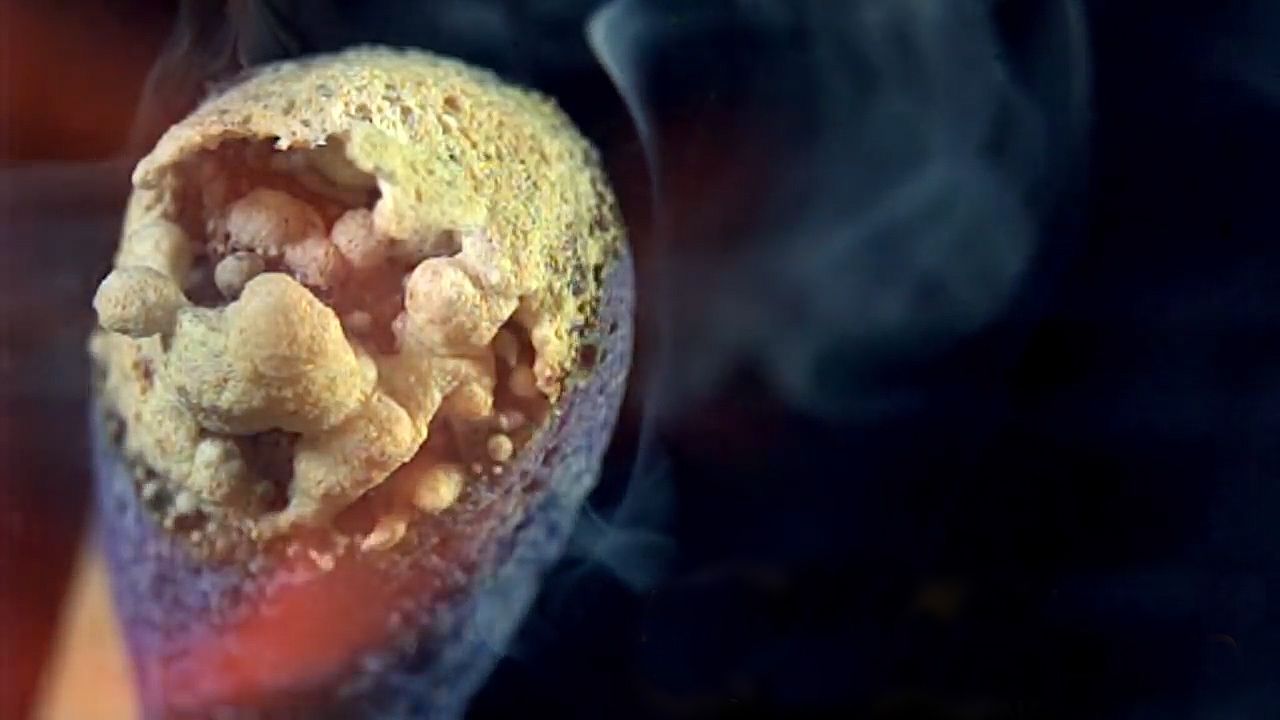
In the context of a flame reaction, it is important to clarify that heat transfer and the diffusion of reactive species are distinct but complementary processes that facilitate flame propagation. While heat is primarily transferred through thermal conduction, diffusion specifically refers to the movement of mass—specifically reactive molecules—rather than the direct movement of heat energy itself.12
According to diffusion theory, flame propagation occurs because radicals and other reactive species produced in the flame front diffuse into the unburned mixture. As these active particles move into the inner cone, they ignite the fuel-air mixture, sustaining the self-propagating cycle of the flame.12
While diffusion is a mass-transport process, it is often studied alongside thermal conductivity because both are essential for understanding how a flame maintains its structure and velocity. In some specific physical contexts, such as the diffusion thermoeffect, concentration differences can lead to small temperature changes, but in standard flame propagation, diffusion is primarily responsible for the transport of chemical species that trigger combustion.134