
Britannica
Sources used in this answer
How does combustion spread through a mixture of fuel and oxygen?
Created from Britannica articles
using AI.
AI can make mistakes, so verify using Britannica articles.
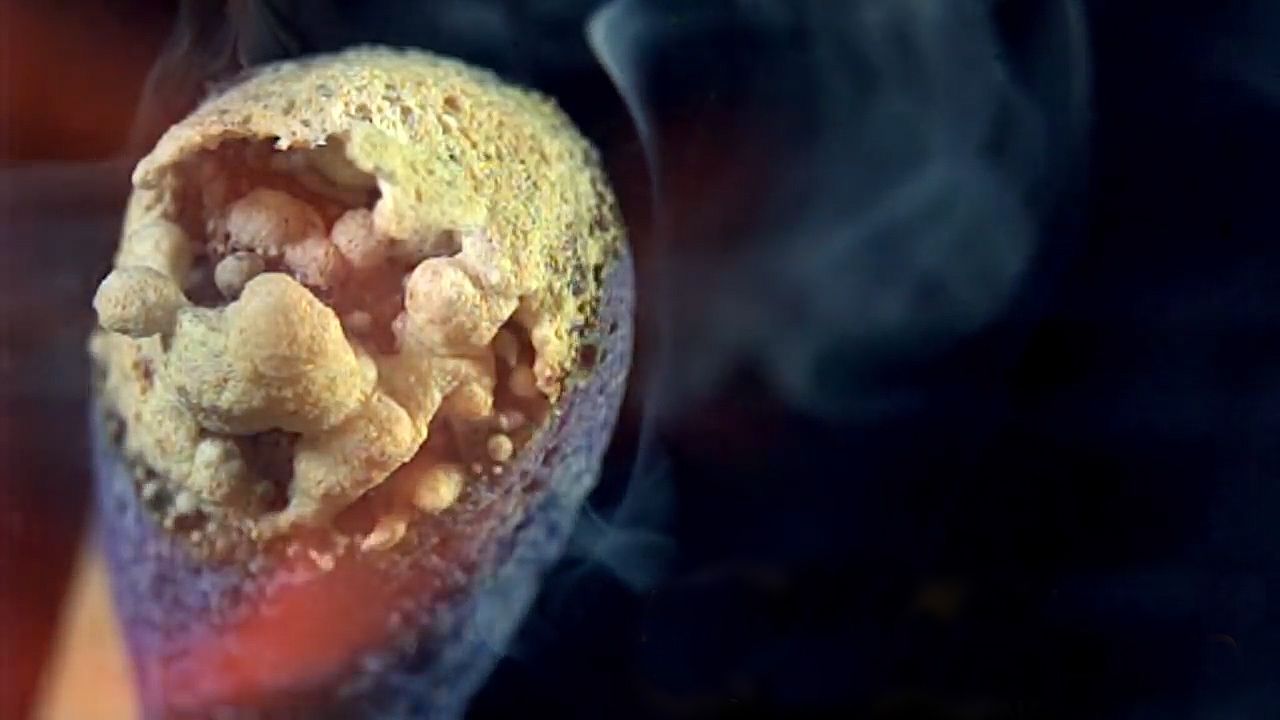
combustion
Learn about the chemistry of lighting a match.
Combustion spreads through a mixture of fuel and oxygen via a chain-reaction process where each burning layer of the mixture acts as an ignition source for the next adjacent layer. This propagation is driven by two primary mechanisms:1
- Heat Transport: Thermal energy is transferred from the combustion zone (the flame front) to the unburned mixture, raising its temperature until it reaches the ignition point.21
- Diffusion: Active particles, specifically radicals produced within the flame front, diffuse into the unburned mixture, triggering the chemical reactions necessary to sustain the flame.2
The speed at which this process occurs is defined as the fundamental burning velocity, which is influenced by the mixture's chemical and thermodynamic properties, as well as ambient pressure and temperature. While thermal theories emphasize the role of heat conduction, modern understanding recognizes that both heat transport and the diffusion of active species are essential for the continuous propagation of the flame front through the fuel-oxygen mixture.2