
Britannica
Sources used in this answer
How do magnetic domains make iron strongly magnetic?
Created from Britannica articles
using AI.
AI can make mistakes, so verify using Britannica articles.
electromagnetism
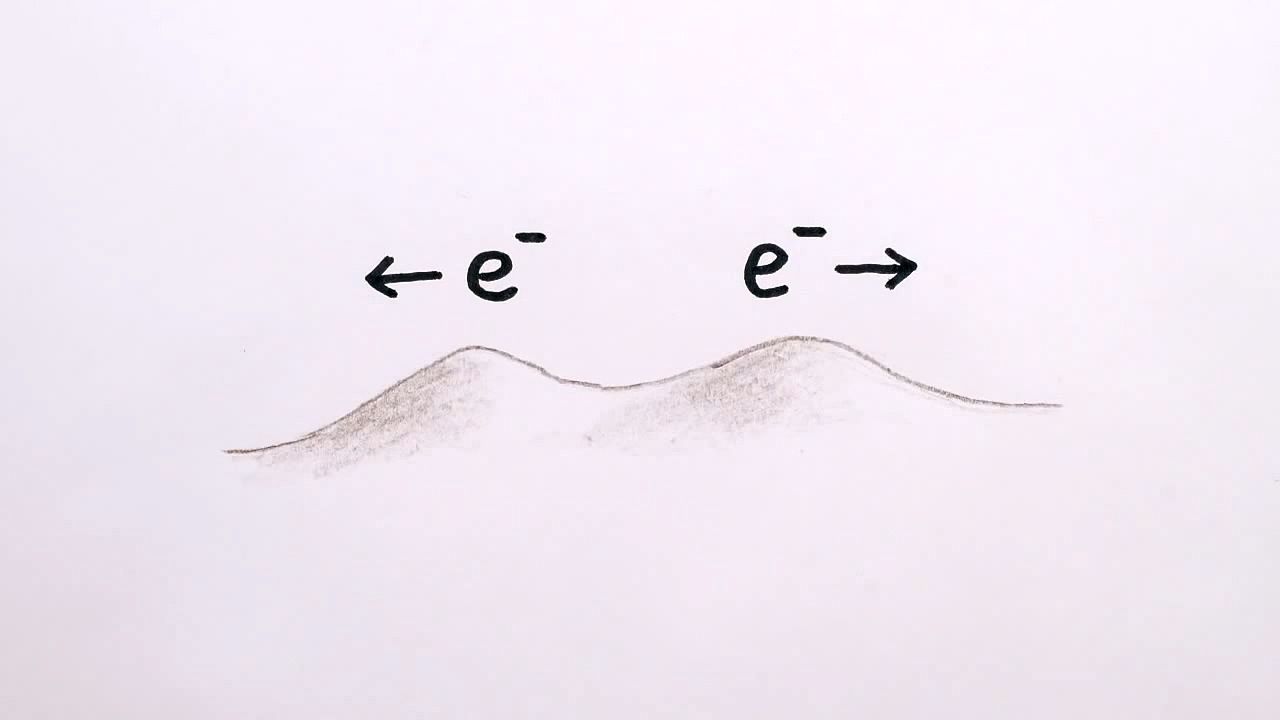
Learn how the presence of electrons between two objects changes the notion of touch.
Magnetic domains are small regions within a ferromagnetic material, such as iron, where the magnetic moments of all constituent atoms are aligned in the same direction.12
In an unmagnetized state, these domains are randomly oriented, causing their individual magnetic fields to cancel each other out, resulting in no net magnetism for the object as a whole. Iron becomes strongly magnetic when an external magnetizing field is applied, which forces these domains to change their configuration. This process occurs in three primary stages:12
- Growth: Domains already oriented in the direction of the external field grow in size at the expense of unfavorably oriented domains through the movement of domain walls.1
- Rotation: As the external field strength increases, the magnetization directions of the domains rotate to align more closely with the applied field.12
- Saturation: In strong fields, the material reaches a state of saturation, where the entire object effectively acts as a single, strongly aligned domain.12