
How do heat transfer and radicals help a flame front move into unburned fuel?
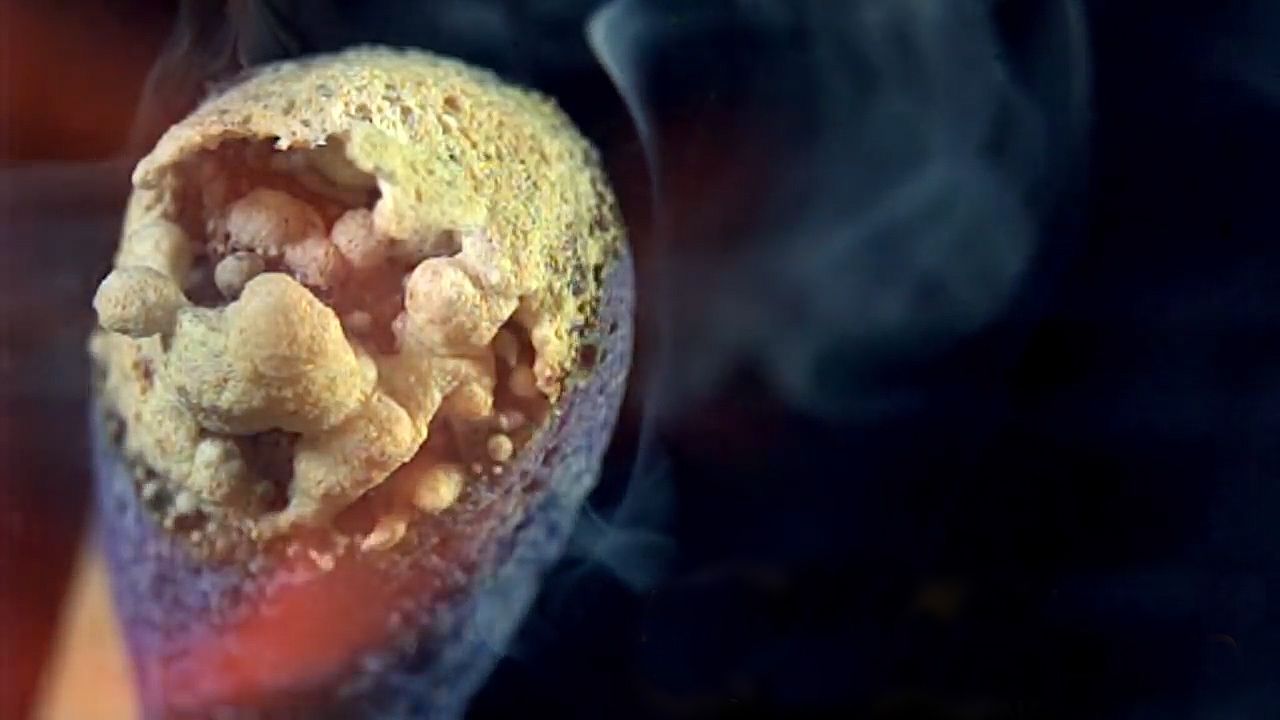
Flame propagation—the movement of a flame front into unburned fuel—is explained by two primary mechanisms: heat transfer and the diffusion of reactive species.12
Heat Transfer
According to thermal theories, heat energy is transported from the combustion zone (the flame front) to the adjacent unburned mixture. This transfer occurs via thermal conduction, raising the temperature of the unburned fuel and air until it reaches its ignition temperature. Once ignited, this newly burned region releases its own heat, which then flows to the next layer of unburned mixture, creating a self-propagating cycle.12
Diffusion of Radicals
Diffusion theory focuses on the role of radicals—highly reactive, short-lived chemical intermediates produced in the flame front. These active particles diffuse from the high-temperature combustion zone into the unburned mixture. By reacting with the fuel, these radicals initiate the chemical processes necessary to ignite the mixture, effectively driving the flame front forward.132
In practice, both heat transport and the diffusion of these active species are considered essential for the continuous propagation of a flame.1