

Bordeaux mixture
Quick Summary
Bordeaux mixture is a fungicide created by combining copper sulfate, lime, and water. It was first used in 1888 and is also known as Bordeaux mixture. A similar fungicide, Burgundy mixture, uses sodium carbonate instead of lime. These fungicides are examples of chemical control methods used in plant pathology to combat diseases. They work by protecting plants from pathogens.123
Ask Britannica AI about this topic
Britannica doesn't have a full article on this topic, so we've curated a list of our relevant coverage.
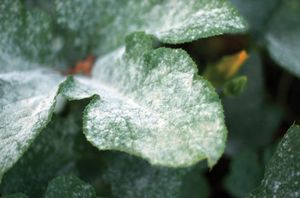 fungicide
Bordeaux mixture, a liquid composed of hydrated lime, copper sulfate, and water, was one of the earliest fungicides. Bordeaux mixture and Burgundy mixture, a similar composition, are still widely used to treat orchard trees. Copper compounds and sulfur have been used on plants separately and…
Read MoreBordeaux mixture, a liquid composed of hydrated lime, copper sulfate, and water, was one of the earliest fungicides. Bordeaux mixture and Burgundy mixture, a similar composition, are still widely used to treat orchard trees. Copper compounds and sulfur have been used on plants separately and…
Read More origins of agricultureBeginnings of pest control
The Bordeaux mixture fungicide (copper sulfate and lime), discovered accidentally in 1882, was used successfully against vine downy mildew; this compound is still employed to combat it and potato blight. Since many insecticides available in the 19th century were comparatively weak, other pest-control methods were used…
Read MoreThe Bordeaux mixture fungicide (copper sulfate and lime), discovered accidentally in 1882, was used successfully against vine downy mildew; this compound is still employed to combat it and potato blight. Since many insecticides available in the 19th century were comparatively weak, other pest-control methods were used…
Read More