


Vojvodina
-
What is Vojvodina?
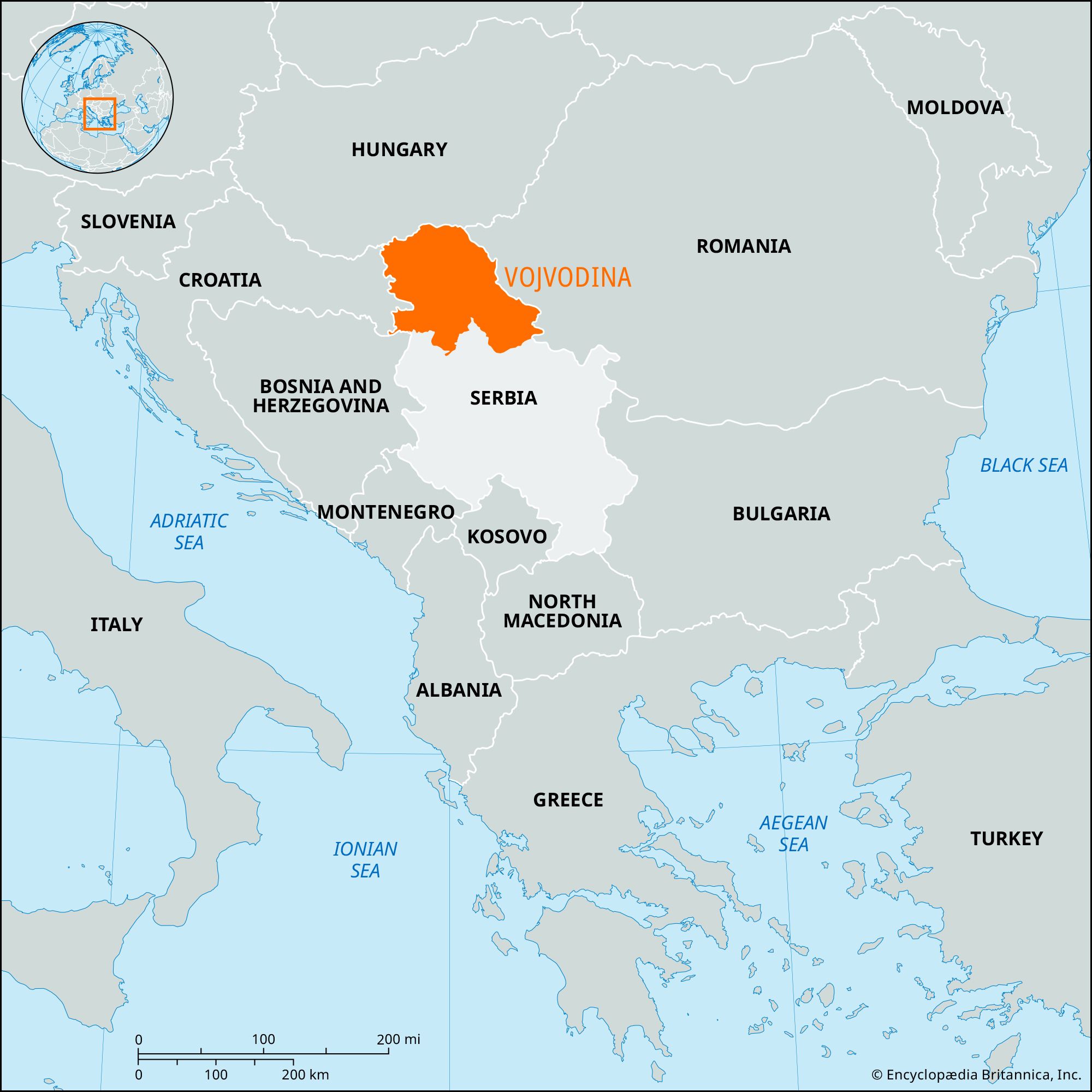
Vojvodina is an autonomous province in Serbia, located in the northernmost part of the country. It shares borders with Croatia to the west, Hungary to the north, and Romania to the east. Vojvodina is composed of the historical regions of Bačka, Banat, and Srem.
Fine soils make Vojvodina the agricultural center of Serbia, producing much of the country’s wheat and corn. The province has a well-developed system of roads and railways, as well as a network of canals and navigable waterways. Novi Sad is its administrative center.
2 Britannica SourcesCreated from Britannica articles using AI. AI can make mistakes, so verify using Britannica articles. -
Where is Vojvodina located within Serbia?
Vojvodina is the northernmost part of Serbia, bordered by Croatia to the west, Hungary to the north, and Romania to the east. The border with Serbia proper is to the south. It generally follows the Sava River west of Belgrade and is formed by the Danube east of the city. Vojvodina includes the historic regions of Bačka, between the Danube and Tisa rivers and the Hungarian border; Banat, to the east of Bačka; and Srem (Srijem), to the south. Nominal autonomous status was restored to Vojvodina in 2002.
2 Britannica SourcesCreated from Britannica articles using AI. AI can make mistakes, so verify using Britannica articles. -
What does it mean that Vojvodina is an autonomous province?
Being an autonomous province means Vojvodina has a degree of self-governance within Serbia. Vojvodina is the northernmost part of Serbia, and it is a region with a diverse mix of ethnic groups.
Here’s what that status generally entails:
- Historical Context Vojvodina was granted autonomous status in 1945, which was then reinstated in 2002.
- Self-Governance An autonomous province has some level of control over its own affairs. However, Serbia reasserted direct control over Vojvodina in 1989, but nominal autonomous status was restored in 2002.
- Representation Vojvodina has its own government and assembly, which can pass laws and make decisions on certain issues.
- Economic Significance Vojvodina is the agricultural heartland of Serbia, with well-developed infrastructure and communications.
2 Britannica SourcesCreated from Britannica articles using AI. AI can make mistakes, so verify using Britannica articles. -
What kinds of people and cultures live in Vojvodina?
Vojvodina, located in northern Serbia, is a diverse autonomous province characterized by a rich mix of cultures and ethnicities.
More than half of the province's population is Serbian, but there is also a significant Hungarian minority. Smaller populations of other ethnic groups also reside there.
Slavic farmers settled the region in the 6th and 7th centuries, followed by Hungarian nomads in the 9th and 10th centuries. From the early 16th to the late 18th century, the Ottoman Turks ruled the area, during which time many Serbs migrated to Vojvodina from Ottoman-controlled Serbia. Later, as the region became part of the Austrian Habsburg empire in the 18th century, Hungarians, Germans, and Romanians migrated there.
3 Britannica SourcesCreated from Britannica articles using AI. AI can make mistakes, so verify using Britannica articles. -
What languages are commonly spoken in Vojvodina?
Vojvodina is an autonomous province in Serbia with a diverse linguistic landscape. The population is more than half Serbian, with a large minority of Hungarians and smaller numbers of other ethnic groups.
Given the region's history and ethnic diversity, languages such as Serbian, Hungarian, Bosnian, Croatian, and Romani are all spoken in Vojvodina.
4 Britannica SourcesCreated from Britannica articles using AI. AI can make mistakes, so verify using Britannica articles. -
How does Vojvodina's autonomy affect its government and daily life compared to the rest of Serbia?
Vojvodina is an autonomous province within Serbia, a status that affects its governance and daily life. In 1968, Vojvodina, along with Kosovo, was placed under federal authority, but Serbia reasserted control in 1989, leading to tensions.
Nominal autonomous status was restored to Vojvodina in 2002, but some groups continue to seek greater self-rule. The province has its own government, including a parliament and executive council, with authority over areas like culture, education, and healthcare. However, Serbia maintains control over defense, foreign policy, and other key areas. This arrangement results in a unique blend of regional autonomy and central control, impacting policy implementation and the daily lives of Vojvodina's residents compared to other regions of Serbia.
2 Britannica SourcesCreated from Britannica articles using AI. AI can make mistakes, so verify using Britannica articles.
Vojvodina, autonomous province in Serbia. It is the northernmost part of Serbia, bordered by Croatia to the west, Hungary to the north, and Romania to the east. Vojvodina includes the historic regions of Bačka, between the Danube and Tisa rivers and the Hungarian border; Banat, to the east of Bačka; and Srem (Srijem), to the south. The border with Serbia proper to the south generally follows the Sava River west of Belgrade and is formed by the Danube east of the city. For the most part, the province consists of an extensive plain that is part of the Pannonian Basin. Area 8,304 square miles (21,506 square km). Pop. (2002) 2,031,992; (2011) 1,931,809.
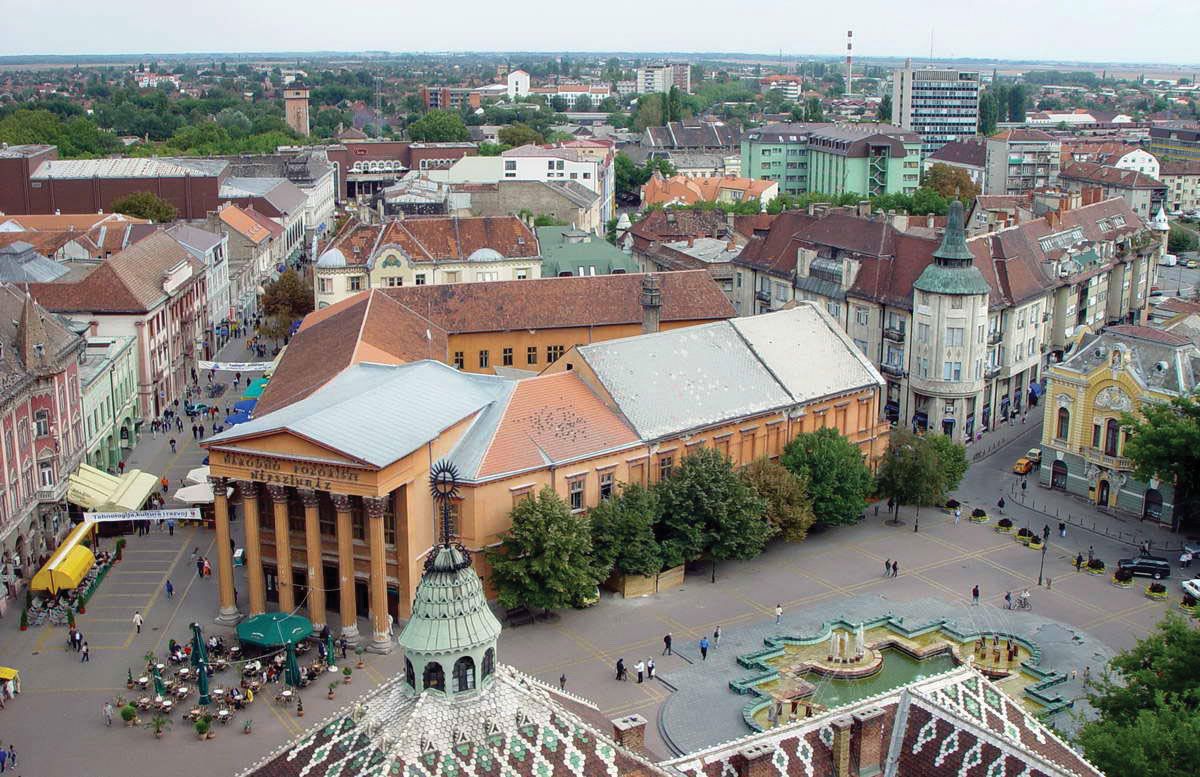
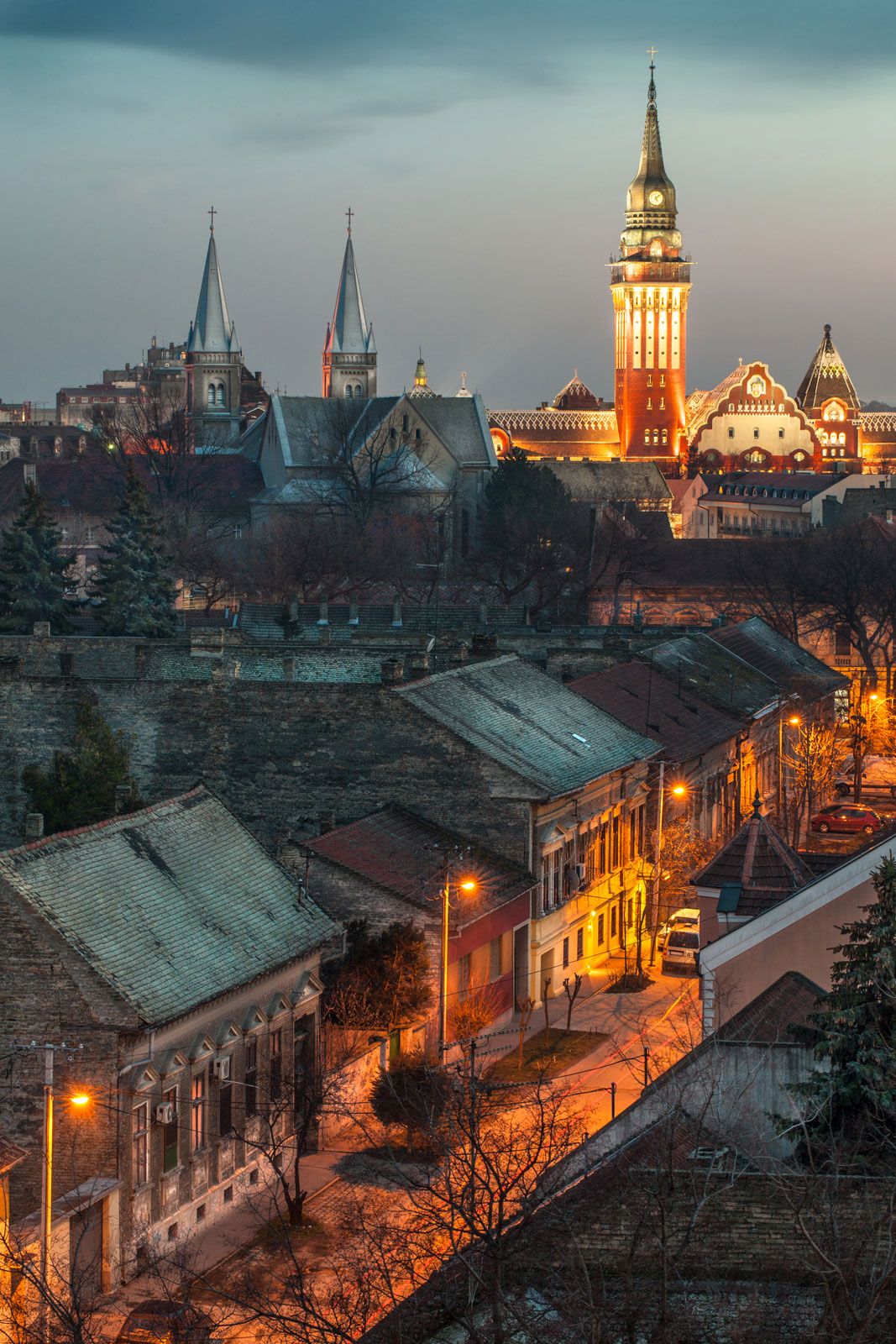
Fine chernozem soils make Vojvodina the agricultural heart of Serbia, and the region supplies much of the country’s wheat and corn (maize). Many cash crops are also grown there—notably sugar beets and oilseeds—which are processed by regional enterprises. Livestock raising and petroleum and natural gas extraction near Vršac and Kikinda in the west are also important, and at Pančevo, in the south, there is a heavy industrial complex. Vojvodina has a well-developed system of roads and railways, as well as an extensive network of canals and navigable waterways. The principal towns are Novi Sad (the administrative centre), Subotica, and Zrenjanin. The province’s population is more than half Serbian, with a large minority of Hungarians and smaller numbers of other ethnic groups.
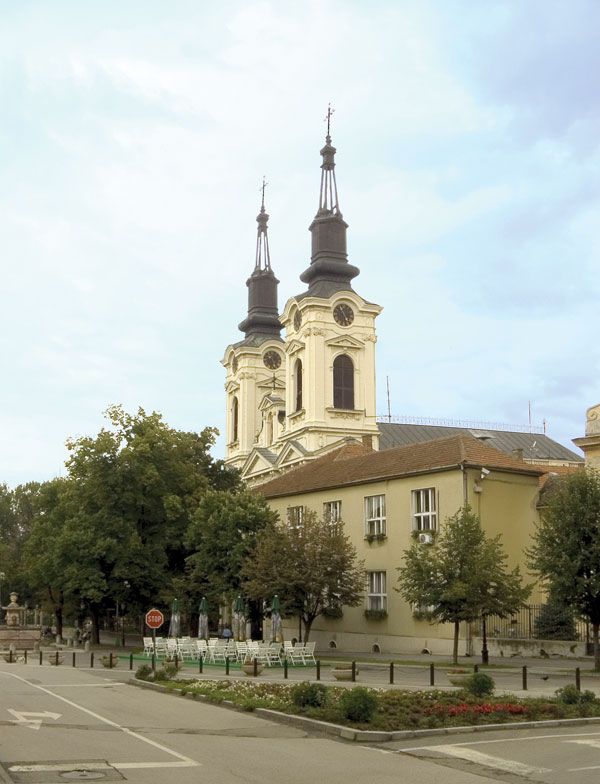
Slav farmers first settled in Vojvodina in the 6th and 7th centuries, and Hungarian (Magyar) nomads arrived there in the 9th and 10th. The Ottoman Turks controlled the region from the early 16th to the late 18th century. During that time many Serbs emigrated to Vojvodina from Serbia proper, which was under Ottoman rule. The town of Sremski Karlovci became an important centre of Serbian Orthodox culture, especially after the abolition of the patriarchate at Peć (Kosovo) in 1766. With the region’s incorporation into the Austrian Habsburg empire later in the 18th century, large numbers of Hungarians, Germans, and Romanians also migrated to the area.



The immigrant population was given grants of land and awarded privileges that included the right to elect their own leader, or vojvod; in return, the immigrants provided military service, defending the empire against the Turks. This region, called the Military Frontier, underwent a succession of changes in its political status during the 19th century. It was initially attached directly to the Austrian crown, but, following the defeat of an uprising by Hungarian nationalists in 1848, portions of Bačka, Banat, and Srem were united with it, under direct Viennese control, and given the title Vojvodina. The civil and military regions were again separated in 1867–68: the Military Frontier remained attached to Austria, and the other segments reverted to the Hungarian crown. This section of the Military Frontier was abolished in 1873, and it, too, reverted to Hungarian control, although the name Vojvodina continued in general use.
In 1918 Vojvodina was incorporated into the Kingdom of Serbs, Croats, and Slovenes, which was renamed Yugoslavia in 1929. An area of eastern Srem (the Fruška Gora [hills]) was attached to Vojvodina in 1931, which greatly increased the Serbian population in the region. In 1945, after a wartime Axis occupation that had split up Yugoslavia, Vojvodina was reincorporated into the new socialist Yugoslav federation as an autonomous province of the Serbian republic. The process of regionalization in Yugoslavia had by 1974 made Vojvodina a virtual republic in its own right. Serbian nationalists resented Vojvodina’s independence, and Serbia reasserted direct control over it in 1989. It remained a province in the new Yugoslav republic established in 1992.
The ethnic makeup of Vojvodina was altered considerably by the warfare in the Balkan region that followed the breakup of the Yugoslav federation. An increasingly hostile atmosphere of Serbian nationalism prompted many from the province’s ethnic minorities to leave for neighbouring countries, reducing in particular the important Hungarian community. They were replaced by ethnic Serbs who came as refugees from Croatia, Bosnia and Herzegovina, and the Serbian province of Kosovo. In 1999 Vojvodina became the target of many attacks during the North Atlantic Treaty Organization’s massive aerial bombing campaign of Yugoslavia, because the province was the location of many of the country’s petroleum storage and refining facilities. Bridges over the Sava and Danube were specially targeted. The bombing destroyed much of the province’s infrastructure and communications.
Nominal autonomous status was restored to Vojvodina in 2002. In 2003 Yugoslavia’s name was changed to Serbia and Montenegro, and in 2006 the two constituent republics separated. Vojvodina remained within Serbia’s borders. Though the province maintained its nominal autonomy, some local groups continued to call for a more extensive form of self-rule.
The trusted destination for professionals, college students, and lifelong learners.
SUBSCRIBE

