Uganda railway
Quick Summary
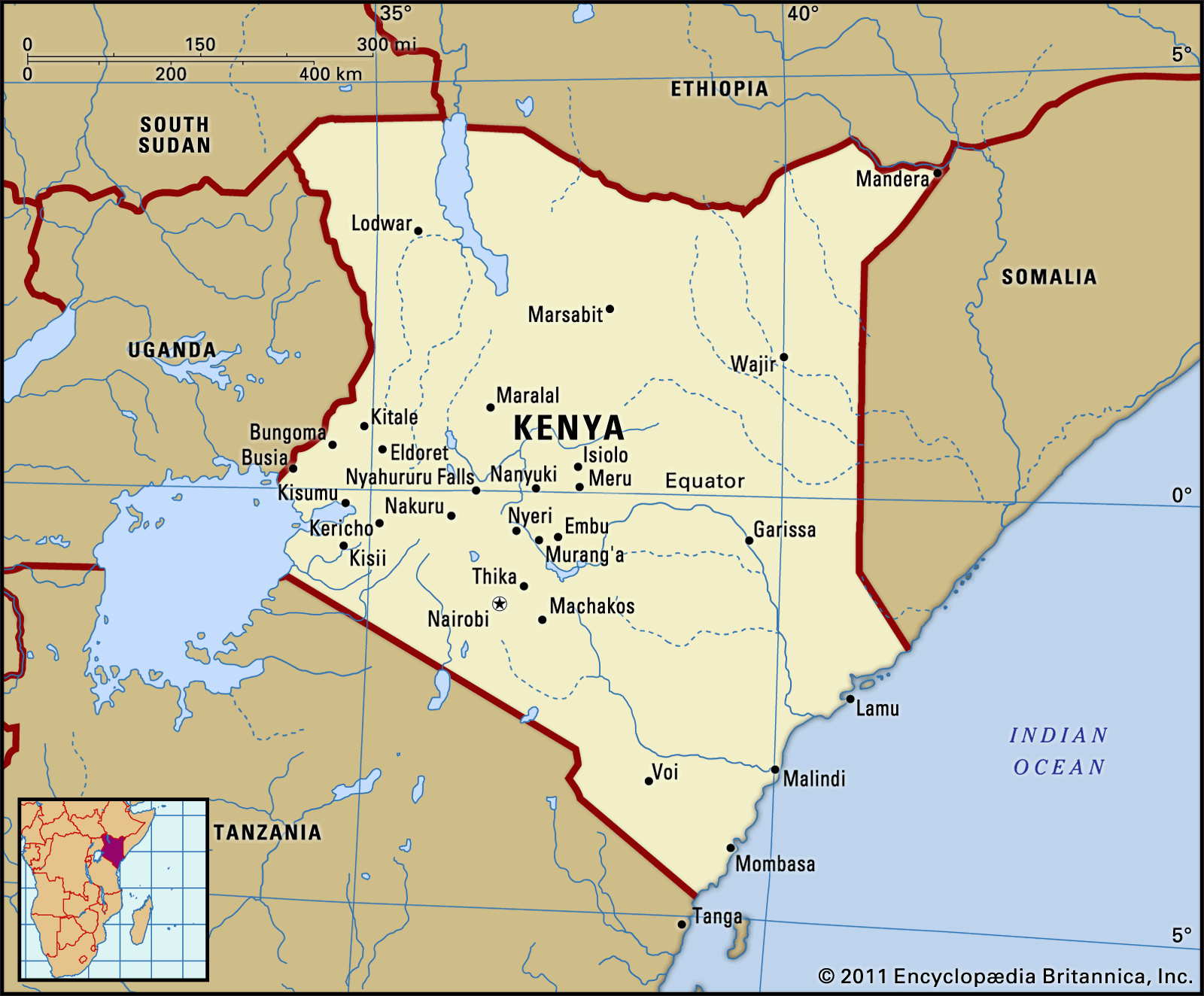
The Uganda Railway, also known as the "Lunatic Express," was a railway built by the British in the late 19th and early 20th centuries. It was intended to connect the coast of Kenya with Uganda, facilitating trade and British control in the region. The railway's construction was a monumental undertaking, facing numerous challenges, including difficult terrain, disease, and labor shortages.12
The railway played a crucial role in the development of East Africa. It opened up the interior of the continent to trade and settlement, and it was instrumental in the British colonization of Uganda. The railway also had a significant impact on the local populations, both positive and negative. While it brought economic opportunities, it also led to displacement and exploitation.12
By the 1920s and 1930s, the railway had been extended to various parts of Uganda, including Kampala and Jinja, further integrating the region into the colonial economy. Today, while rail travel is less frequently used by the public, the railway remains a significant historical landmark and a testament to the engineering and logistical achievements of the era.123
Ask Britannica AI about this topic
Britannica doesn't have a full article on this topic, so we've curated a list of our relevant coverage.