


Samaria
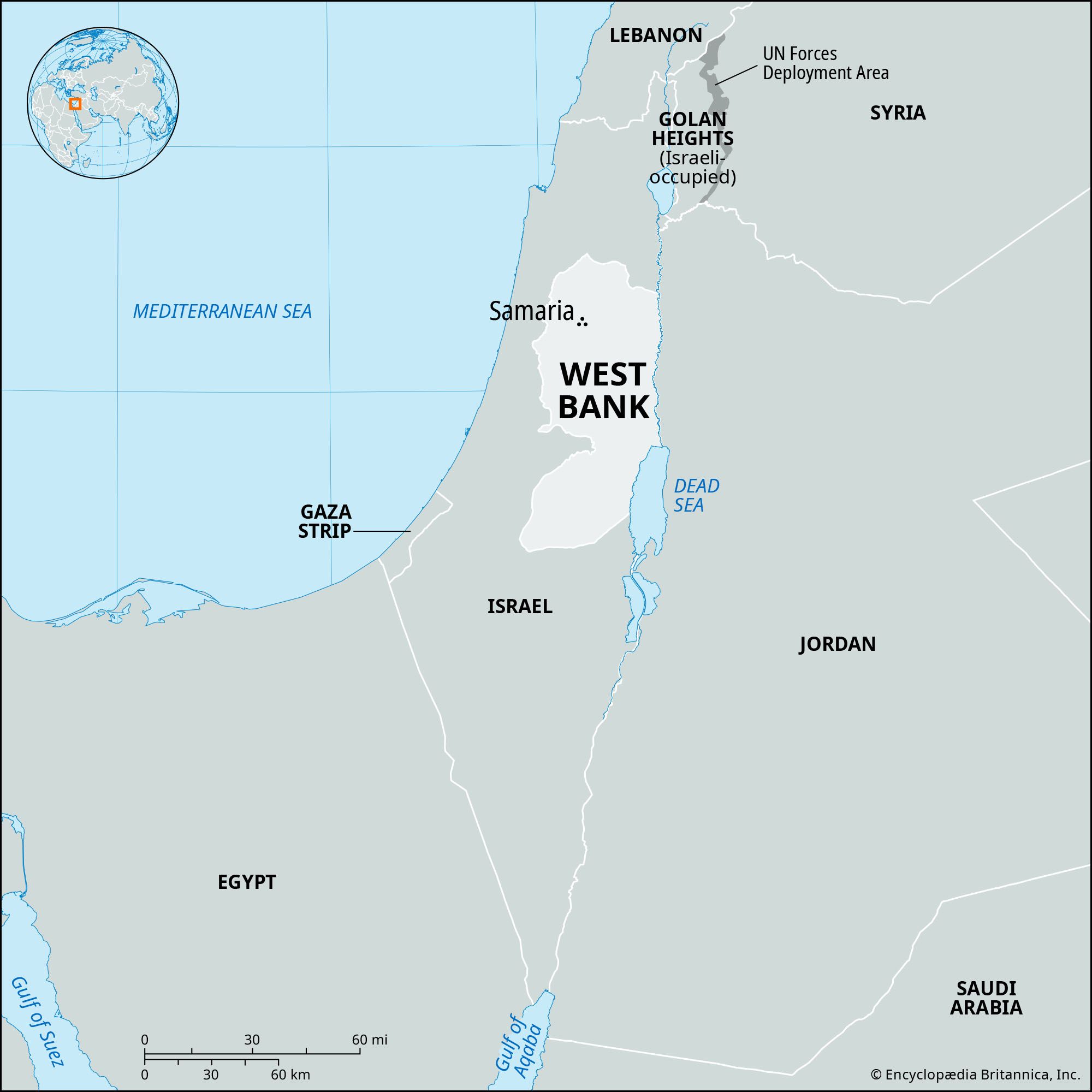
Samaria, ancient town in central Palestine that was the capital of ancient Israel. It is located adjacent the modern village of Sebastia on a hill northwest of Nablus in the West Bank territory under Israeli administration since the Six-Day War (1967). Excavations (1908–10; 1931–33; 1935) revealed that the site had been cultivated already by the late 4th millennium bce. The city was founded about 880/879 bce, when Omri made it the new capital of the northern kingdom of Israel and named it Samaria. It remained the capital until it was taken by the Assyrians in 722.
Some of the most important remains of the Israelite period include a valuable collection of ivory carvings, which were probably from the palace of King Ahab (c. 874–c. 853 bce), and a series of ostraca (pottery or limestone inscription fragments) from the time of King Jeroboam II (8th century bce).
During the Roman period, Samaria was greatly enlarged by Herod the Great (37–4 bce), who renamed the city Sebaste in honor of the Roman emperor Augustus (Greek: Sebastos). Herod’s city included an impressive temple to Augustus, strong fortifications, and many features of Hellenistic cities. Later St. John the Baptist (d. 36 ce) was said to be buried there; a mosque complex now encapsulates his tomb.
Sebastia is a variant of Sebaste in Greek and was adopted by the Arabs as the name of the town. In 2026 Sebastia was inscribed as a UNESCO World Heritage site.


