Pagan kingdom
Quick Summary
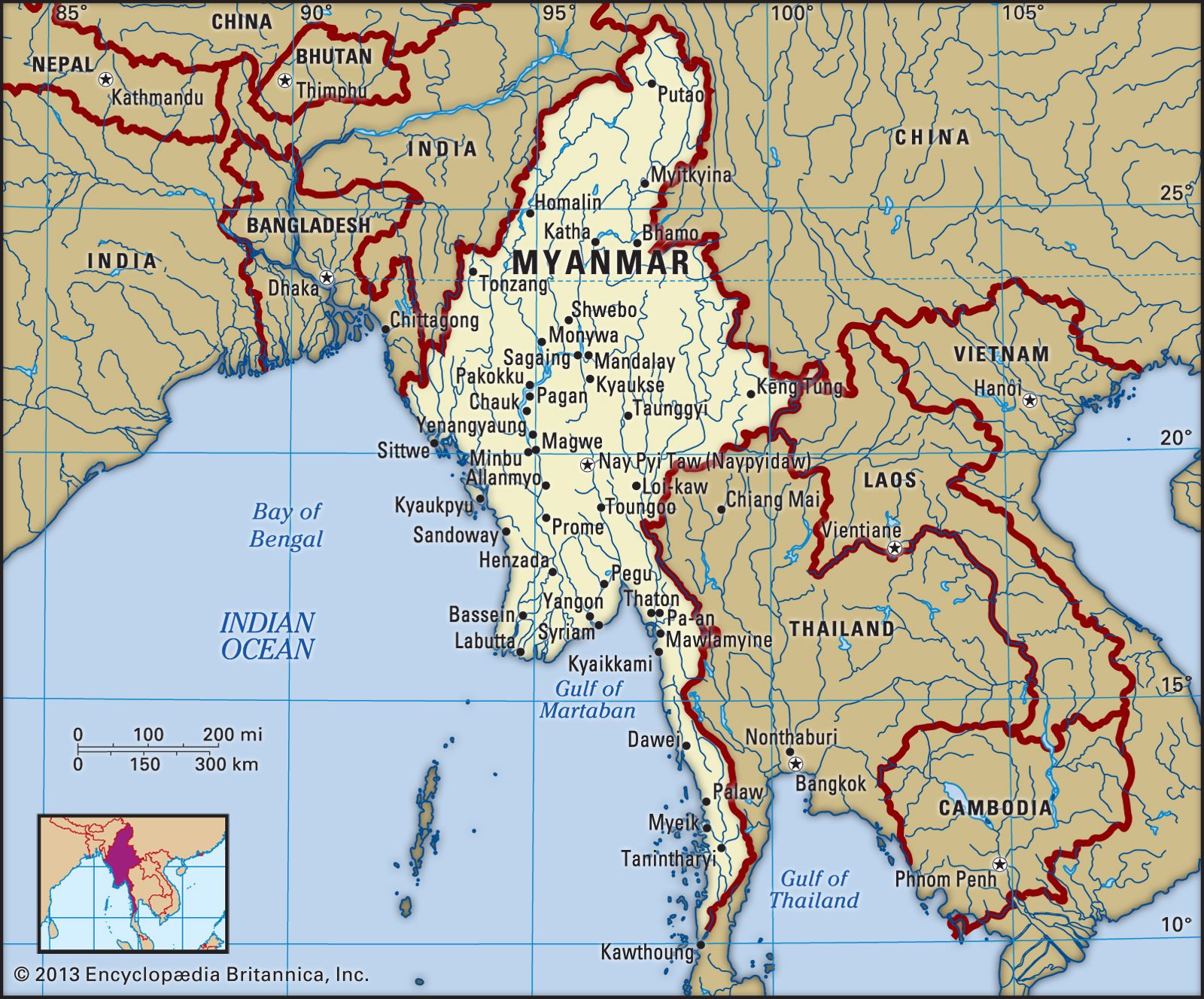
The kingdom of Pagan, established in 849 CE, was a pivotal kingdom in what is now Myanmar. Centered at Pagan on the Irrawaddy River, it unified the region and initiated Burman dominance. King Anawrahta, who ascended the throne in 1044, was instrumental in this unification. He strengthened defenses, formed alliances, and harnessed economic resources. Anawrahta also championed Theravada Buddhism, using it to justify his conquest of southern Myanmar, including the Mon city of Thaton in 1057.12
By the mid-11th century, the core of modern Myanmar was united under Pagan. The kingdom became a center of Theravada learning, with significant cultural and artistic achievements, including the construction of thousands of temples and monasteries. The conquest of the Mon kingdom brought skilled artisans to Pagan, contributing to its prosperity and cultural richness. Despite its splendor, Pagan's resources were eventually depleted by extensive donations to the monkhood. By the late 13th century, weakened by internal factors and the rise of the Mongols, Pagan ceased to be the center of power in Myanmar.3412
Ask Britannica AI about this topic
Britannica doesn't have a full article on this topic, so we've curated a list of our relevant coverage.