
Britannica
Sources used in this answer
How did German unification affect manufacturing jobs in Saxony?
Created from Britannica articles
using AI.
AI can make mistakes, so verify using Britannica articles.
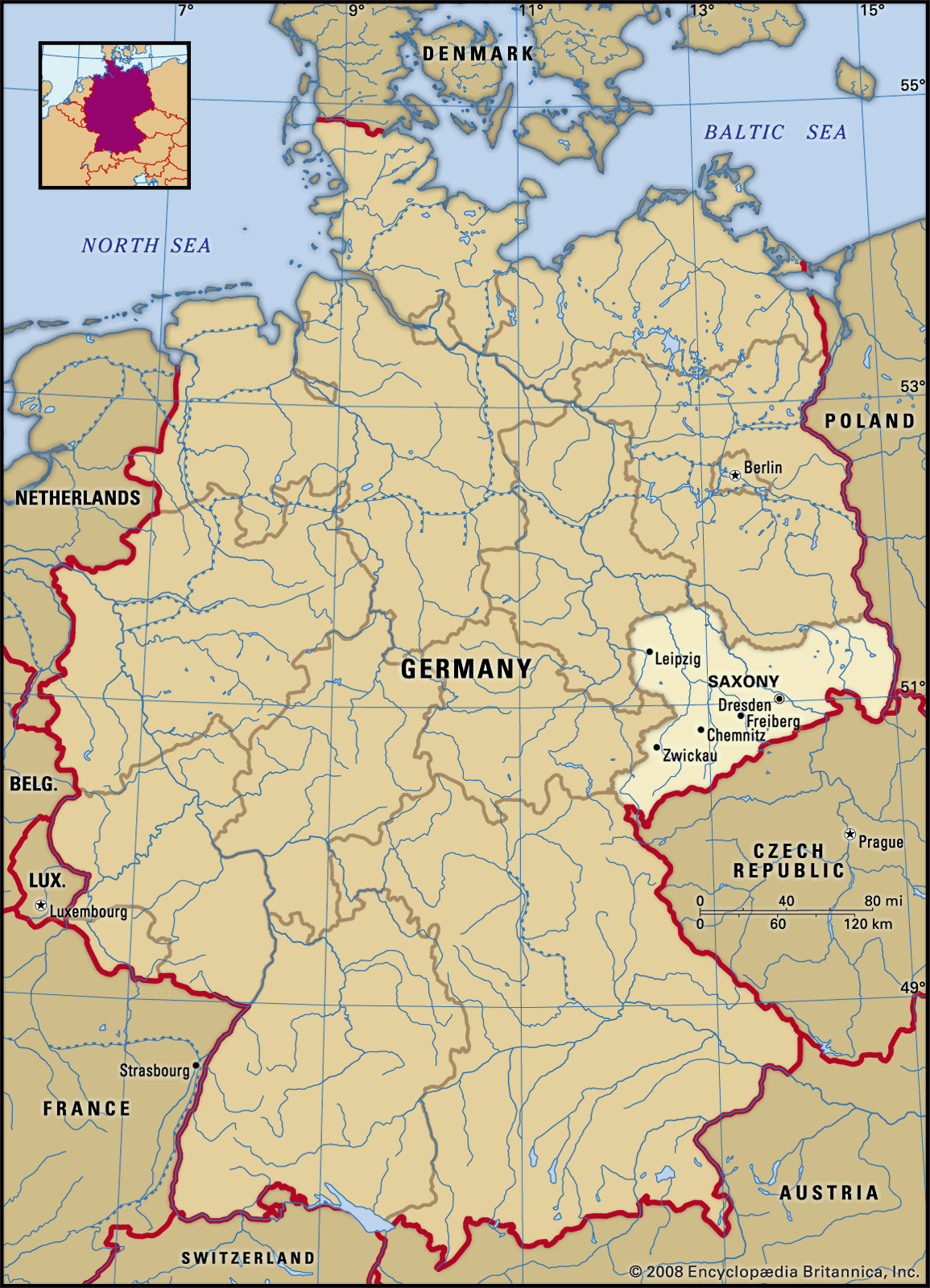
German unification in 1990 brought profound and often painful changes to the manufacturing sector in Saxony. The transition from a state-controlled economy to a free market revealed that many eastern German industrial plants were technologically outdated and unable to compete, leading to severe cutbacks and widespread job losses.123
Key impacts on manufacturing jobs included:
- Drastic Employment Declines: The industrial sector suffered significant contraction, with employment in traditional areas like textile production falling by approximately 90 percent. Mining and employment in the lignite sector were also dramatically reduced.13
- Economic Restructuring: The sudden introduction of the deutsche mark and the immediate pressure to compete in a market economy caused many state-run enterprises to collapse. While some sectors, such as microelectronics in Dresden, experienced growth, unemployment in the state remained significant from the mid-1990s onward.2413
- Social Hardship: The wholesale shutdown of factories resulted in vast unemployment, contributing to long-term economic discontent and a "brain drain" as many workers migrated to western regions in search of better opportunities.24