
Exmouth Gulf
Exmouth Gulf, inlet of the Indian Ocean in Western Australia, between North West Cape and the mainland. It is 55 miles (90 km) long north to south and 30 miles across the mouth and has a maximum depth of 72 feet (22 metres).
The west coast was charted by the Dutch navigator Abel Janszoon Tasman in 1644. The gulf was named for Admiral Sir Edward Pellew of the Royal Navy, Viscount Exmouth,by Lieutenant Phillip Parker King, who surveyed the coast in 1818 in HMS Mermaid. The town of Exmouth was established in the early 1960s as a residential and service centre for a U.S. naval communications station that opened in 1967 at North West Cape. It became a joint U.S.-Australian facility in 1972. Both the town and the station were severely damaged by a cyclone in 1999. The U.S. Navy vacated the station in 2002, and the facility subsequently became privately managed under the supervision of the Australian navy.
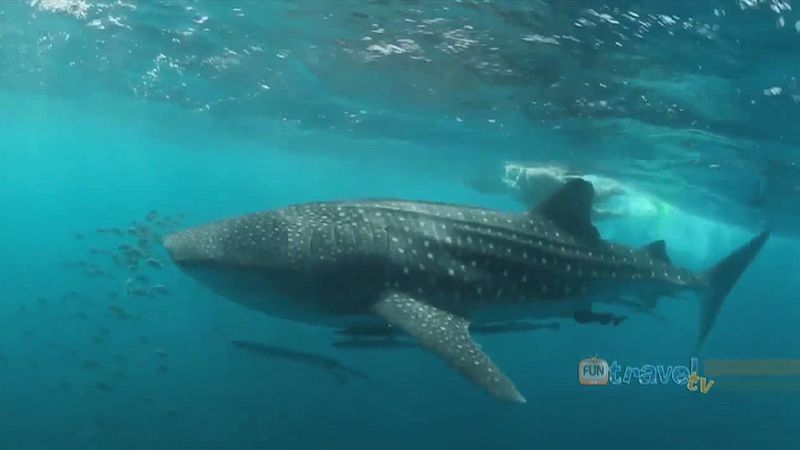
Fishing, pearling, prawning, and tourism are the main local industries, and drilling for oil has taken place in the region. Nearby Cape Range National Park is important for the conservation of the threatened black-footed rock wallaby. Pop. (2006) Exmouth urban centre, 1,844; (2011) Exmouth urban centre, 2,207.