
Quick Facts
Also called:
Bute
Related Topics:
chapel
Related Places:
Scotland
Britannica AI Icon
Adding us as a Preferred Source tells Google you trust our content, so our articles show up more often in your Google Search, Discover feed, and AI Overviews.
verifiedCite
While every effort has been made to follow citation style rules, there may be some discrepancies. Please refer to the appropriate style manual or other sources if you have any questions.
Select Citation Style
Feedback
Corrections? Updates? Omissions? Let us know if you have suggestions to improve this article (requires login).
Thank you for your feedback

Our editors will review what you’ve submitted and determine whether to revise the article.

Buteshire

former county, Scotland, United Kingdom
Also known as: Bute

Buteshire, historic county in western Scotland that includes Bute, Arran, the Cumbraes, Holy, Pladda, and Inchmarnock islands, all lying in the Firth of Clyde. Bute and Inchmarnock lie within Argyll and Bute council area, while Arran, the Cumbraes, Holy Island, and Pladda form part of North Ayrshire council area.

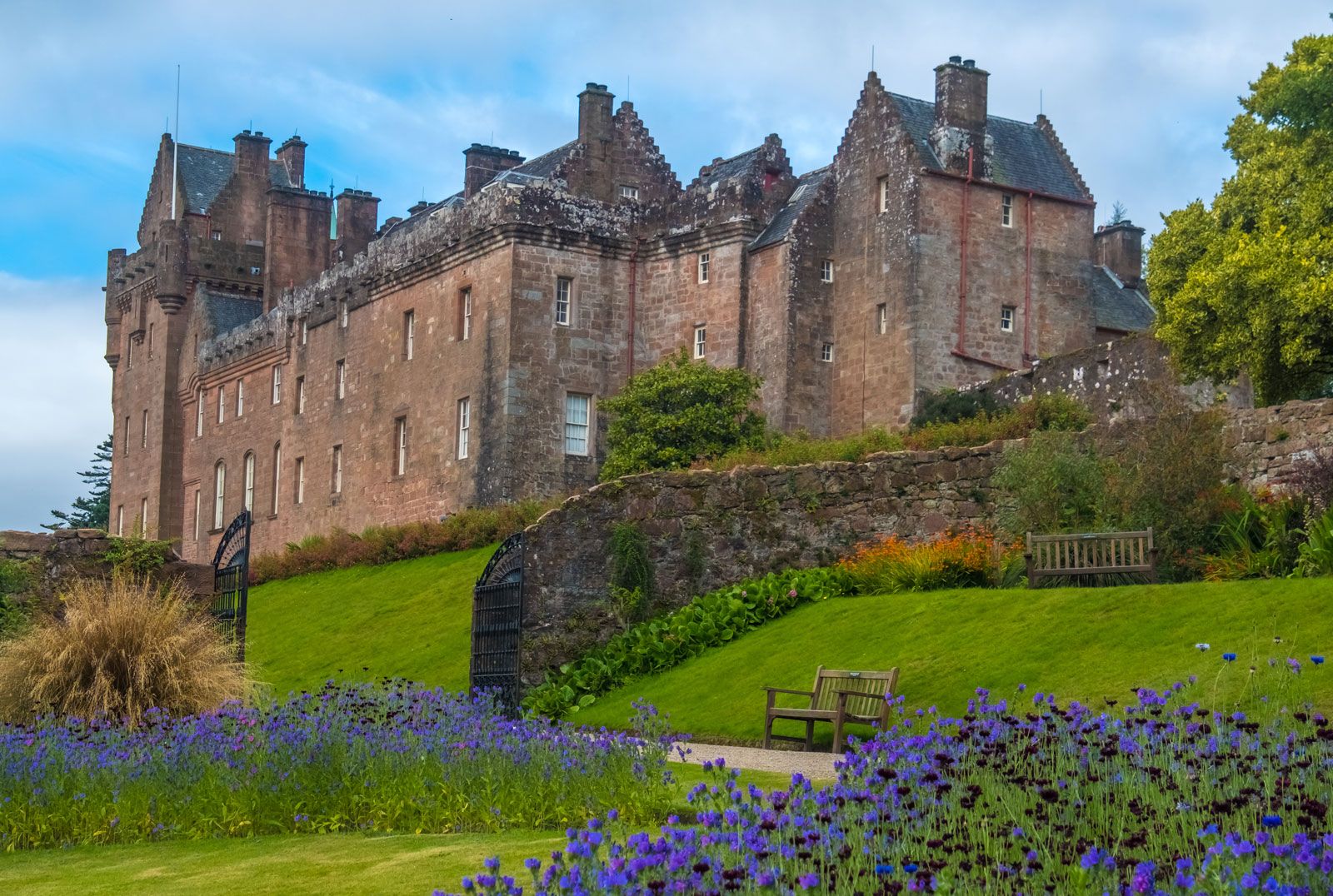
Excavations in the islands have revealed evidence of human habitation from the Neolithic Period (New Stone Age), and at Dunagoil, Bute, there is a fine vitrified fort of the Iron Age. There are remains of numerous chapels of the early Christian period. Rothesay Castle, on Bute, which goes back to Viking times and was used as a royal residence by Robert II and Robert III of Scotland, was burned down in 1685 and is now an ancient monument, as is Lochranza Castle on Arran. Brodick Castle, where Robert I lived for a time before the Battle of Bannockburn (1314), is administered by the National Trust for Scotland.


The Editors of Encyclopaedia Britannica This article was most recently revised and updated by Chelsey Parrott-Sheffer.
Discover the fascinating events that shaped the world, straight from our editors.
By clicking “Sign Up”, you consent to the Britannica Privacy Policy and Terms of Use.
