

- Original name:
- Beruk Barak
- Born:
- 1824?, Brushy Creek [near what is now Croydon, Victoria, Australia]
- Died:
- August 15, 1903, Coranderrk Aboriginal Station, near Melbourne, Victoria, Australia

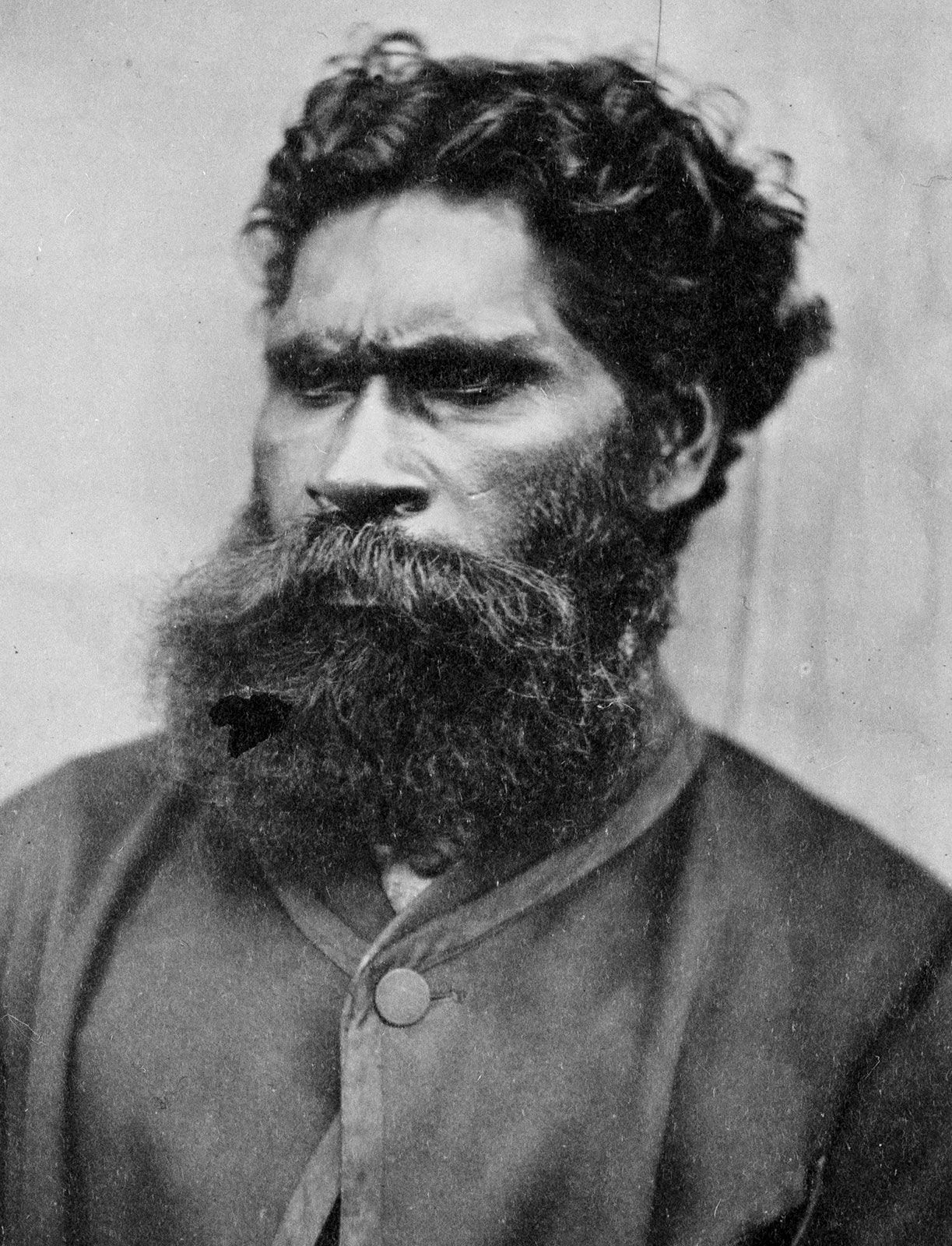
William Barak
-
Who was William Barak?
William Barak (c. 1824–1903) was an Australian Aboriginal leader, activist, and artist, and the last ngurungaeta (traditional leader) of the Wurunderjeri clan. As a boy, he witnessed the signing of a treaty between Wurunderjeri elders and John Batman, a pioneer settler, which he later said inspired his efforts to protect his ancestral lands.
Barak received a limited formal education and later joined the Port Phillip Native Police Force in 1844, remaining a member until the force disbanded in 1853. With Simon Wonga, he helped establish the Coranderrk Aboriginal Station in 1863, which became a successful farming community. After Wonga's death in 1874, Barak became ngurungaeta and fought to keep Coranderrk intact, negotiating with settlers and officials. During his time at Coranderrk, Barak created paintings and drawings depicting his life and culture. His artworks are now displayed in Australian galleries.
1 Britannica SourceCreated from Britannica articles using AI. AI can make mistakes, so verify using Britannica articles. -
Which Indigenous group did William Barak belong to?
William Barak (1824?–1903) was the last traditional leader of the Wurunderjeri clan, one of four clans within the Woiwurrung language group, which is part of the larger Kulin Nation. His people were the first inhabitants of the Yarra River valley, now part of Melbourne, Australia. Barak witnessed the immense impact of European settlement on the Wurunderjeri, including their dislocation from traditional lands. He worked to secure and protect his ancestral lands, partnering with Simon Wonga to establish the Coranderrk Aboriginal Station in 1863, which became a successful farming community. In addition to being a leader and activist, Barak was also an artist who told the story of his life and culture through paintings and drawings.
1 Britannica SourceCreated from Britannica articles using AI. AI can make mistakes, so verify using Britannica articles. -
What types of leadership roles did William Barak hold in his community?
William Barak was the last ngurungaeta (traditional leader) of the Wurunderjeri clan. After the death of Simon Wonga in 1874, Barak took over as ngurungaeta. In this role, he negotiated with settlers and government officials to keep the Coranderrk reserve intact, earning a reputation as a skilled diplomat. Together with Wonga, Barak helped to establish the Coranderrk Aboriginal Station on June 30, 1863.
1 Britannica SourceCreated from Britannica articles using AI. AI can make mistakes, so verify using Britannica articles. -
How did William Barak work to protect the rights of his people?
William Barak, the last traditional leader of the Wurunderjeri clan, strived to protect his people's rights by securing their ancestral lands amidst European settlement. He witnessed the detrimental effects of colonial expansion on the Wurunderjeri, including displacement and diminishing food supplies.
Barak, along with Simon Wonga, established the Coranderrk Aboriginal Station in 1863, which became a successful farming community. When local settlers sought to seize the farmland, Barak negotiated with them and government officials to protect the land, earning a reputation as a skilled diplomat. His efforts ensured Coranderrk remained intact, preserving his people's connection to their culture and land.
1 Britannica SourceCreated from Britannica articles using AI. AI can make mistakes, so verify using Britannica articles. -
What are some artistic or cultural contributions William Barak made?
William Barak, an Australian Aboriginal leader, activist, and the last ngurungaeta of the Wurunderjeri clan, made significant artistic and cultural contributions. During his time at Coranderrk, he created unique paintings and drawings that narrated his life and culture. His artworks became highly prized and are now displayed in Australian galleries, such as the National Gallery of Australia, the Ballarat Fine Art Gallery, and the Koorie Heritage Trust.
1 Britannica SourceCreated from Britannica articles using AI. AI can make mistakes, so verify using Britannica articles. -
Why is William Barak remembered as an important figure in Australian history?
William Barak (1824?–1903) was a significant figure in Australian history as an Aboriginal leader, activist, and artist. As the last ngurungaeta (traditional leader) of the Wurunderjeri clan, he witnessed the impact of European settlement on his people and dedicated his life to protecting their ancestral lands.
Barak, along with Simon Wonga, established the Coranderrk Aboriginal Station in 1863, which became a successful farming community. When officials threatened to close the reserve, Barak negotiated with settlers and government officials to keep it intact. In addition to his leadership, Barak's paintings and drawings depicting his life and culture have become highly prized and are displayed in Australian galleries.
1 Britannica SourceCreated from Britannica articles using AI. AI can make mistakes, so verify using Britannica articles.
William Barak (born 1824?, Brushy Creek [near what is now Croydon, Victoria, Australia]—died August 15, 1903, Coranderrk Aboriginal Station, near Melbourne, Victoria, Australia) was an Australian Aboriginal leader, activist, and artist who was the last ngurungaeta (traditional leader) of the Wurunderjeri clan. He later became a noted artist of Indigenous life.
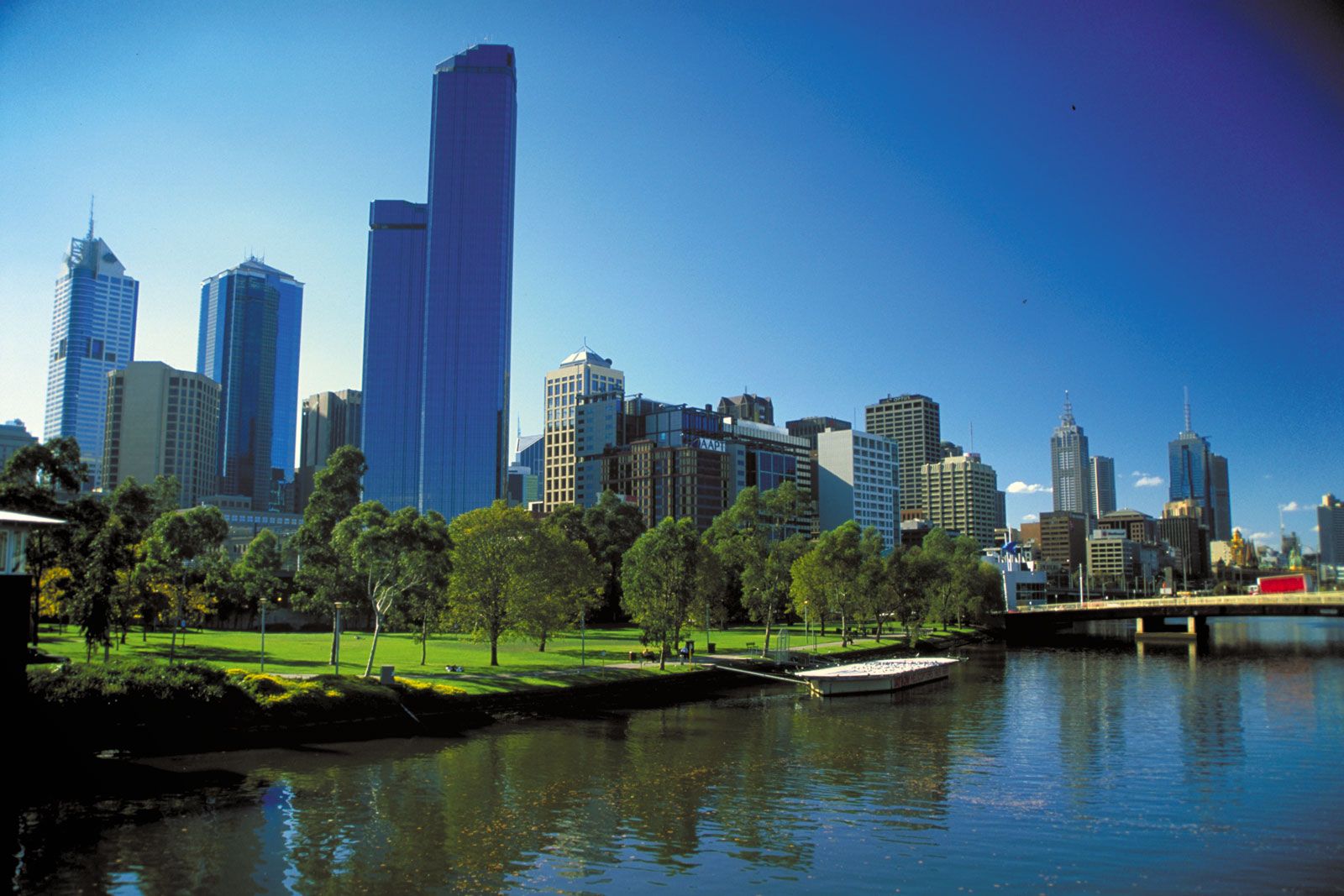
Barak’s people, the Wurunderjeri, were the first inhabitants of the Yarra River valley (the Wurunderjeri called the river Birrarung), which is now part of Melbourne, Victoria. Barak was the son of Bebejan, a ngurungaeta of the clan. The Wurunderjeri are one of four clans who make up the Woiwurrung language group. The Woiwurrung, in turn, are part of the larger Kulin Nation. Barak’s mother, Tooterie, came from the Ngooraialum clan of central Victoria.
As a boy, Barak witnessed the signing of an infamous agreement between Wurunderjeri elders and John Batman, a pioneer settler. By the terms of the 1835 treaty, Batman was to “purchase” 500,000 acres (200,000 hectares) of land in the Port Phillip area from the Wurunderjeri. The price was 40 blankets, 30 axes, 100 knives, 50 scissors, 30 mirrors, 200 handkerchiefs, 100 pounds of flour, and 6 shirts. Among the elders who signed Batman’s Treaty was Billibellary, Barak’s uncle, who was another influential ngurungaeta. The treaty was based on the European notion of land ownership, a concept that the Aboriginal peoples did not understand. To them, land could not be bought or sold. Although the British colonial government declared the treaty invalid, it set the tone for the treatment of Aboriginal people in the years that followed.




European settlement had an immense impact on the well-being and culture of the Wurunderjeri clan. Barak saw the dislocation of his people from their traditional lands as the settler population grew. The expansion of colonial farms made it increasingly difficult for the Wurunderjeri to find food. Diminishing food supplies and the introduction of foreign diseases by the colonists caused many deaths among Aboriginal people. This experience inspired Barak’s later efforts to secure and protect his ancestral lands.
Barak’s formal education was limited to two years (1837–39) in the government’s Yarra Mission School. In 1844 he joined the Port Phillip Native Police Force, a unit of Aboriginal troopers under the command of a European officer. The establishment of the force was an attempt to “civilize” the Aboriginal members. It was hoped they would give up their traditional lifestyle and, in turn, pass these new ways on to their families and friends. It was during his time as a trooper, at age 19, that Barak changed his first name to William. He remained a member of the Native Police Force until it was disbanded in 1853.
Within a decade of the arrival of Europeans in the Yarra River region, the Aboriginal population had been significantly reduced. Trying to maintain their culture and ties to the land, tribal elders searched for an area to establish as a reserve. In the 1840s Billibellary appealed to the government for a land grant, but his request was denied. When Billibellary died in 1846, his son Simon Wonga became ngurungaeta and assumed responsibility for securing land for his people. After many failed attempts, the Wurunderjeri were finally given a reserve at Badger Creek, near the Yarra River. Wonga partnered with Barak to establish Coranderrk Aboriginal Station on June 30, 1863.
Under the leadership of Wonga and Barak, Coranderrk became a successful farming community. It produced and sold wheat, vegetables, and crafts in the Melbourne area. As Coranderrk prospered, local settlers sought to gain control of the prime farmland. By the mid-1870s officials were threatening to close the reserve and sell off the land. Barak fought to keep Coranderrk, especially after he took over as ngurungaeta following the death of Wonga in 1874. He negotiated with settlers and government officials, earning a reputation as a skilled diplomat. His efforts succeeded in keeping Coranderrk intact.
The trusted destination for professionals, college students, and lifelong learners.
SUBSCRIBE


Barak established a legacy not only as a leader but also as an artist. During his time at Coranderrk, he created unique paintings and drawings that told the story of his life and culture. His artworks later became highly prized, and many are displayed in Australian galleries, including the National Gallery of Australia, the Ballarat Fine Art Gallery, and the Koorie Heritage Trust.
Barak died in 1903 and was buried in the Coranderrk cemetery. In 2005 he was honoured with the construction of the William Barak Bridge, a footbridge in Melbourne. It crosses the Yarra River and connects two major parks, Birrarung Marr and Yarra Park.