

Murata Shukō
Quick Summary
Murata Shukō (c. 1422–1502) was a pivotal figure in the development of the Japanese tea ceremony. A disciple of the Zen master Ikkyū, Shukō is traditionally credited with founding the tea ceremony in Japan. He served as an aesthetic advisor to the shogun Ashikaga Yoshimasa, preparing tea for him in a specially designed tea room.1
Shukō emphasized the spiritual aspects of the ceremony and encouraged the display of Zen calligraphy. He helped standardize the size of the tea room to four and a half tatami mats, a size said to be inspired by the meditation cell of the Buddhist disciple Vimalakirti. Shukō's influence laid the groundwork for later tea masters, such as Sen Rikyū, who further refined the ceremony's aesthetic ideals of simplicity and rusticity.12
Ask Britannica AI about this topic
Britannica doesn't have a full article on this topic, so we've curated a list of our relevant coverage.
 Japanese artThe tea ceremony
…period and were espoused by Murata Shukō (c. 1422–1502), who was a disciple of the Zen master and abbot Ikkyū and is traditionally credited with founding the tea ceremony in Japan. An aesthetic adviser to the shogun Ashikaga Yoshimasa, Shukō prepared tea for his master at the latter’s villa Ginkaku…
Read More…period and were espoused by Murata Shukō (c. 1422–1502), who was a disciple of the Zen master and abbot Ikkyū and is traditionally credited with founding the tea ceremony in Japan. An aesthetic adviser to the shogun Ashikaga Yoshimasa, Shukō prepared tea for his master at the latter’s villa Ginkaku…
Read More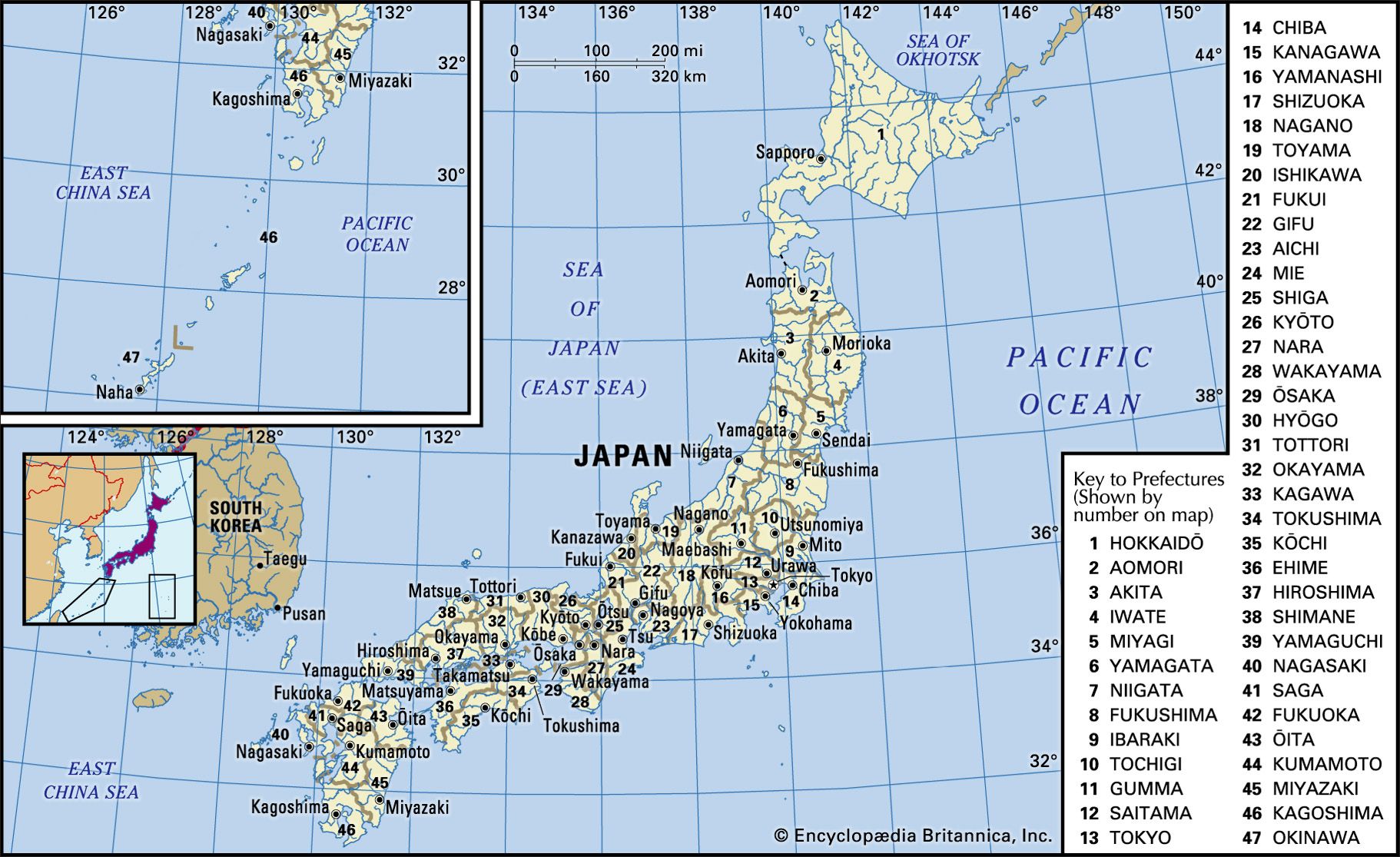 JapanThe establishment of warrior culture
…time of the shogun Yoshimasa, Murata Shukō, a man of merchant background from Nara, began the wabi-cha form of tea ceremony by bringing together the cha-no-yu of the civil aristocracy and the cha-yoriai of the common people. This new form spread among the warriors and great merchants and was further…
Read More…time of the shogun Yoshimasa, Murata Shukō, a man of merchant background from Nara, began the wabi-cha form of tea ceremony by bringing together the cha-no-yu of the civil aristocracy and the cha-yoriai of the common people. This new form spread among the warriors and great merchants and was further…
Read More