

Jippensha Ikku
Quick Summary
Jippensha Ikku was a prominent Japanese author during the late Tokugawa period (c. 1770–1867). He is best known for his humorous fiction, often categorized as gesaku or "playful composition".1
Ikku's most famous work is Tōkai dōchū hizakurige (1802–22), translated as Shank's Mare. This popular comic work follows the misadventures of two Edo residents traveling along the Tōkaidō, the major highway connecting Kyoto and Edo. His writing style, characterized by its humor and use of everyday speech, aimed for a wide audience. Ikku's works reflect the lively urban culture of his time, particularly in Edo (modern Tokyo).12
Ask Britannica AI about this topic
Britannica doesn't have a full article on this topic, so we've curated a list of our relevant coverage.
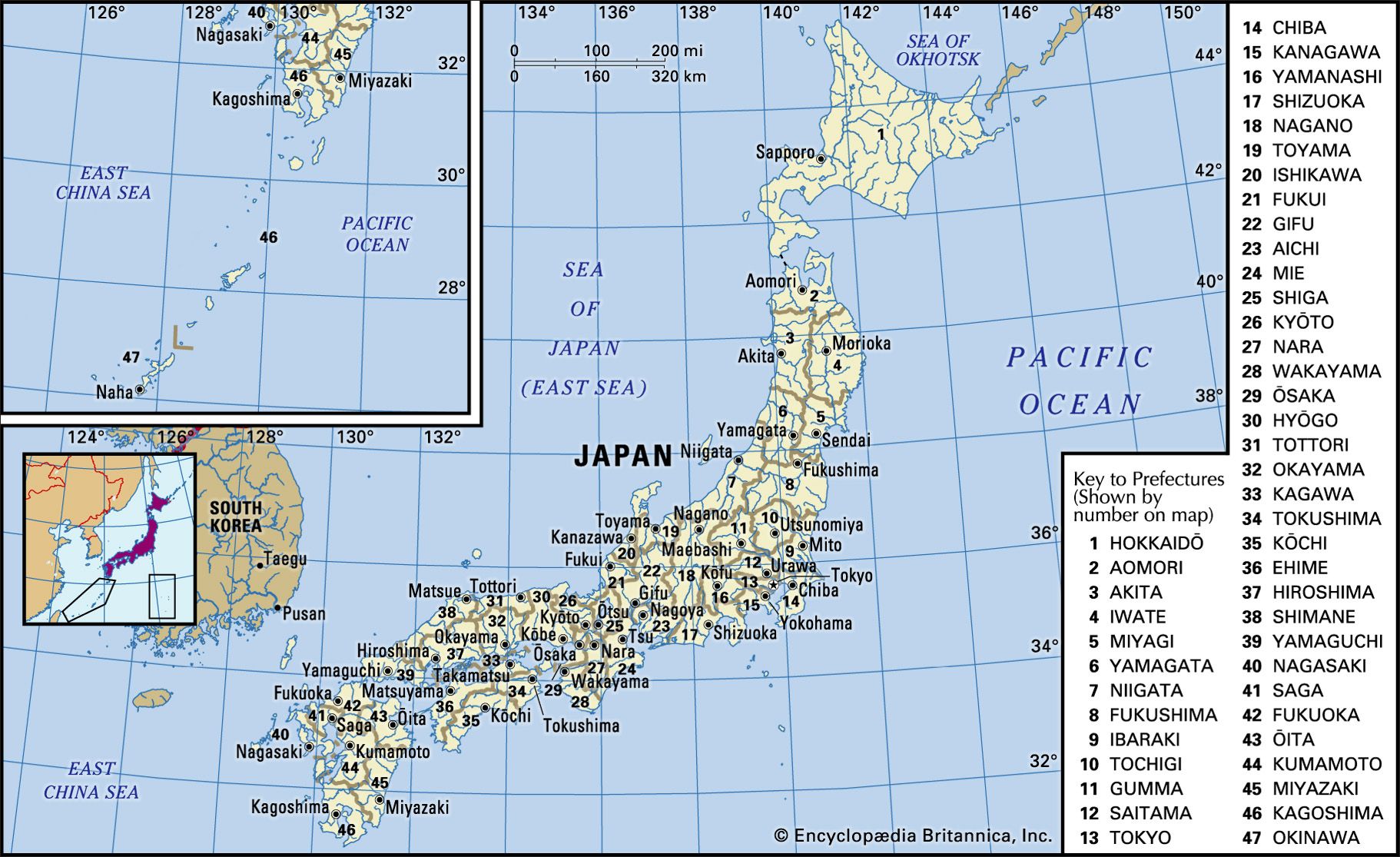 JapanThe maturity of Edo culture
… in the sharebon (genre novel), Jippensha Ikku in the kokkeibon (comic novel), and Takizawa Bakin in the yomihon (regular novel). They examined in detail such things as the townspeople’s way of life, customs, conceptions of beauty, and ways of thinking. Ikku is best known for his Tōkai dōchu hizakurige (1802–22;…
Read More… in the sharebon (genre novel), Jippensha Ikku in the kokkeibon (comic novel), and Takizawa Bakin in the yomihon (regular novel). They examined in detail such things as the townspeople’s way of life, customs, conceptions of beauty, and ways of thinking. Ikku is best known for his Tōkai dōchu hizakurige (1802–22;…
Read More- Japanese literatureLate Tokugawa period (c. 1770–1867)
Shank’s Mare), by Jippensha Ikku, an account of the travels and comic misfortunes of two irrepressible men from Edo along the Tōkaidō, the great highway between Kyōto and Edo. Shunshoku umegoyomi (1832–33; “Spring Colours: The Plum Calendar”), by Tamenaga Shunsui, is the story of Tanjirō, a peerlessly handsome…
Read MoreShank’s Mare), by Jippensha Ikku, an account of the travels and comic misfortunes of two irrepressible men from Edo along the Tōkaidō, the great highway between Kyōto and Edo. Shunshoku umegoyomi (1832–33; “Spring Colours: The Plum Calendar”), by Tamenaga Shunsui, is the story of Tanjirō, a peerlessly handsome…
Read More