


Hector Pieterson
-
Who was Hector Pieterson?
Hector Pieterson was a 12-year-old South African student who was killed by police on June 16, 1976, during the Soweto Uprising. This uprising was a student-led protest against the government’s plan to impose Afrikaans as the language of instruction in schools for Black students.
A photo of a dying Pieterson being carried by another student, Mbuyisa Makhubo, with Pieterson's sister Antoinette next to them, was taken by Sam Nzima and published worldwide. The image sparked international outrage against South Africa’s apartheid regime, leading the UN to condemn the government's violence.
Pieterson became a symbol of the Soweto Uprising and the struggle against apartheid. Today, South Africa commemorates the anniversary of his death as a national holiday called Youth Day, and he is buried in the Avalon Cemetery in Soweto.
2 Britannica SourcesCreated from Britannica articles using AI. AI can make mistakes, so verify using Britannica articles. -
Where and when did Hector Pieterson live?
Hector Pieterson was a 12-year-old Black student living in Soweto, South Africa, when he was killed by police on June 16, 1976, during the Soweto Uprising. This student-led protest was against the government's policy to impose Afrikaans as the medium of instruction in schools for Black students.
A photograph of Pieterson's death, captured by Sam Nzima, sparked international outrage and condemnation of South Africa's apartheid government. Pieterson became a symbol of the Soweto Uprising and the struggle against apartheid. The Hector Pieterson Museum opened in Soweto in 2002, near the site where he was shot. Today, South Africa observes Youth Day annually on June 16 to commemorate Pieterson's death.
3 Britannica SourcesCreated from Britannica articles using AI. AI can make mistakes, so verify using Britannica articles. -
Why is Hector Pieterson remembered in South Africa?
Hector Pieterson is remembered in South Africa as a symbol of the Soweto Uprising and the struggle against apartheid. The 12-year-old was killed on June 16, 1976, during a protest led by Black students against the government’s policy to impose Afrikaans as the medium of instruction in schools for Black students.
A photo of a dying Pieterson being carried by an 18-year-old student, Mbuyisa Makhubo, with Pieterson’s sister alongside him, was published worldwide, resulting in international condemnation of South Africa’s apartheid regime. Today, South Africa commemorates the anniversary of Pieterson’s death as a national holiday called Youth Day.
3 Britannica SourcesCreated from Britannica articles using AI. AI can make mistakes, so verify using Britannica articles. -
What happened to Hector Pieterson during the Soweto Uprising?
Hector Pieterson, a 12-year-old student, was killed by police on June 16, 1976, during the Soweto Uprising in South Africa, which began as a protest led by Black students against the government’s imposition of Afrikaans as the medium of instruction in schools. A photo of a mortally wounded Pieterson being carried by another student, Mbuyisa Makhubo, with Pieterson's sister alongside them, was taken by Sam Nzima and published worldwide, sparking international outrage against South Africa’s apartheid regime. The UN condemned the violence. Today, June 16 is commemorated as Youth Day in South Africa, and Pieterson is remembered as a symbol of the anti-apartheid struggle.
2 Britannica SourcesCreated from Britannica articles using AI. AI can make mistakes, so verify using Britannica articles. -
How did the events involving Hector Pieterson affect public opinion about apartheid?
Hector Pieterson's death, captured in a widely circulated photograph by Sam Nzima, became a symbol of the Soweto Uprising and the struggle against apartheid. The image of Pieterson being carried by a fellow student, with his sister Antoinette running alongside, sparked international outrage.
The publication of this photo provoked global condemnation of South Africa's apartheid regime. In response to the uprising, the United Nations Security Council passed Resolution 392, which condemned the South African government’s violence and killings of those opposing racial discrimination. Today, South Africa commemorates the anniversary of Pieterson’s death as a national holiday called Youth Day.
1 Britannica SourceCreated from Britannica articles using AI. AI can make mistakes, so verify using Britannica articles. -
What memorials or museums honor Hector Pieterson today, and why are they important?
Hector Pieterson, a symbol of the Soweto Uprising against apartheid, is honored today through the Hector Pieterson Museum, which opened in Soweto in 2002. The museum commemorates the uprising and remembers the wrongs of the past to embrace a better future.
The Hector Pieterson Museum serves as a reminder of the events of June 16, 1976, when Pieterson was killed during a protest against the government’s plan to impose Afrikaans as the language of instruction in schools for Black students. His death, captured in a widely circulated photograph, sparked international outrage and condemnation of South Africa’s apartheid regime. South Africa commemorates the anniversary of his death as a national holiday called Youth Day.
3 Britannica SourcesCreated from Britannica articles using AI. AI can make mistakes, so verify using Britannica articles.
Hector Pieterson was 12 years old when police killed him on June 16, 1976, during a protest by Black students that marked the beginning of the Soweto Uprising in South Africa. His death was captured in a photograph by Sam Nzima that generated international outrage and intensified condemnation of South Africa’s apartheid government. Pieterson and Hastings Ndlovu, who was also a student, were the first Black protesters killed during the Soweto Uprising.
Soweto and the origins of student protests in the 1970s
Located southwest of Johannesburg, the urban residential area of Soweto is a product of South Africa’s apartheid policies, which were formalized into law beginning in the 1940s and still have effects today, even though these laws were eliminated in the 1990s.
Soweto had its origins in the informal housing and infrastructure built by Black workers arriving from rural areas to pursue livelihoods in and around Johannesburg, particularly during the 1920s and ’30s. In the 1940s the South African government established greater control over the area and maintained it, in keeping with its apartheid policies, as a place for Black people from a variety of ethnic groups, separated from those the government identified as belonging to other races. Soweto was a source of anti-apartheid protest and activism beginning in the middle decades of the 20th century.



Hector Pieterson was born on August 19, 1963, the only boy among his mother and father’s four children. He was attending school in Soweto when, in 1974, South Africa’s Department of Bantu Education established the Afrikaans Medium Decree, a policy that directed higher primary and secondary schools attended by Black students in the Transvaal province—which included Soweto—to use Afrikaans as the language of instruction for some subjects. English was the dominant language of Black residents, while Afrikaans was the language of white South Africans, which meant that Black South Africans considered Afrikaans to be “the language of the oppressor,” as Desmond Tutu explained. Additionally, the new policy would negatively affect Black students’ education because many were not fluent in Afrikaans.
As efforts to stop implementation of the policy continued, organizations such as the Black Consciousness Movement, led by Steve Biko, and the South African Students’ Organisation contributed to anti-apartheid sentiment among students in Soweto and elsewhere. Eventually, as Afrikaans was more widely imposed on schools in 1976, thousands of Black students engaged in boycotts and demonstrations, protesting against the change in language policy.
Pieterson’s death and the escalation of the Soweto Uprising
On the morning of June 16, 1976, a group of student protesters that grew to an estimated 10,000 people marched and sang through the streets of Soweto, where they were intercepted by a sizable armed police force. As Pieterson’s sister Antoinette Sithole recalled in 2022, her brother joined the protest, which she was part of, as it passed his primary school; organizers had not intended younger students to participate. Although accounts of the confrontation differ, it is clear that the police used tear gas against the demonstrators and then fired guns at them indiscriminately.
When the police began to shoot, the crowd scattered. In the chaos, Sithole later recounted, she saw her brother being carried by another protester, and together they rushed for help. Though they reached a clinic, Pieterson had already died. He, along with 15-year-old Hastings Ndlovu, who also died that day, were the first Black protesters shot and killed by police during the Soweto Uprising.
The trusted destination for professionals, college students, and lifelong learners.
SUBSCRIBE


The march had now escalated to large-scale violence. Days of rioting and violence in Soweto as well as elsewhere in South Africa followed. What had begun as a demonstration against a language policy transformed into a broader struggle against the entire apartheid system. A government commission in South Africa claimed in 1976 that 575 people had died and 3,907 were injured as a result of the uprising; these numbers are disputed and considered too low.
Pieterson’s legacy
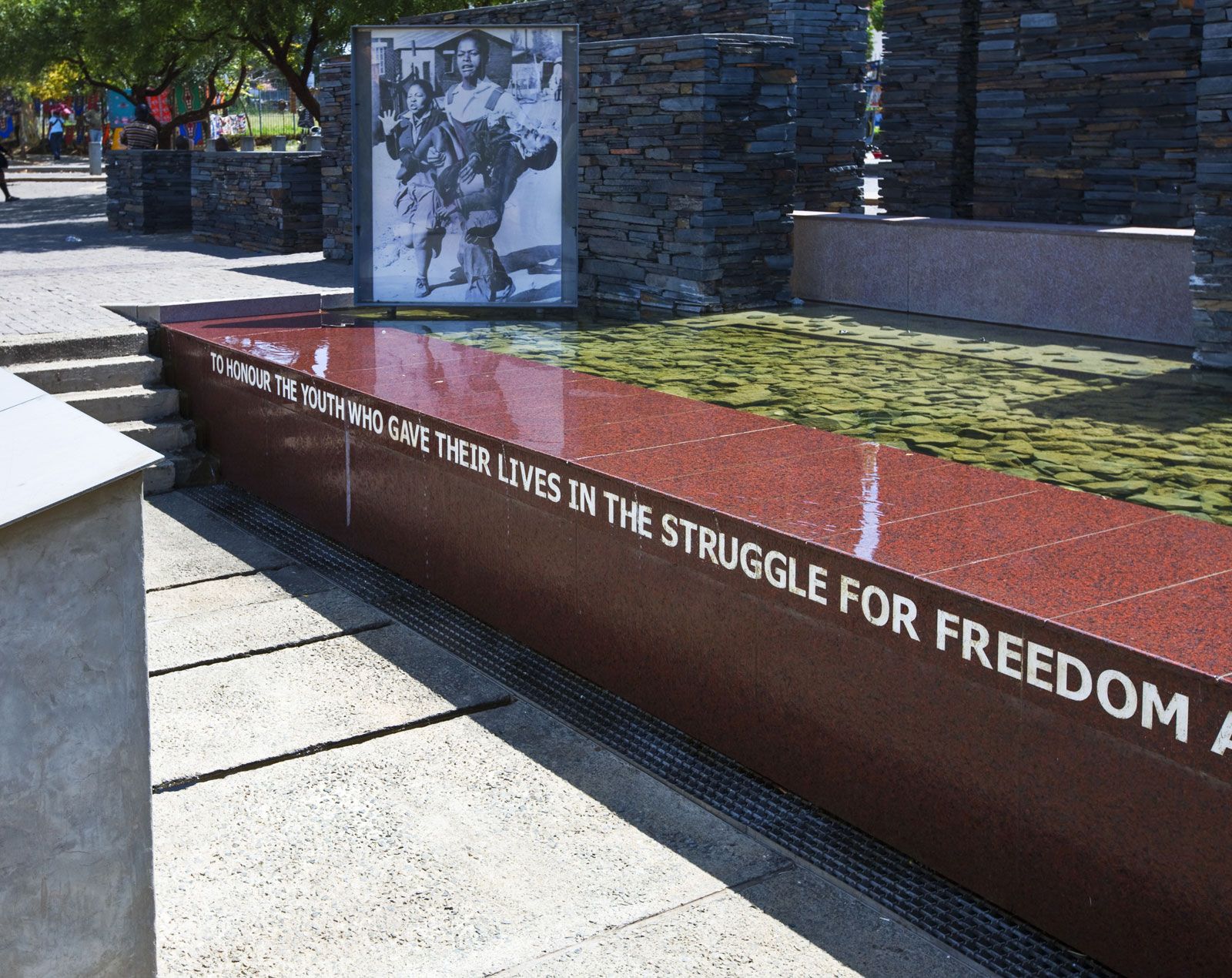
Pieterson became a symbol of the Soweto Uprising and the struggle against apartheid after the photojournalist Sam Nzima of The World newspaper took a series of photographs of Pieterson being carried by 18-year-old student Mbuyisa Makhubo. In the most famous and most widely circulated of Nzima’s photos, Pieterson’s sister Antoinette is alongside Makhubo, who has a limp, bloodied Pieterson in his arms. That photo was published around the world, provoking international outrage at South Africa’s apartheid regime.
On June 19, 1976, three days after the uprising began, the United Nations Security Council passed Resolution 392, which condemned South Africa’s government “for its resort to massive violence against and killings of the African people including schoolchildren and students and others opposing racial discrimination.”
On June 16, 2002, Soweto’s first museum, the Hector Pieterson Museum, opened two blocks from where Pieterson was shot. South Africa now commemorates the anniversary of Pieterson’s death as a national holiday called Youth Day. Both Pieterson and Ndlovu are buried in the Avalon Cemetery in Soweto.