

Edward Sylvester Morse
Learn about this topic in these articles:
 Japanese artFormative period
…to 1879 the American zoologist Edward Sylvester Morse undertook research in Japan. His discovery of pottery in a shell mound, really a prehistoric refuse heap, on the coast at Ōmori in southwestern Tokyo, served as an important catalyst in directing the attention of young Japanese scholars to the methodical investigation…
Read More…to 1879 the American zoologist Edward Sylvester Morse undertook research in Japan. His discovery of pottery in a shell mound, really a prehistoric refuse heap, on the coast at Ōmori in southwestern Tokyo, served as an important catalyst in directing the attention of young Japanese scholars to the methodical investigation…
Read More- Japanese artJōmon period
…for “cord marks,” the term Morse used in his book Shell Mounds of Omori (1879) to describe the distinctive decoration on the prehistoric pottery shards he found. Other names, such as “Ainu school pottery” and “shell mound pottery,” were also applied to pottery from this period, but after some decades—although…
Read More…for “cord marks,” the term Morse used in his book Shell Mounds of Omori (1879) to describe the distinctive decoration on the prehistoric pottery shards he found. Other names, such as “Ainu school pottery” and “shell mound pottery,” were also applied to pottery from this period, but after some decades—although…
Read More 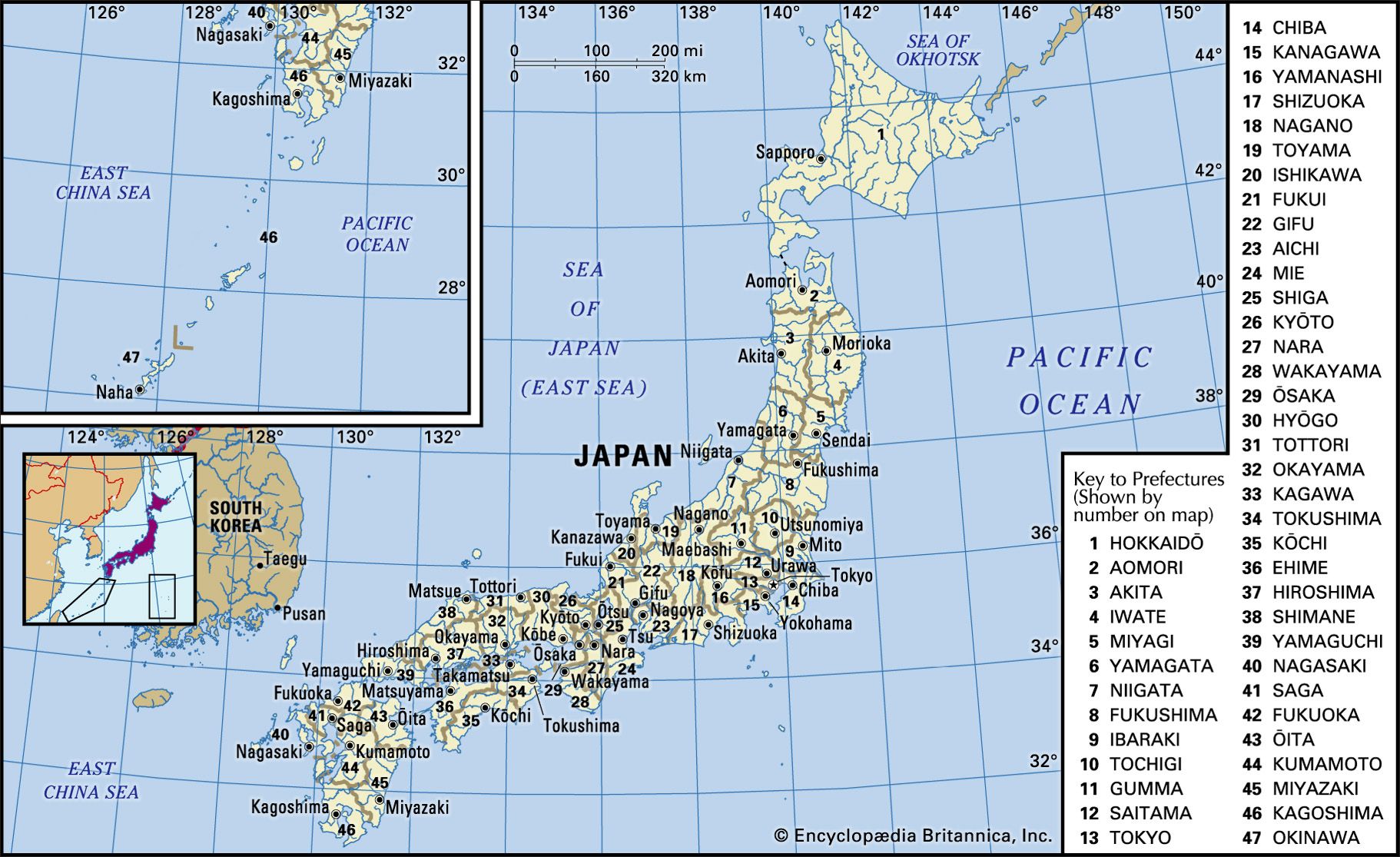 JapanJōmon culture (c. 10,500 to c. 300 bce)
Morse, called the pottery jōmon (“cord marks”) to describe the patterns pressed into the clay. A convincing theory dates the period during which Jōmon pottery was used from about 10,500 until about the 3rd century bce. Of the features common to Neolithic cultures throughout the…
Read MoreMorse, called the pottery jōmon (“cord marks”) to describe the patterns pressed into the clay. A convincing theory dates the period during which Jōmon pottery was used from about 10,500 until about the 3rd century bce. Of the features common to Neolithic cultures throughout the…
Read More