
Britannica
Sources used in this answer
How does the Limulus amoebocyte lysate test detect gram-negative bacteria?
Created from Britannica articles
using AI.
AI can make mistakes, so verify using Britannica articles.
horseshoe crab
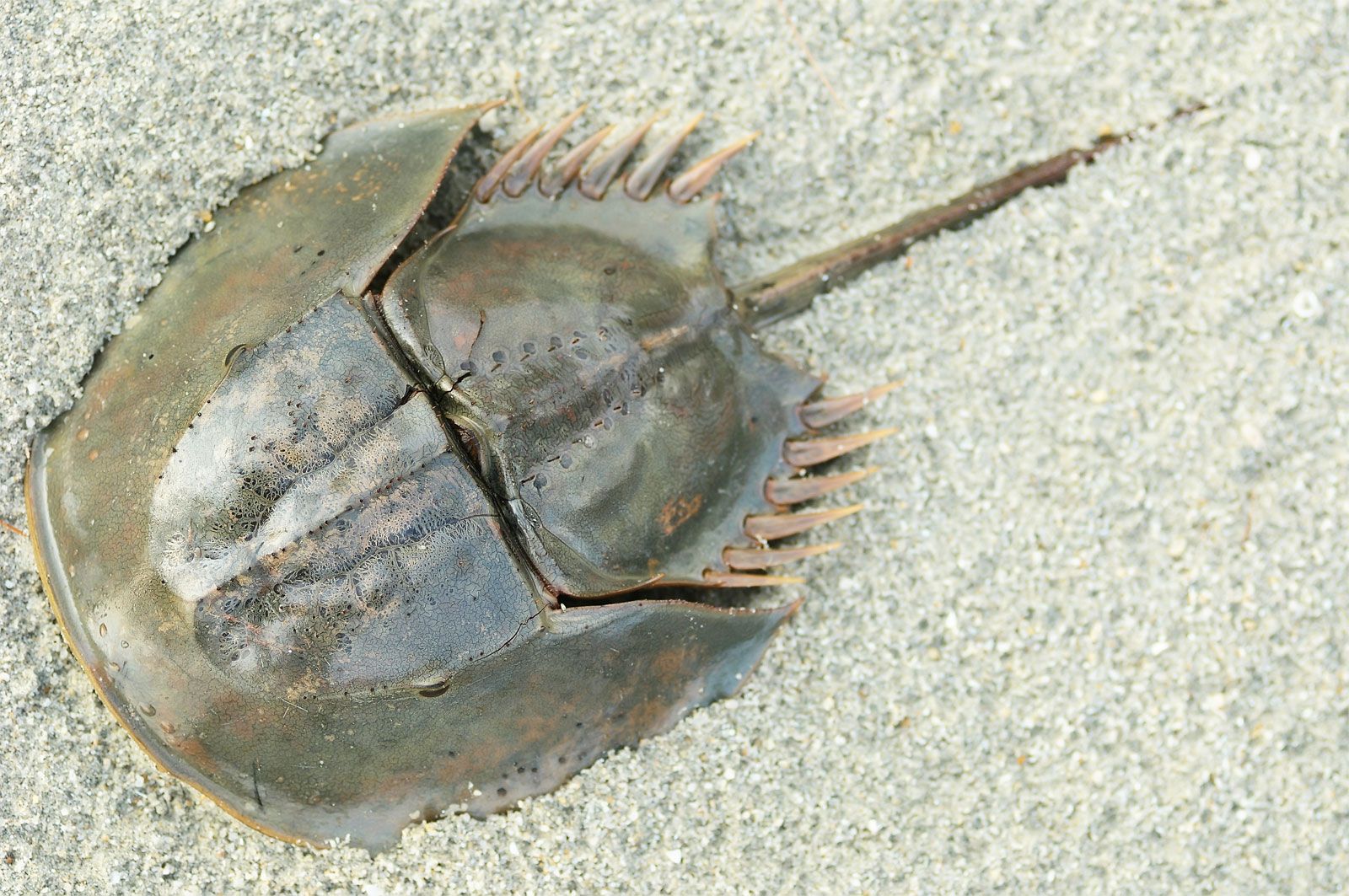
Horseshoe crab (Limulus polyphemus).
The Limulus amoebocyte lysate (LAL) test detects gram-negative bacteria by utilizing a primitive clotting agent called coagulogen, which is found in the blood of the horseshoe crab.
When the LAL reagent comes into contact with gram-negative bacteria or endotoxin—a toxic substance bound to the bacterial cell wall—the coagulogen reacts to form a clot, or "gel," around the contaminants. This reaction is highly sensitive, capable of detecting bacterial presence at concentrations as low as one part per trillion. Because of this efficiency, the test is widely used in the medical industry to ensure that drugs, intravenous solutions, and medical instruments are free from harmful bacterial contamination.1