
How does drawing blood for LAL testing affect horseshoe crab survival?
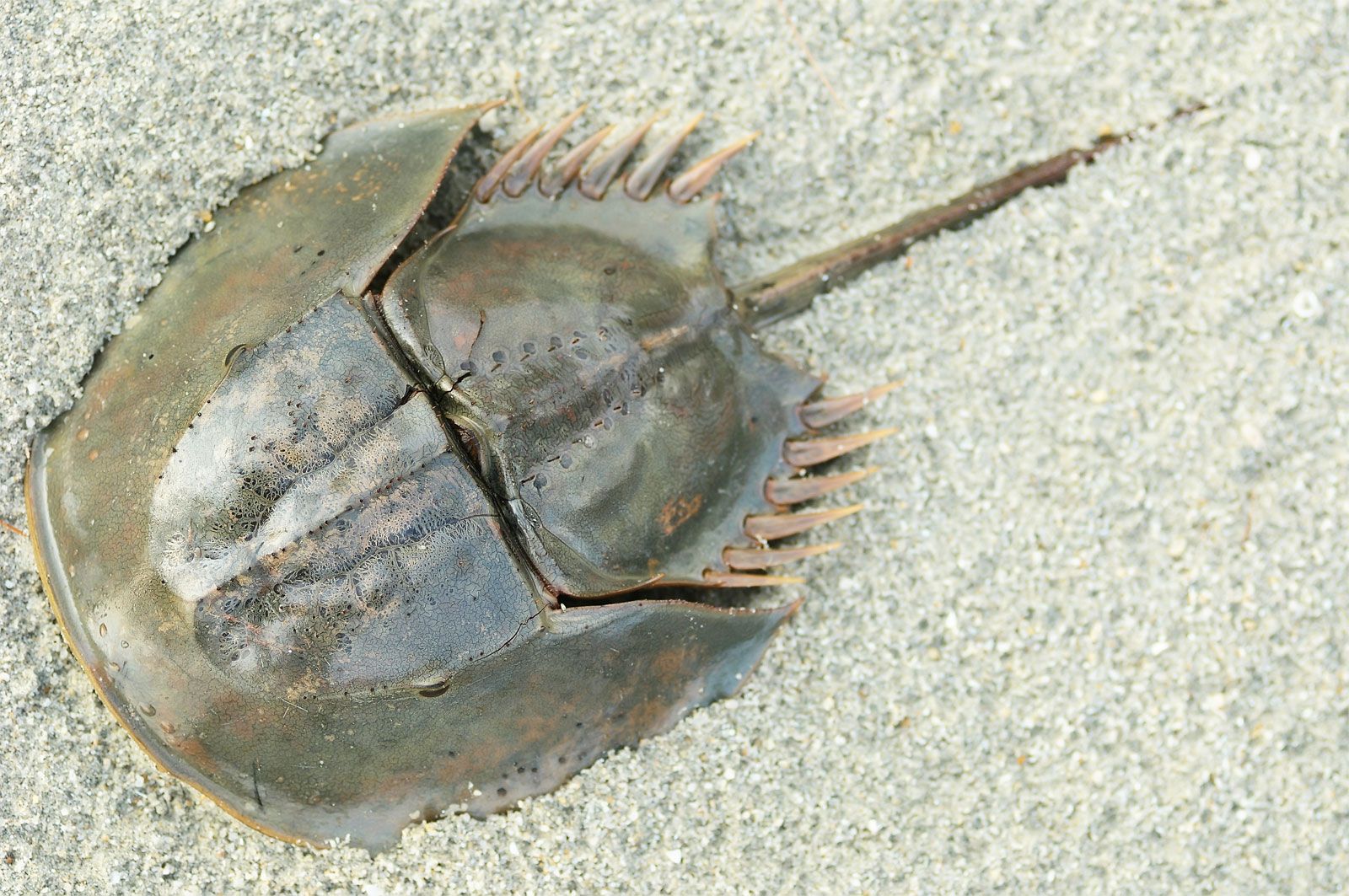
To recover coagulogen for the Limulus amoebocyte lysate (LAL) test, blood is drawn from live horseshoe crabs. While some medical testers suggest the process does not typically harm the animals, other investigators report that the mortality rate resulting from this bleeding process is approximately 30 percent.12
This extraction process is one of several human-related pressures—alongside commercial fishing for bait, habitat loss, and accidental capture—that contribute to the decline of horseshoe crab populations. Given the vital role these animals play in their ecosystems, including as a food source for species like the American red knot, it is ethically imperative to prioritize sustainable practices and conservation efforts that ensure their survival and recovery.12