
How does beachfront development threaten horseshoe crab breeding habitat?
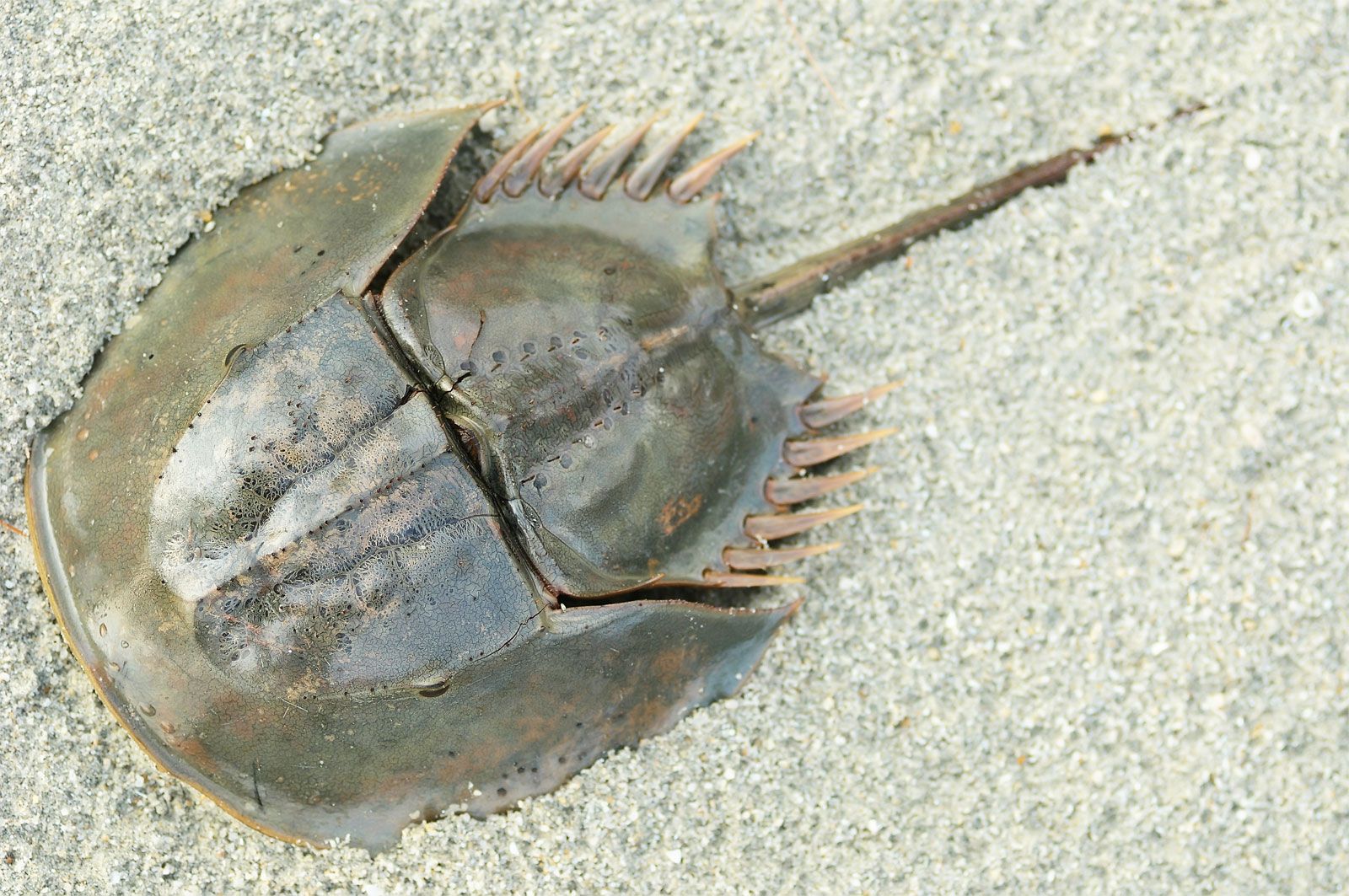
Beachfront development poses a significant threat to horseshoe crab breeding habitats by causing the loss and shrinkage of the sandy beaches these animals require for their reproductive cycle.1
Horseshoe crabs rely on specific landforms—sandy beaches—that naturally erode and reconstitute through the action of wind and waves. As property development along the Atlantic coast has increased, these vital spawning areas have been reduced, particularly in regions like New England. Because horseshoe crabs must deposit their eggs in depressions near the high-water mark, the loss of accessible, undisturbed beach space directly limits their ability to successfully lay and fertilize eggs, contributing to population declines in certain areas.12
Protecting these habitats is an ethical imperative, as the horseshoe crab is a critical component of coastal ecosystems, supporting various species and human industries alike. Effective environmental management and conservation plans are essential to ensure the continued presence and recovery of these ancient chelicerate populations.1