
How did Frederick Bang and Jack Levin contribute to the LAL test?
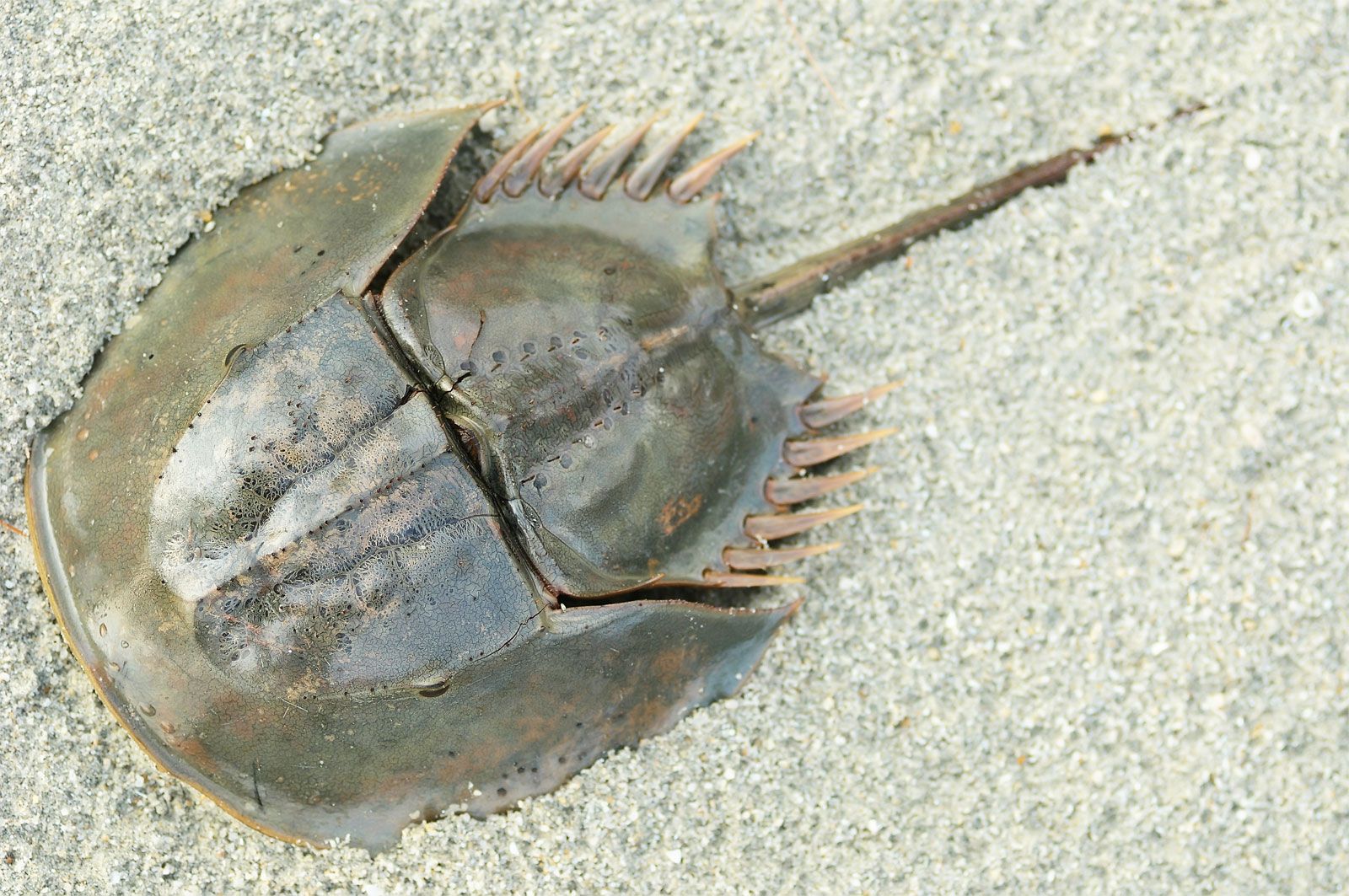
The contributions of Frederick Bang and Jack Levin were pivotal in the development of the Limulus amoebocyte lysate (LAL) test, a critical tool for ensuring medical safety.
In 1956, American scientist Frederick Bang discovered that the blood of the horseshoe crab contains a primitive clotting agent known as coagulogen. Building upon this discovery during the 1960s, American hematologist Jack Levin developed the LAL test to detect the presence of gram-negative bacteria in medical injections.1
When the LAL reagent comes into contact with gram-negative bacteria or endotoxin, the coagulogen reacts to form a clot, or "gel," even at extremely low concentrations. This rapid testing method, which was licensed in 1977, remains a vital safeguard for protecting patients from harmful contaminants in drugs, intravenous solutions, and medical instruments.1