
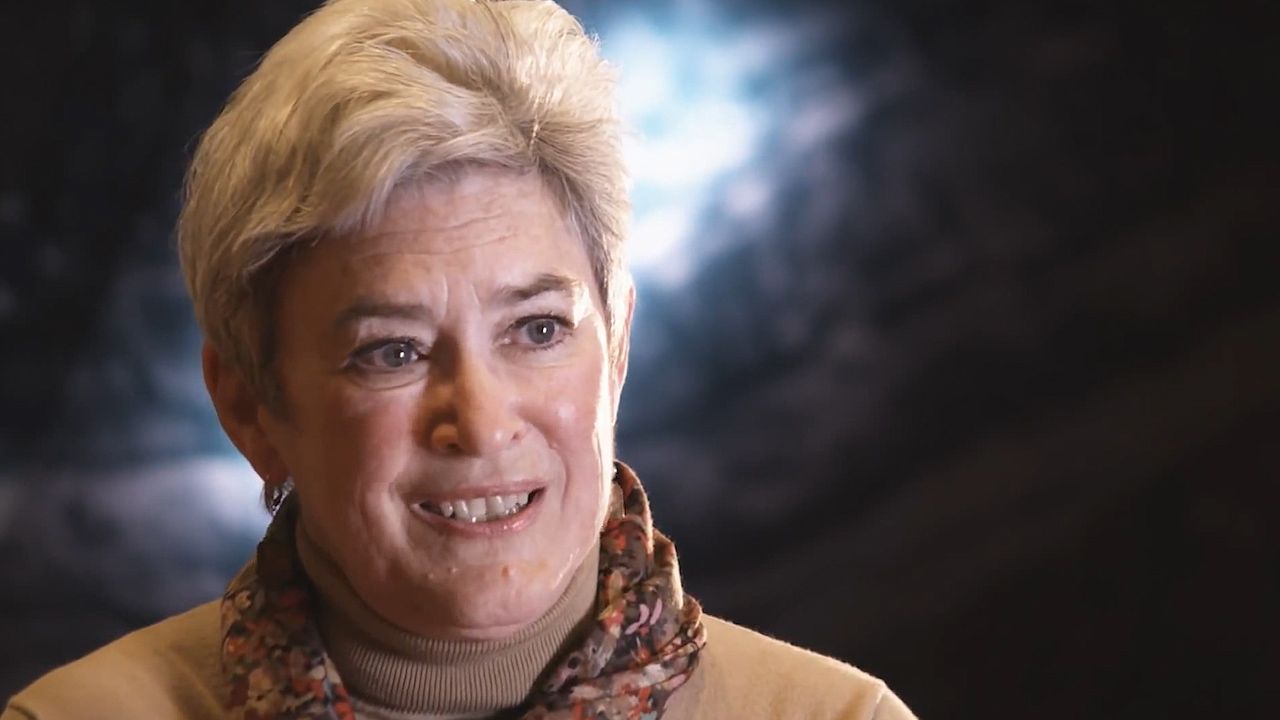
Advances in psychiatric research and treatment discussed
A discussion of the advances made in psychiatric research and treatment.
HudsonAlpha Institute for Biotechnology (A Britannica Publishing Partner)
-
© American Chemical Society (A Britannica Publishing Partner)Learn about caffeine's effects on the human body.
-
Encyclopædia Britannica, Inc.Resist the urge to grab a cotton swab.
-
© Massachusetts Institute of Technology (A Britannica Publishing Partner)Developing multifunctional fibers to deliver optical signals or drugs directly into the brain and to record neural activity.
-
HudsonAlpha Institute for Biotechnology (A Britannica Publishing Partner)Learn about the immune system and the field of immunogenetics.
-
Contunico © ZDF Studios GmbH, MainzDiscussion of biological clocks, including an overview of the suprachiasmatic nucleus, which controls circadian rhythms.
-
© University of Melbourne, Victoria, Australia (A Britannica Publishing Partner)An overview of an Australian study, focused on twins, of the inheritability of singing talent.
-
Encyclopædia Britannica, Inc.James Watson and Francis Crick revolutionized the study of genetics when they discovered the structure of DNA.







Transcript
[Music in]
RICK MYERS: We are making progress. And part of it is that the experimental tools that we have available to us now (some of those developed here at HudsonAlpha but--but really from the--from the field that we work in, in genomics) have increased in efficiency so much, even in the last couple of years and, really, in--in the time since we've been here, that we really have a pathway to--to--we can envision a pathway--towards looking at the genetics of large numbers of individual--their entire genomes, for instance--to see if we can find reasons why they might have a disorder versus someone who doesn't have the disorder.
PSYCHIATRIST: When I started my practice in 1989--compared to what psychiatry is like now--it's like thinking of running an office in 1989 compared to now. Think of it--with no fax machine, no Internet, no cell phone, no search engines, nothing. In those days, in 1989, take one disease. We had no medications for obsessive-compulsive disorder. Prozac came out in 1989, and it was followed by the rest of the serotonin reuptake inhibiting drugs, all of which are wonder drugs for obsessive-compulsive disorder. That's just an example of the enormous transformation that I've lived through during the years of my practice. And it's an example of why there needs to be continuing research into the production of new psychiatric drugs.
[Music out]