
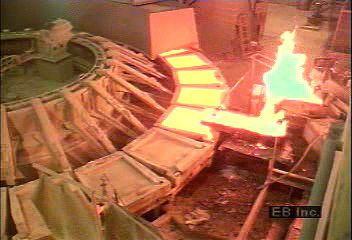
Follow copper from green rock in open-pit mines to smelting, conversion, and refining into anode plates
Open-pit mining, smelting, and refining of copper in Utah.
Encyclopædia Britannica, Inc.
-
Encyclopædia Britannica, Inc.Johannes Gutenberg invented one of the first printing presses using movable type.Media Editor: Miranda Chabot
-
Encyclopædia Britannica, Inc.Muslim women working in a factory.
-
Encyclopædia Britannica, Inc.Johannes Gutenberg developed one of the first printing presses in the mid-1400s.Media Editor: Lauren Sims
-
Encyclopædia Britannica, Inc.Learn about nutritious foods that contribute to a healthy and balanced diet.
-
© American Chemical Society (A Britannica Publishing Partner)Explaining the chemical differences between high-fructose corn syrup and sugar.
-
© American Chemical Society (A Britannica Publishing Partner)Learn why natural is not always better than synthetic, especially when it comes to vitamins.
-
Encyclopædia Britannica, Inc.If Wisconsin was a country, it would rank fourth in the world in cheese production.Media Editor: Lauren Sims




News •
40 Years of Superconductor Science Just Got Turned Upside Down by a Stunning Discovery
• Oct. 20, 2026, 3:00 AM ET (SciTechDaily)
Transcript
NARRATOR: In the United States huge copper open-pit mines such as this one can be found in Utah and Montana. Engineers look for green-colored rock, which indicates the presence of copper. Electric shovels scoop the copper-ore rocks from the earth all day and night. The trucks carry their loads to ore-dressing plants, where the ore is crushed in several stages and ground into a fine powder that is liberated from waste materials.
At this plant near Bingham Canyon, Utah, copper concentrate is turned into metal in a process called smelting. Smelting heats up the concentrate at very high temperatures and removes most impurity elements.
Subsequently, iron and sulfur are removed in the conversion process. The molten copper is then poured into molds. The heavy copper plates that have been shaped are called anodes. In the final extraction step—refining—any remaining minor impurities are removed from the anodes. The result is almost 100 percent pure copper. This metal will be sent to other plants to be made into products such as copper pipe and copper wire. Most of the world's production of copper is used by electrical industries.
Last Modification: