
Why was the Aramis habitat not an open grassland savanna?
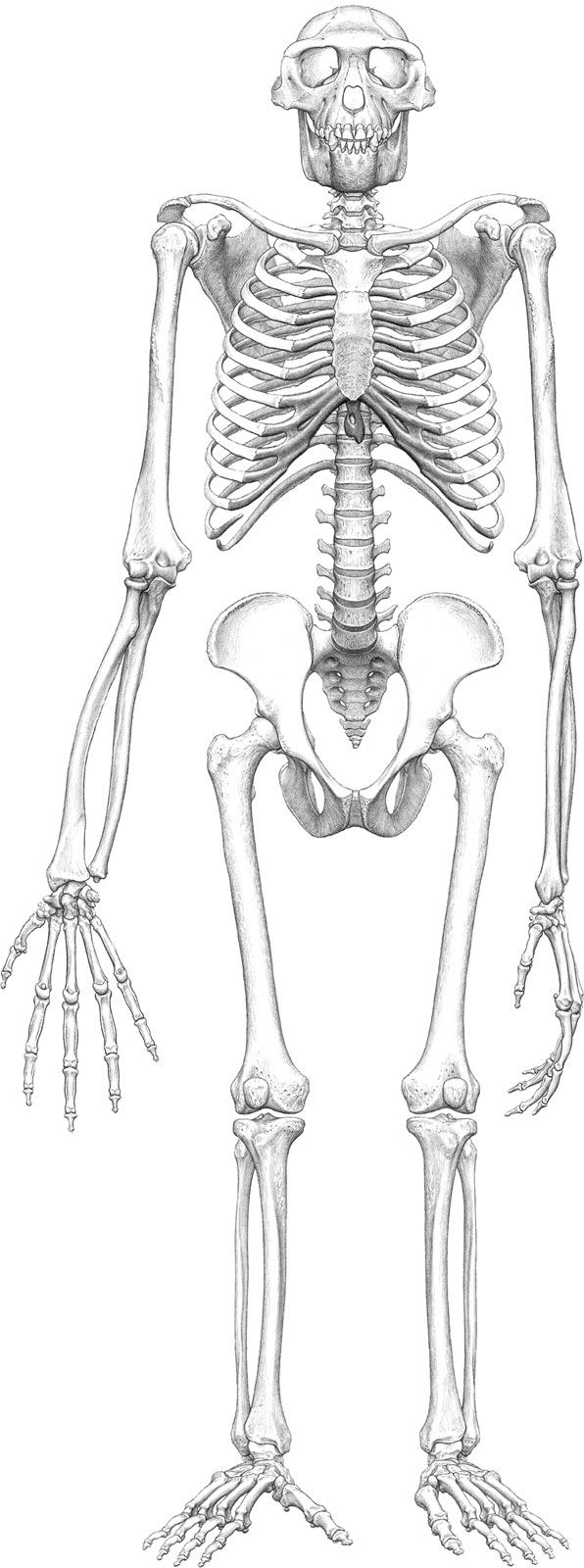
The Aramis habitat was not an open grassland savanna because the paleontological and geological evidence indicates it was a woodland environment.1
Detailed analysis of the site 4.4 million years ago reveals that the landscape was a broad, flat floodplain characterized by a diverse array of botanical remains, including wood, pollen, and phytoliths. Furthermore, the faunal remains found in association with Ardipithecus—such as forest-dwelling porcupines, peafowl, snails, millipedes, birds, and reptiles—support the conclusion that the area was a woodland rather than a savanna.1
This environmental reconstruction is further corroborated by carbon isotope data from the teeth of Ar. ramidus, which indicates the hominin relied on a woodland diet, and by its postcranial anatomy, which was well-suited for climbing in an arboreal setting.1