
Who was Ardi in the study of human evolution?
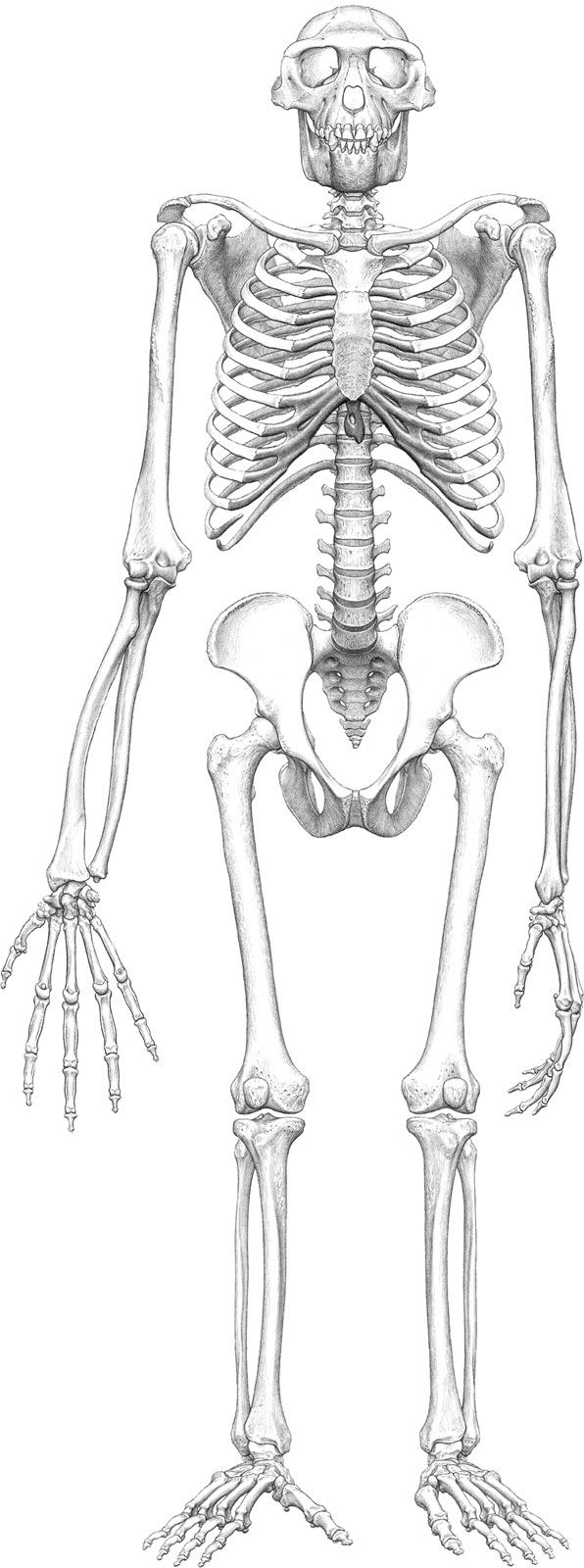
Ardi is the nickname for a partial female skeleton of the species Ardipithecus ramidus, discovered at Aramis, Ethiopia, and dated to approximately 4.4 million years ago. Most scientists recognize this specimen as the oldest hominin skeleton ever recovered.12
In the study of human evolution, Ardi provides critical insights into the transition toward bipedalism. While her pelvis and foot structure indicate she was capable of walking upright on the ground, other skeletal features—such as her long arms, long fingers, and opposable great toes—suggest she also maintained a partially arboreal existence, likely climbing and foraging in woodland environments.134
Ardi possessed a small, ape-sized braincase and relatively small canine teeth that did not project like those of modern apes. Her discovery highlights the complex, experimental nature of human evolution, illustrating that early hominins were not simply direct ancestors on a linear path, but rather part of a diverse "family bush" that retained ancestral tree-dwelling traits while developing new forms of locomotion.14