
How was the foot of Ardipithecus adapted for walking?
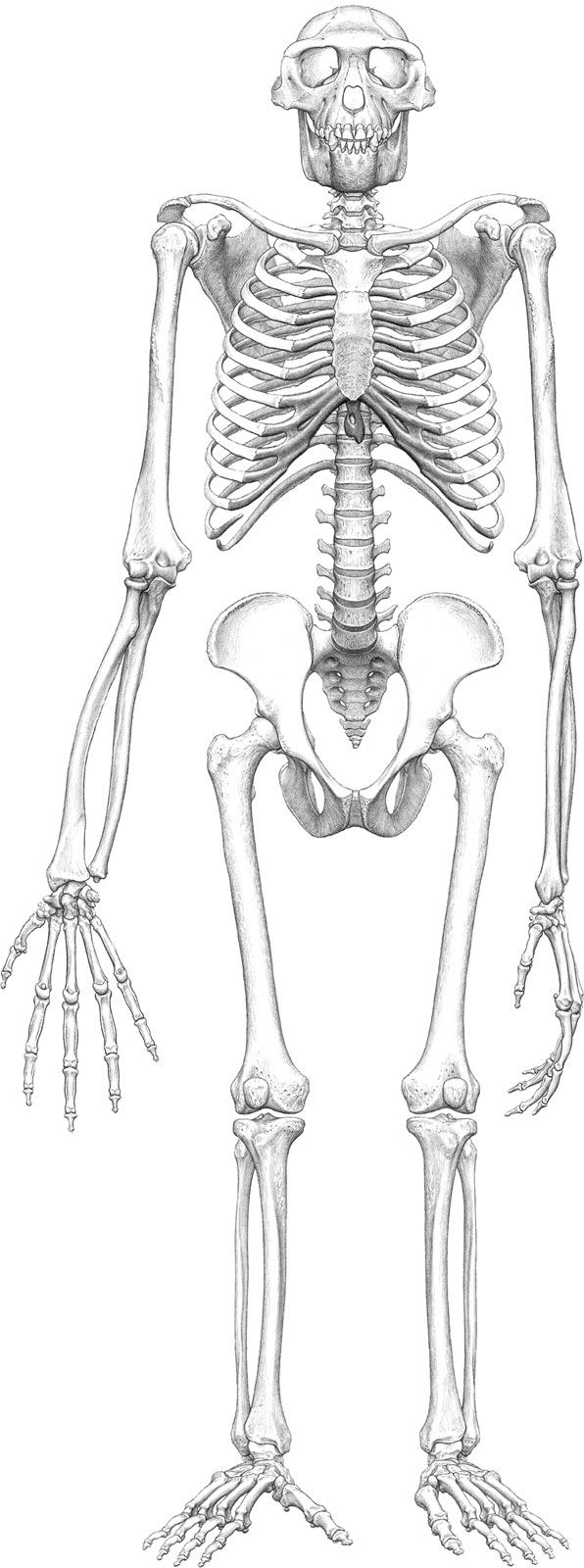
The foot of Ardipithecus, particularly in the species Ar. ramidus, represents a unique anatomical mosaic that reflects both terrestrial and arboreal adaptations.1
To facilitate walking on the ground, the foot featured a rigid midfoot and lateral foot, which functioned together as a lever during bipedal locomotion. Additionally, the species possessed an increased tarsal region, a characteristic indicative of its capacity for two-legged walking.12
However, unlike the feet of later hominins, the foot of Ardipithecus retained a fully opposable and divergent great toe. This feature allowed the animal to effectively grasp branches, making it well-suited for climbing and maneuvering in its woodland environment. Consequently, while Ardipithecus was capable of bipedalism, its foot structure was not as specialized for the efficient, striding gait seen in later hominins, as it maintained significant adaptations for an arboreal lifestyle.134