
How did Ardipithecus compare with Lucy’s species Australopithecus afarensis in walking ability?
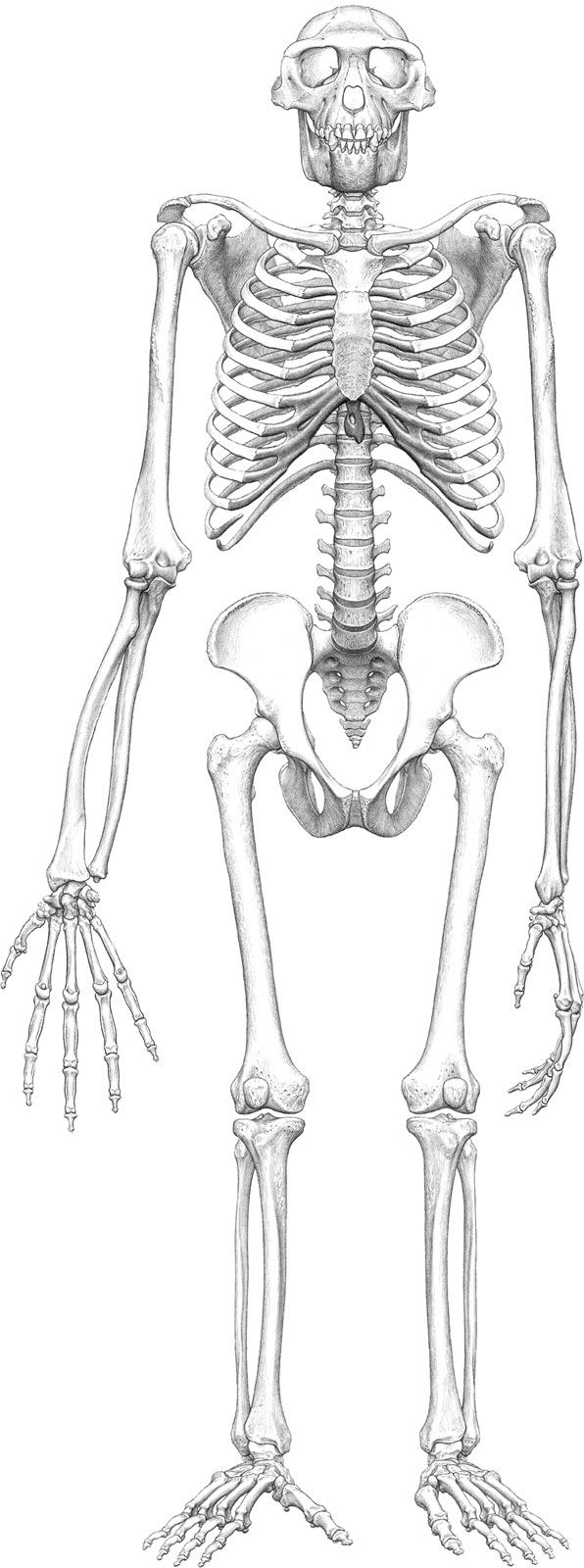
While both Ardipithecus ramidus and Australopithecus afarensis (the species of the famous fossil "Lucy") were bipedal, they differed significantly in their walking ability and anatomical adaptations.
Ardipithecus ramidus (dating to approximately 4.4 million years ago) possessed a unique mosaic of traits. While its pelvis and foramen magnum indicate it was capable of bipedal locomotion on the ground, its feet retained a fully opposable great toe for grasping, and its anatomy suggests it spent a significant amount of time clambering through trees.123
In contrast, Australopithecus afarensis (dating to approximately 3.2 million years ago) was a more adept walker. Lucy’s species featured a more humanlike pelvis and a knee joint design that suggests she walked upright in a manner more similar to modern humans. While A. afarensis also retained features for climbing—such as curved fingers and toes—the evidence from the Laetoli trackways confirms that by 3.5 million years ago, hominins were already walking with a pattern astonishingly similar to that of modern, habitually barefoot humans.43