
Why were stepwells important social spaces for women in Indian villages?
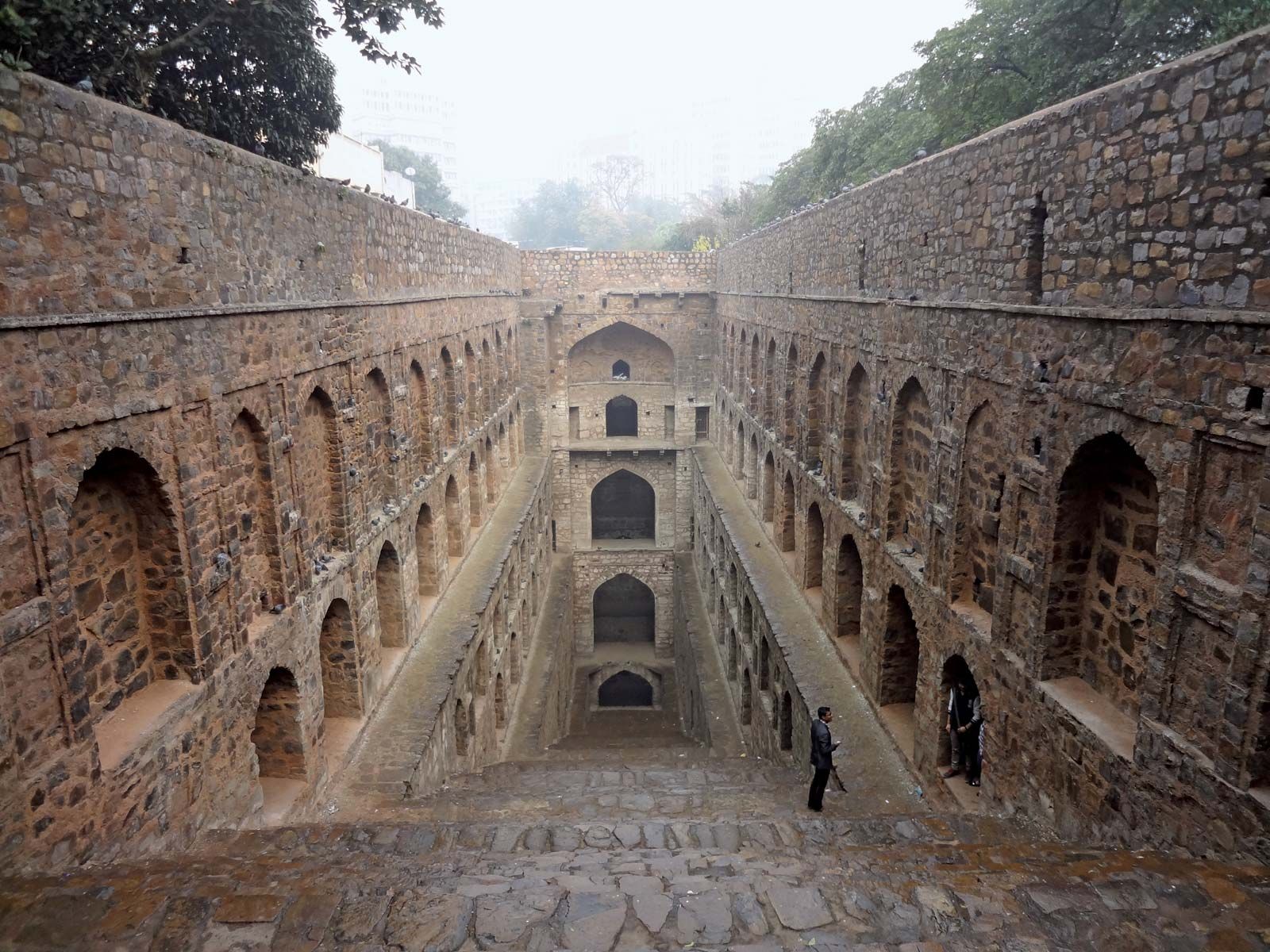
In Indian villages, stepwells served as vital social spaces for women primarily because the task of fetching water was, and remains, a responsibility traditionally assigned to them.1
These subterranean structures provided a necessary reprieve from the otherwise regimented lives of women. As they gathered at the village stepwell to collect water, the site functioned as a hub for social interaction. Beyond their utilitarian purpose as water sources, stepwells offered a cool, shaded environment—often featuring column-supported pavilions—where women could congregate, socialize, and find respite from the heat.1
Furthermore, the cultural significance of these spaces was reinforced by their role as sites for ritual bathing, prayers, and offerings, particularly in Hindu stepwells that functioned as subterranean temples. This combination of daily necessity and spiritual activity made the stepwell a central, communal gathering point for women within the village structure.1