
Why were stepwells especially valuable along remote trade routes in India?
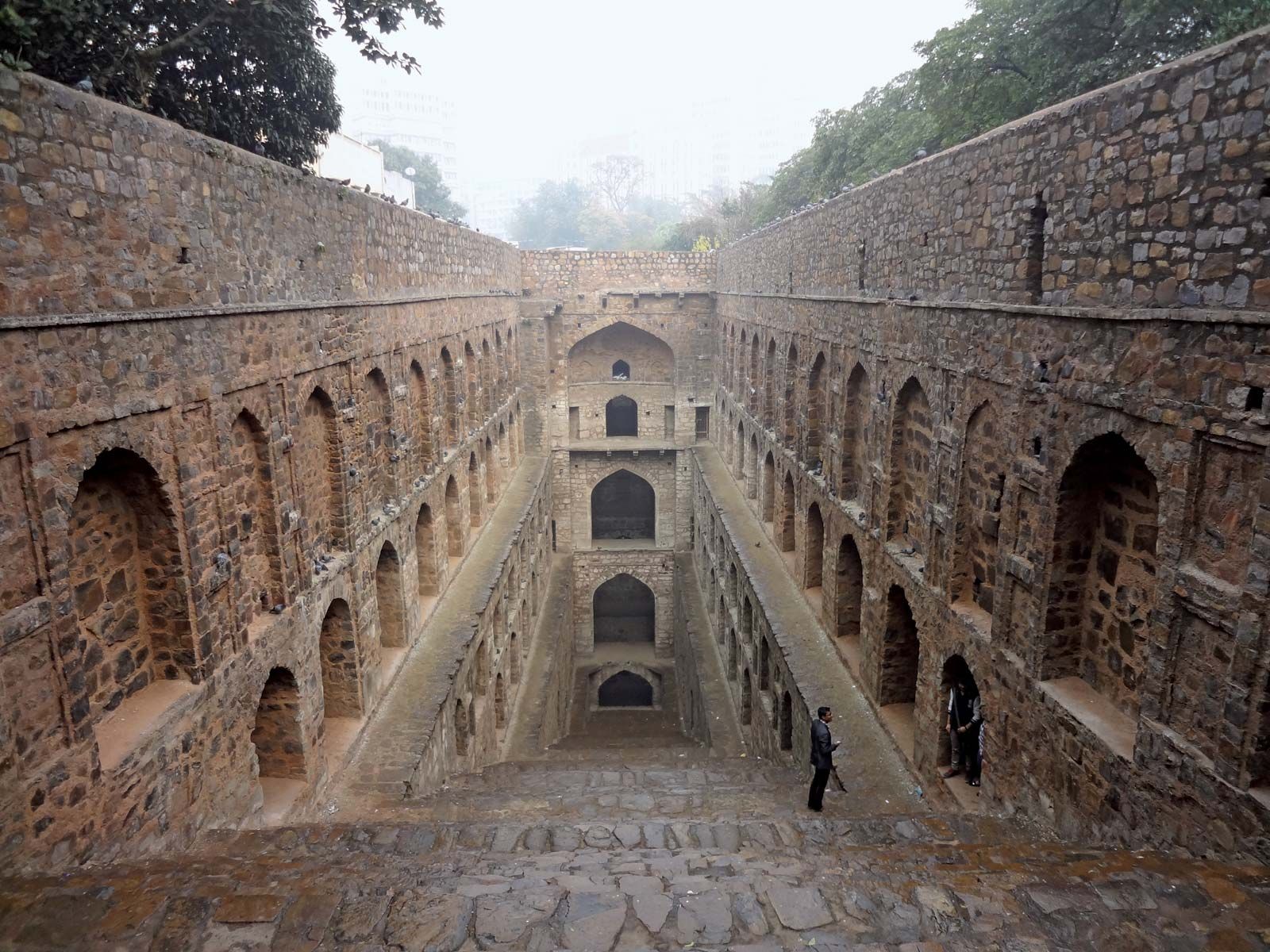
Stepwells were highly valuable along remote trade routes in India because they functioned as essential multifunctional hubs for travelers and pilgrims. These subterranean structures provided a reliable source of water for drinking and bathing, which was critical in the arid regions of the Indian subcontinent where water tables could be buried deep underground.1
Beyond water access, stepwells served as vital cool sanctuaries. Their design, which involved building deep underground, created a naturally refreshing environment that offered protection from the intense heat of the day. Travelers and caravans could park their animals and find rest within the structure's covered arcades and pavilions. By providing these necessary amenities in isolated areas, stepwells acted as important public monuments that supported the movement of people across challenging landscapes.1