
Why were stepwells built several stories below ground level?
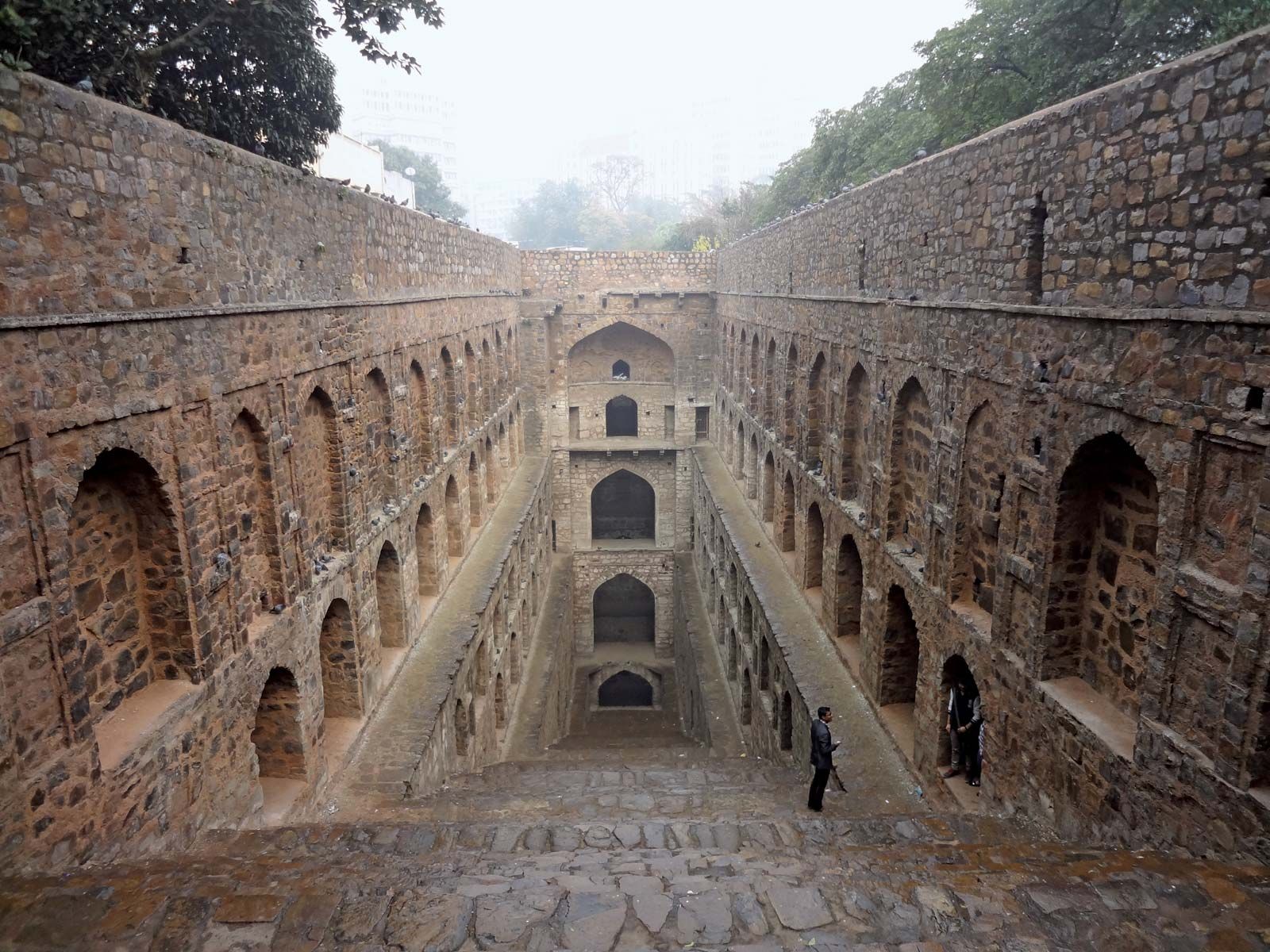
Stepwells were built several stories below ground level primarily to reach the water table, which is the level at which soil or rock is permanently saturated with water. In the arid regions of northwestern India, this water source could be located as deep as 10 stories underground, necessitating deep excavation to ensure a reliable, year-round water supply for drinking, bathing, and irrigation.1
Beyond their functional role as water sources, these subterranean structures served as cool sanctuaries for travelers and pilgrims, providing relief from the intense heat of the day. By building underground, architects created a "reverse architecture" where the lowest tiers remained refreshingly cool. This design also allowed the structures to function as large cisterns during the rainy season, as the trenches would fill to capacity, submerging the stairs and preserving water for the drier months.1