
Britannica
Sources used in this answer
Why was the open-hearth process more flexible than the Bessemer process?
Created from Britannica articles
using AI.
AI can make mistakes, so verify using Britannica articles.
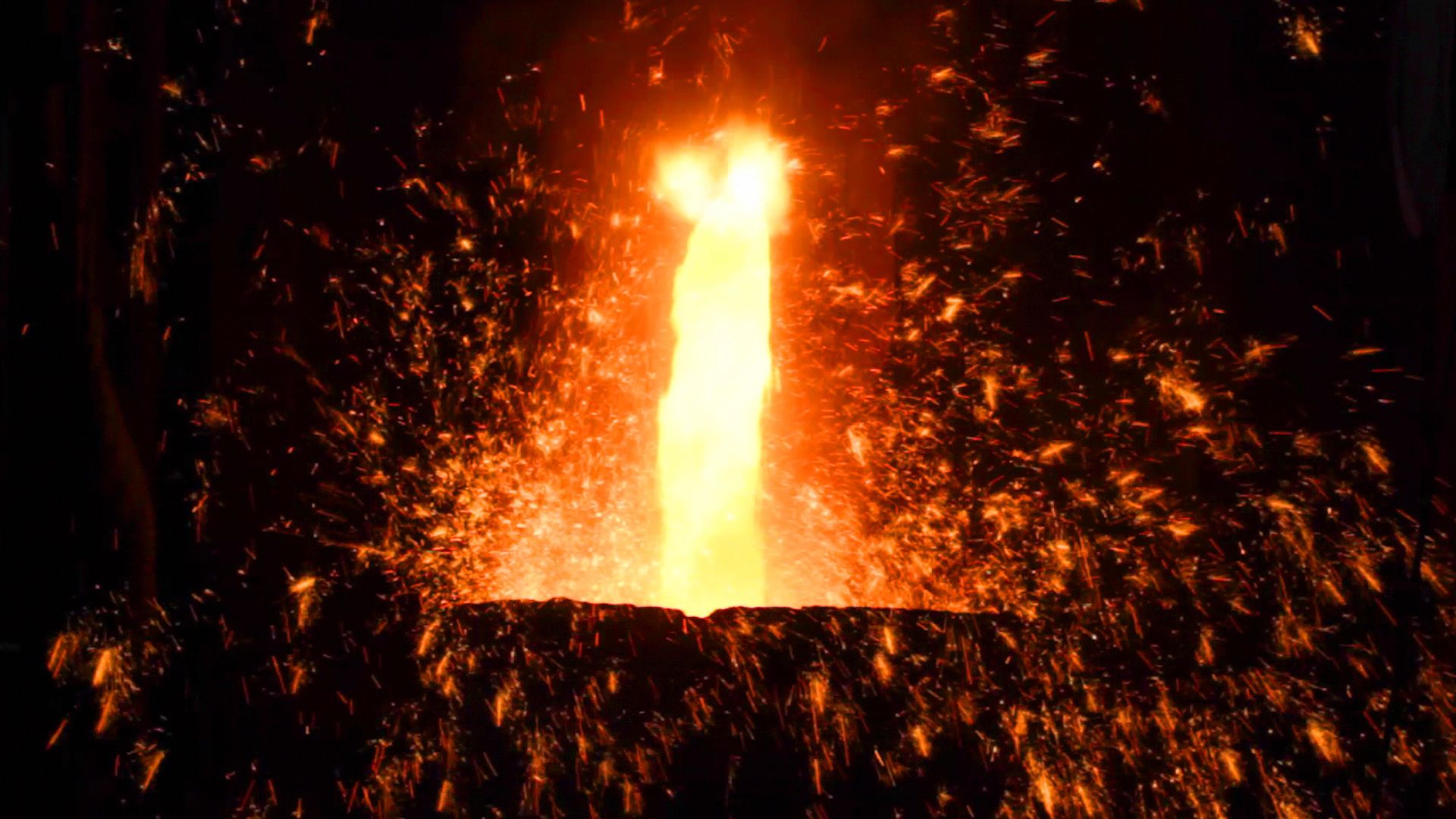
iron processing
Iron ore is one of the most abundant elements on Earth, and one of its primary uses is in the production of steel. When combined with carbon, iron changes character completely and becomes the alloy steel.
The open-hearth process was more flexible than the Bessemer process primarily because it allowed for a more controlled and versatile production environment. While the Bessemer process relied on a rapid air blast that made it difficult to manage the chemical composition of the steel, the open-hearth furnace permitted a slower, more deliberate refining process.12
Key factors contributing to this flexibility included:
- Material Variety: The open-hearth furnace could be charged with a diverse mix of liquid blast-furnace iron, steel scrap, iron ore, limestone, and other fluxes, allowing for greater control over the final product's quality.1
- Quality Control: Unlike the Bessemer process, which often resulted in the retention of nitrogen from the air blast, the open-hearth method produced superior steel that did not suffer from this specific impurity.2
- Operational Management: The furnace design allowed operators to take samples during the process to test and adjust the chemical composition before tapping the steel, a level of precision not easily achieved in the rapid Bessemer converter.12
This ability to refine varied raw materials and produce high-quality steel made the open-hearth process the dominant steelmaking method for much of the 20th century.12