
Why was commissioning a stepwell considered a meritorious act?
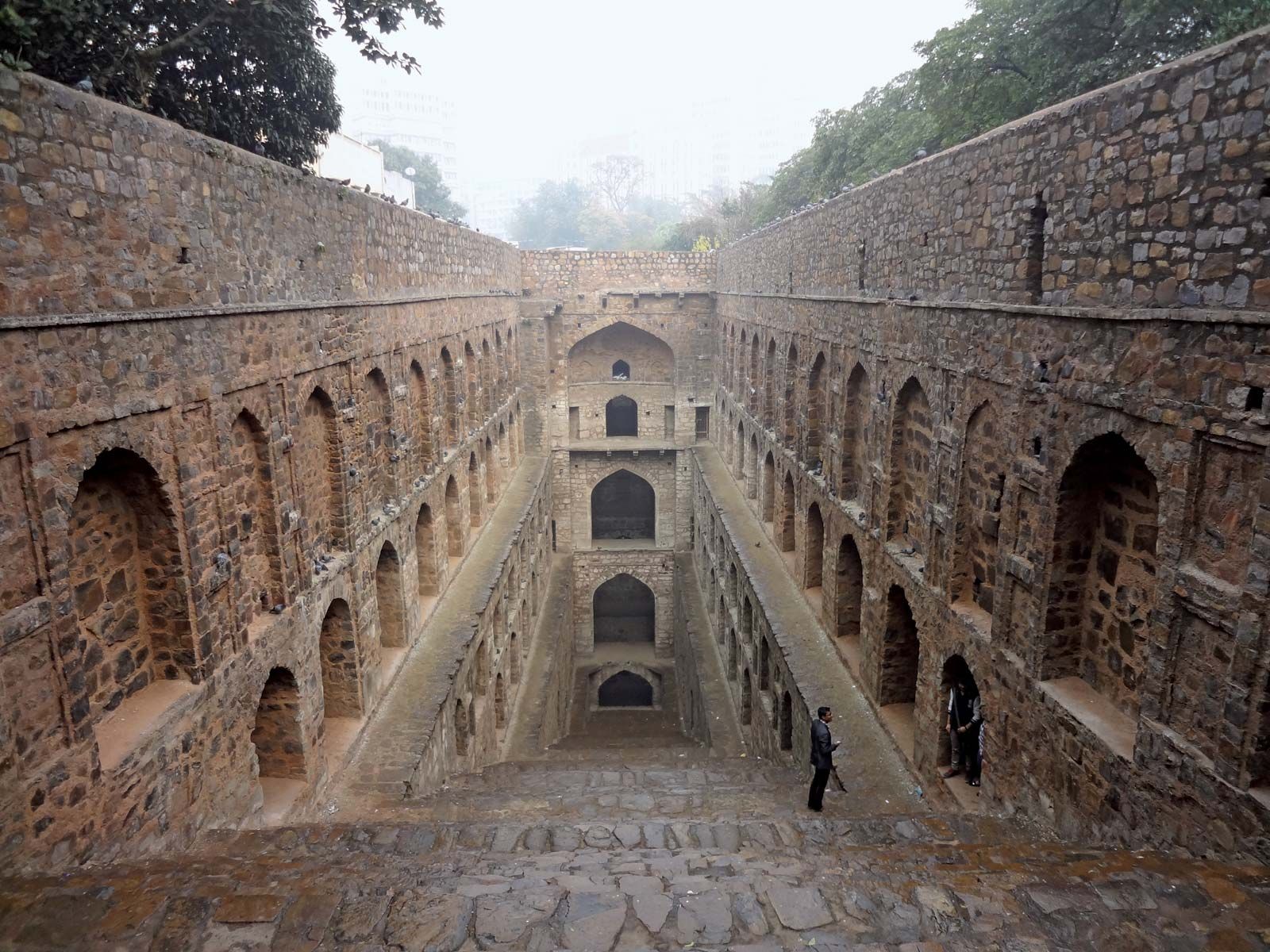
Commissioning a stepwell was considered a highly meritorious act because these structures served as essential public monuments that provided a reliable, year-round water supply in arid regions, benefiting both genders and people of various religions.1
Beyond their practical utility for drinking, bathing, and irrigation, stepwells functioned as vital social hubs and cool sanctuaries for travelers and pilgrims along remote trade routes. In the context of Hinduism, many stepwells also served as subterranean temples where ritual bathing, prayers, and offerings took place, further elevating their status as significant spiritual and communal assets. By providing a reprieve from the heat and the labor of fetching water, these "earthbound bastions against eternity" were viewed as profound acts of philanthropy.1