
Britannica
Sources used in this answer
Why is the air entering a blast furnace preheated?
Created from Britannica articles
using AI.
AI can make mistakes, so verify using Britannica articles.
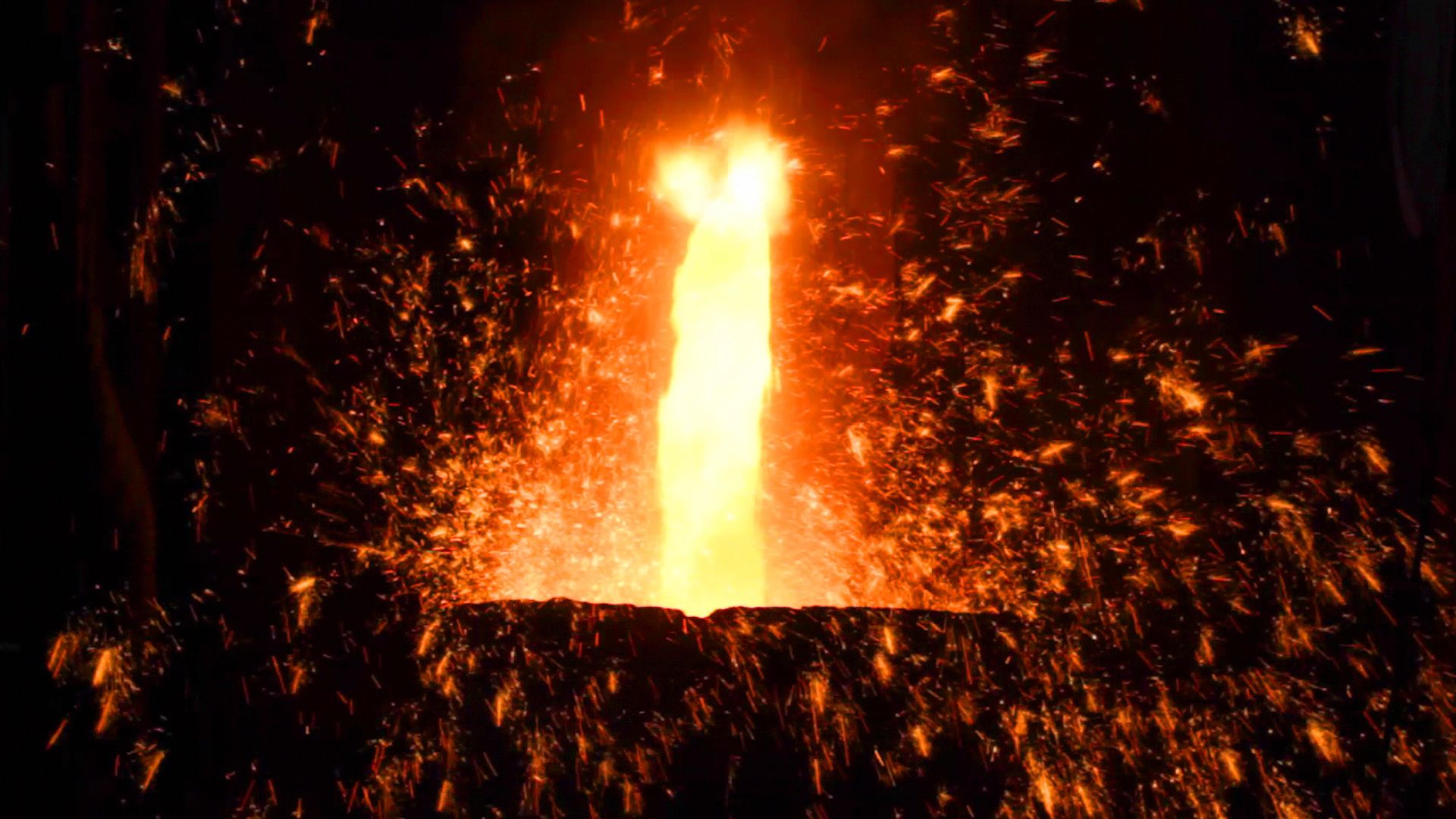
iron processing
Iron ore is one of the most abundant elements on Earth, and one of its primary uses is in the production of steel. When combined with carbon, iron changes character completely and becomes the alloy steel.
Preheating the air entering a blast furnace is a critical step in modern iron processing designed to increase efficiency and productivity.1
The primary reasons for using preheated air include:
- Increased Smelting Temperatures: By heating the air to temperatures between 900 and 1,250 °C (1,650 and 2,300 °F), the furnace can generate internal smelting temperatures of approximately 1,650 °C (3,000 °F).12
- Reduced Fuel Consumption: The use of preheated air significantly lowers the amount of coke required to produce each ton of iron, making the process more economical.1
- Enhanced Combustion: The preheated air reacts vigorously with the coke, which facilitates the rapid formation of the reducing gas (carbon monoxide) necessary to convert iron ore into metallic iron.2
This preheating is typically achieved using a hot-blast stove, which utilizes the furnace's own off-gases to heat a refractory checkerwork through which the air blast passes before entering the furnace.12