
Why is scrap added to the charge in a basic oxygen furnace?
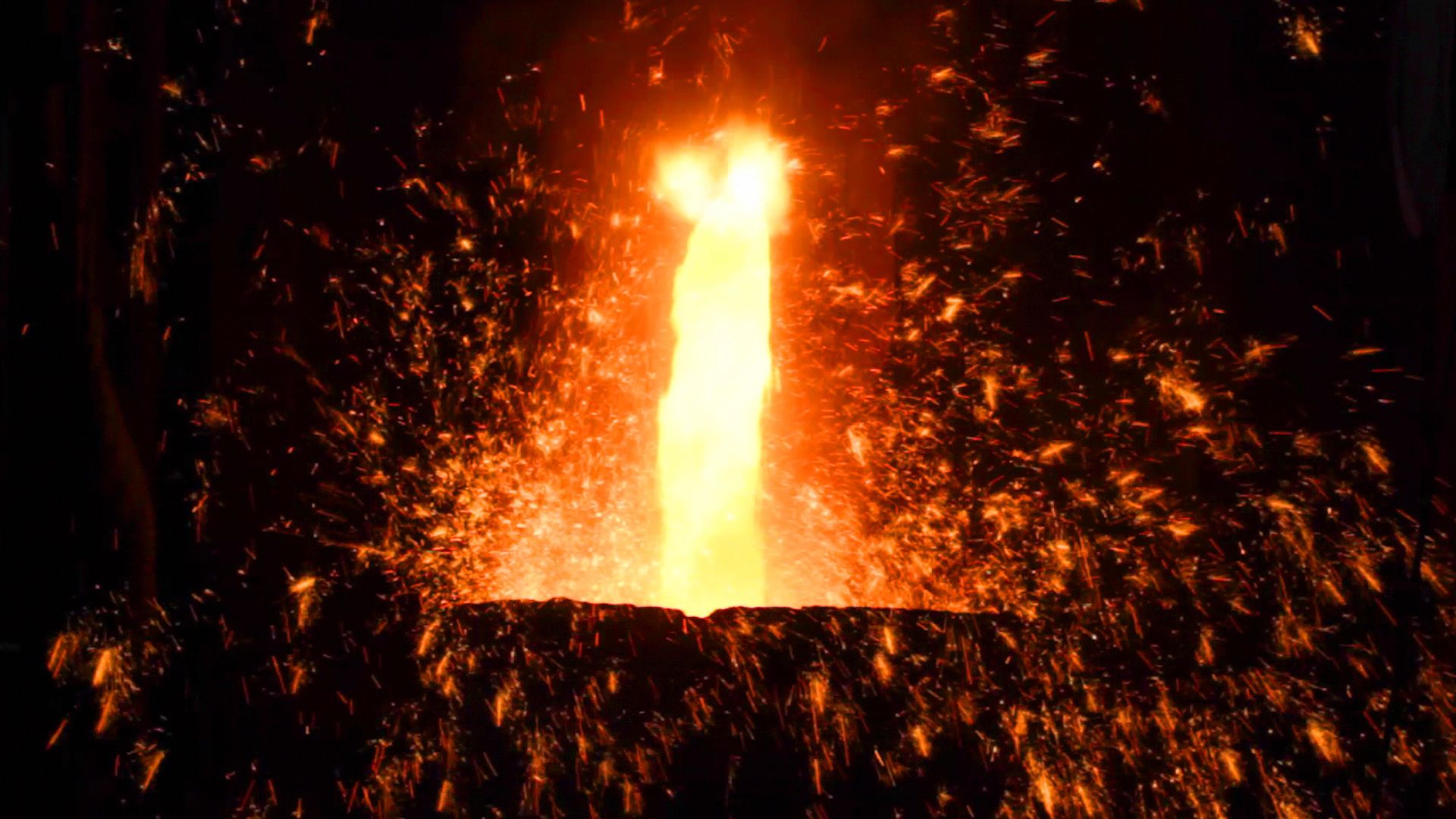
In the basic oxygen furnace (BOF), scrap is added to the charge primarily to act as a cooling agent.1
When pure oxygen is blown into the furnace, it reacts with the blast-furnace iron in a series of highly exothermic reactions—most notably the oxidation of silicon to silica. If the furnace were charged with liquid iron alone, these reactions would generate so much heat that the resulting steel would reach temperatures too high for effective casting.1
By adding scrap, which consumes approximately 340 kilocalories per kilogram to melt, the process effectively regulates the temperature. A typical charge consists of about 75 percent liquid iron and 25 percent scrap. Additionally, increasing the scrap-charging rate can be a strategic economic choice when the supply of blast-furnace iron is limited or when the cost of scrap is favorable.12