
Britannica
Sources used in this answer
Why is pure iron rarely used for most engineering products?
Created from Britannica articles
using AI.
AI can make mistakes, so verify using Britannica articles.
iron processing
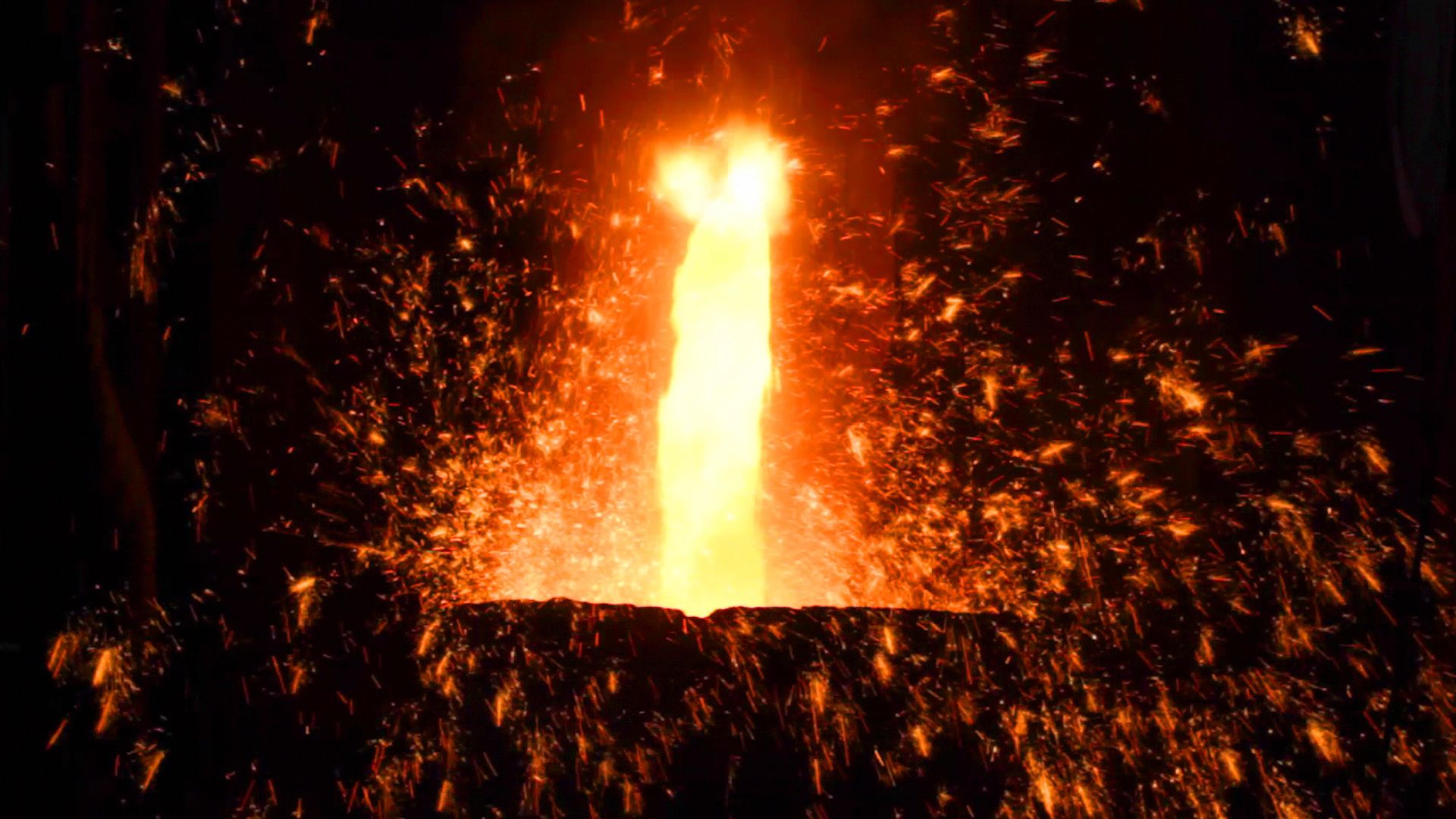
Iron ore is one of the most abundant elements on Earth, and one of its primary uses is in the production of steel. When combined with carbon, iron changes character completely and becomes the alloy steel.
Pure iron is rarely used for engineering products because, in its pure state, it is relatively soft and lacks the necessary mechanical strength required for most industrial applications. While it is malleable and can be easily shaped, it does not possess the hardness or durability needed for structural or load-bearing purposes.123
To overcome these limitations, iron is almost always alloyed with other elements to create materials with superior properties. The most common additions are:1
- Carbon: By adding small amounts of carbon, manufacturers produce steels or cast irons. This process forms structures like pearlite and cementite, which significantly increase the metal's hardness and strength compared to pure iron.12
- Alloying elements: Other elements, such as chromium, are added to improve specific characteristics like corrosion resistance, leading to the creation of stainless steel.4
Because pure iron is also quite reactive—meaning it can easily combine with other elements or corrode—these alloys provide the versatility and performance essential for modern engineering.15