
Why is coke used in a blast furnace instead of coal or charcoal?
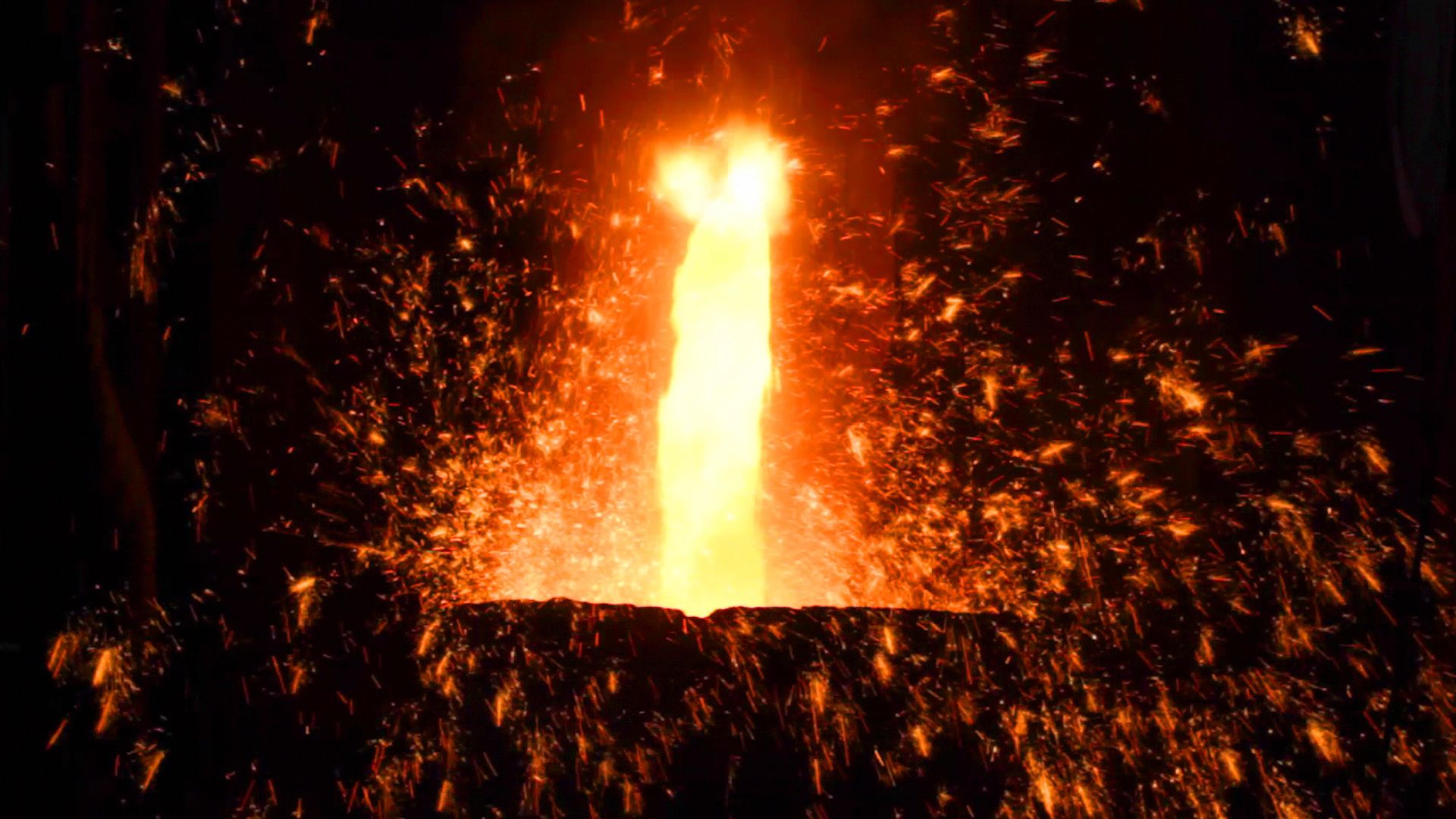
Coke is used in blast furnaces primarily because it is a highly efficient fuel and reducing agent that has been processed to remove volatile constituents, leaving behind a substance that is chiefly carbon.2
While charcoal was historically the standard fuel for iron production, its use became unsustainable due to the widespread depletion of forests. Coal is not used directly in its raw form in traditional blast furnaces because it contains volatile components that must be driven off through the coking process to create a stable, high-carbon residue.12
Coke is preferred for several technical reasons:
* Structural Integrity: It provides the necessary strength to support the heavy burden of ore and limestone within the furnace shaft.21
* Combustion and Reduction: It burns rapidly with forced air to generate the intense heat (approximately 1,650 °C) required to melt iron and produces carbon monoxide, which acts as the essential chemical agent to reduce iron oxides into liquid iron.1