
Britannica
Sources used in this answer
Why does every historic stepwell have a different architectural character?
Created from Britannica articles
using AI.
AI can make mistakes, so verify using Britannica articles.
stepwell
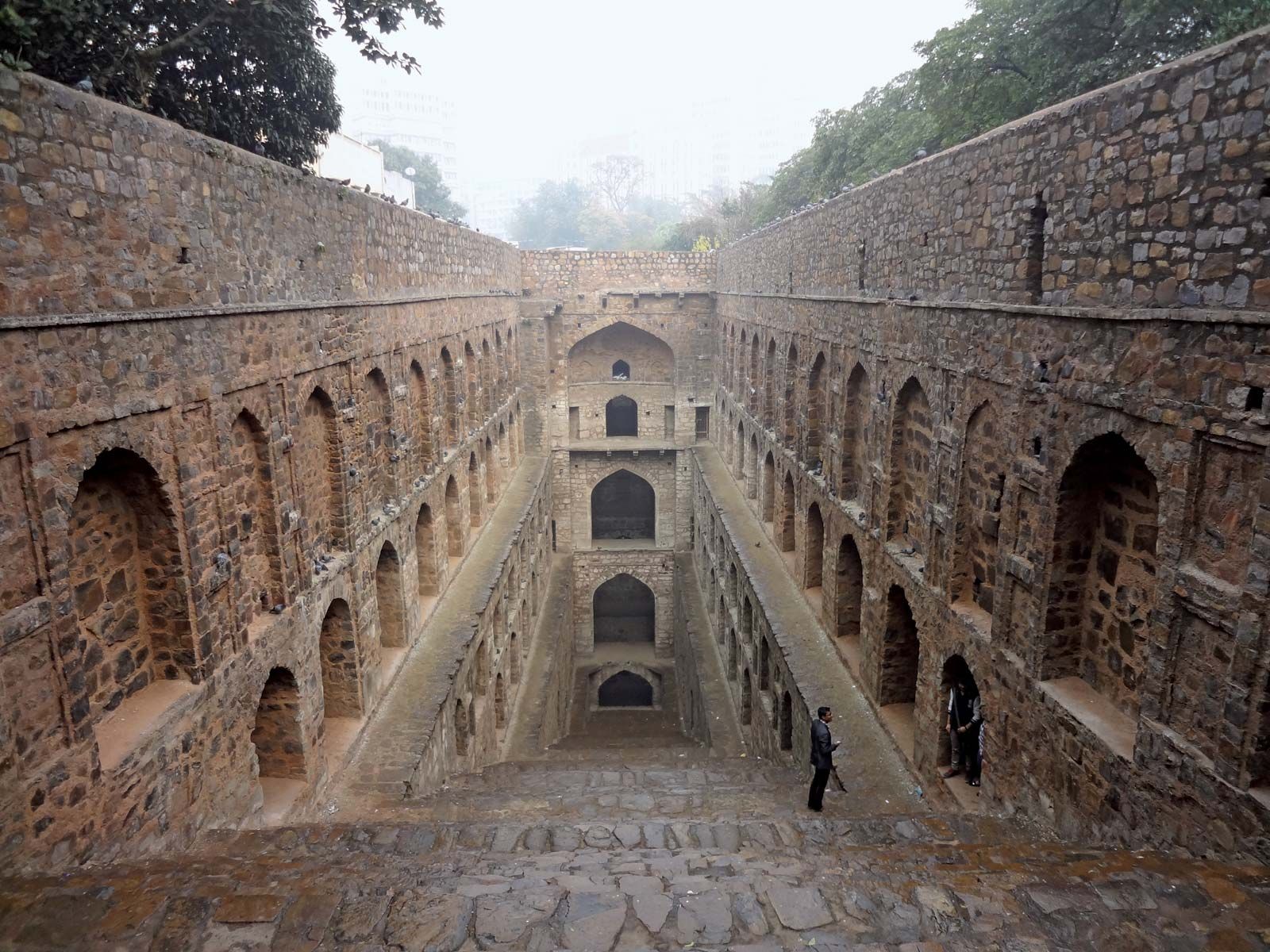
Agrasen ki Baoli, Delhi, India.
The architectural character of each historic stepwell is unique because it was shaped by the specific time, location, and patron associated with its construction. Because stepwells were commissioned by various royal, wealthy, or powerful individuals, their design reflects the diverse cultural and religious influences of the era.12
Key factors contributing to this variety include:
- Cultural and Religious Influence: Hindu stepwells often functioned as subterranean temples, featuring elaborate stone carvings of deities and column-supported pavilions. In contrast, Islamic-commissioned stepwells typically adopted a more sedate aesthetic, incorporating arches, "true" domes, and arched side-niches, while omitting depictions of human or animal figures.1
- Construction Techniques: Builders utilized different methods, such as trabeated (post-and-lintel) construction in Hindu traditions versus the arches and domes introduced under Islamic rule.1
- Functional and Structural Diversity: Stepwells vary significantly in scale, layout, and shape—ranging from rectangular and circular to L-shaped—and may feature multiple entrances. Their design was also dictated by the depth of the local water table, which influenced the number of stories and the complexity of the staircases required to reach the water.1