
Britannica
Sources used in this answer
Why did thousands of stepwells fall into disuse in India?
Created from Britannica articles
using AI.
AI can make mistakes, so verify using Britannica articles.
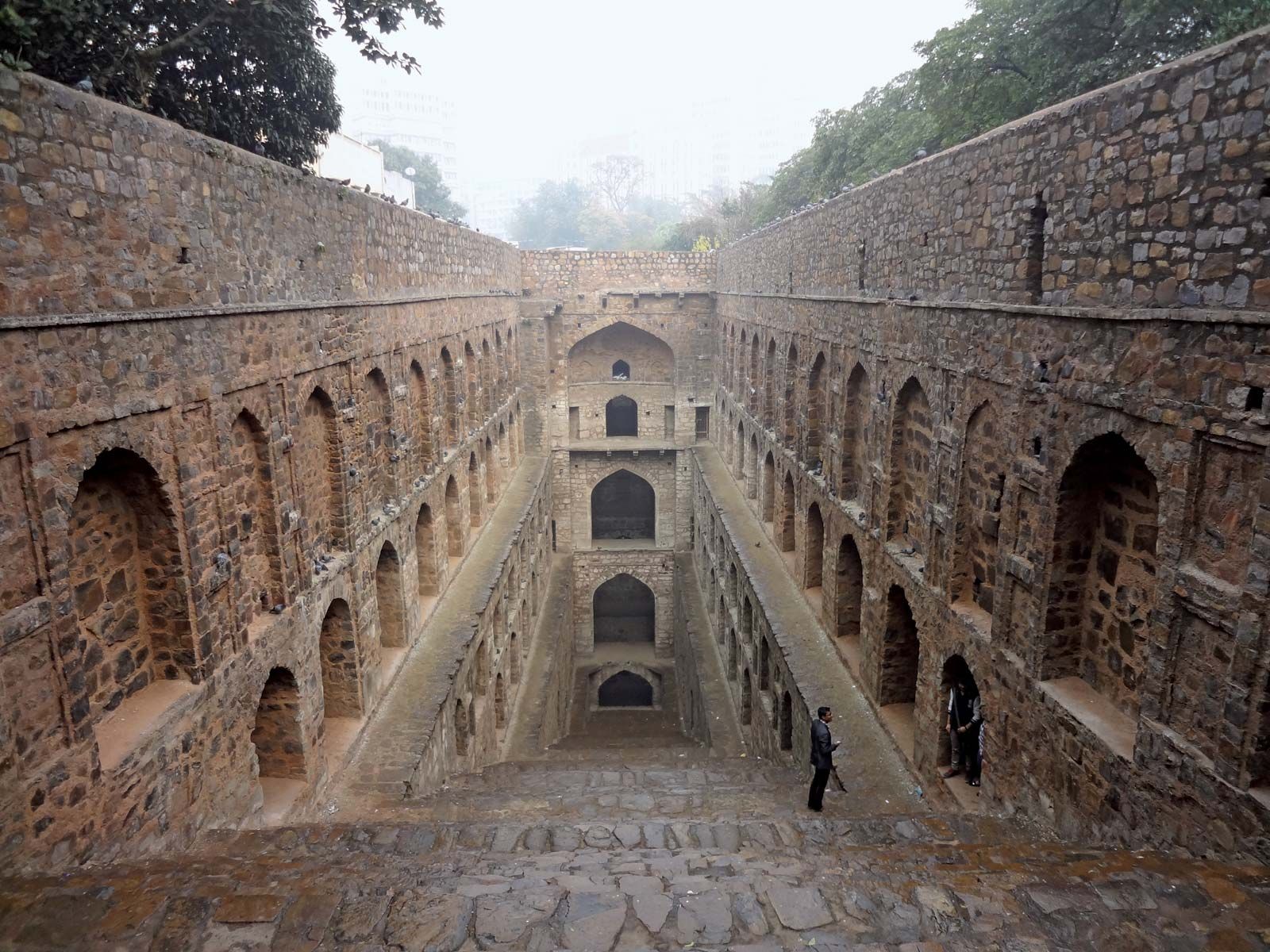
stepwell
Agrasen ki Baoli, Delhi, India.
Thousands of stepwells in India fell into disuse due to a combination of modernization, environmental changes, and colonial-era policies.1
The primary reasons for their decline include:
- Modernization: The introduction of modern water infrastructure—such as village taps, plumbing, and water tanks—rendered the traditional stepwell obsolete for daily water collection.1
- Environmental Factors: Unregulated pumping led to the depletion of groundwater, causing many wells to dry up. Furthermore, as local communities stopped maintaining them, the structures became neglected, silting up or becoming filled with garbage.1
- Colonial Policy: During the period of British rule (1858–1947), many stepwells were intentionally destroyed, barricaded, or filled in because colonial authorities deemed them unhygienic breeding grounds for disease and parasites.1
As these structures lost their functional purpose, they were often ignored, repurposed as storage, or mined for stone, leading to widespread decay. Today, however, there is renewed interest in preserving these architectural feats as part of efforts to address India's water crisis.1