
Britannica
Sources used in this answer
Why did the Bessemer process make steel production much faster?
Created from Britannica articles
using AI.
AI can make mistakes, so verify using Britannica articles.
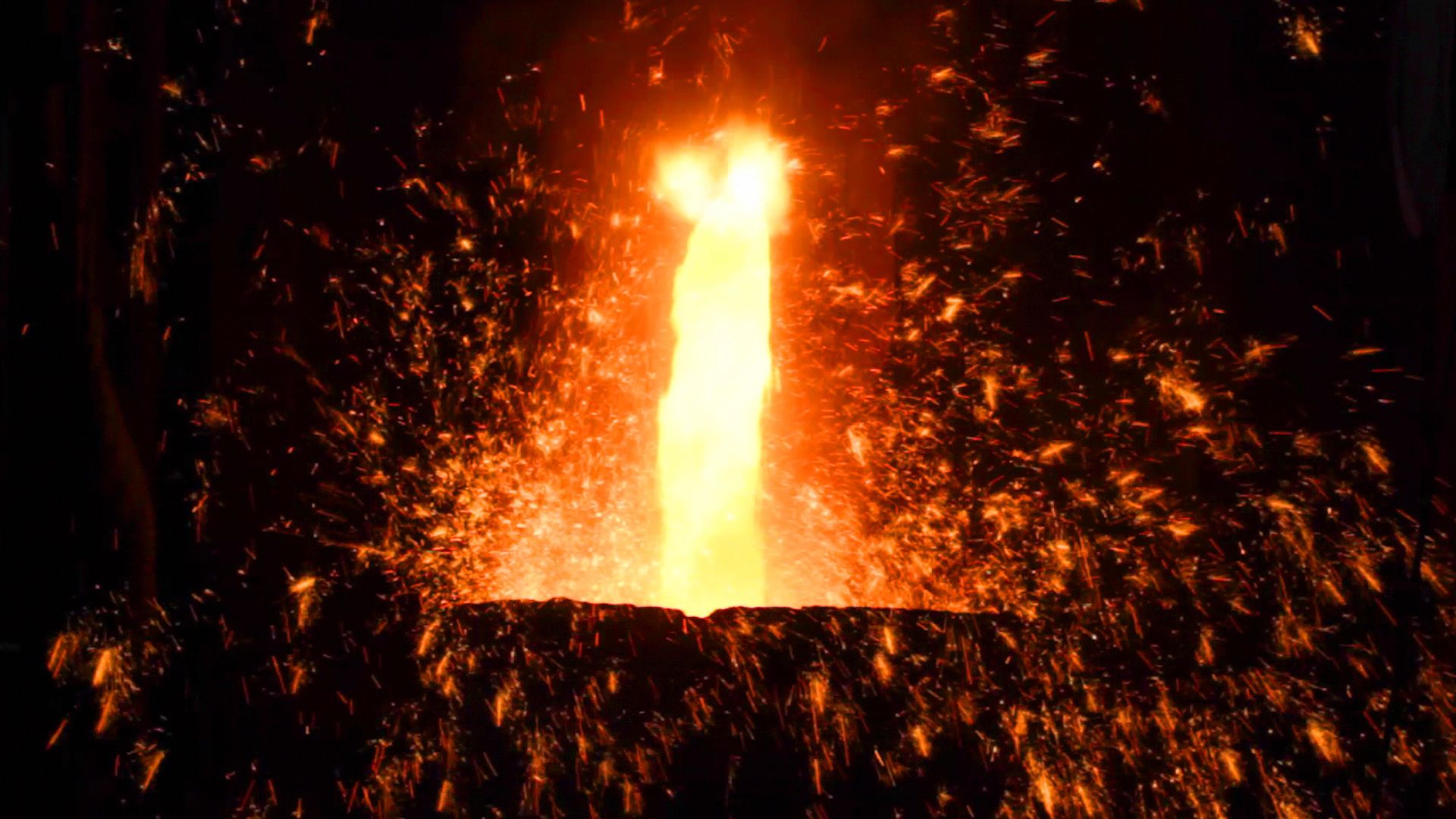
iron processing
Iron ore is one of the most abundant elements on Earth, and one of its primary uses is in the production of steel. When combined with carbon, iron changes character completely and becomes the alloy steel.
The Bessemer process revolutionized steel production by enabling the rapid removal of impurities from molten pig iron through a pneumatic air blast.12
This method significantly increased production speed for several key reasons:
- Exothermic Reaction: By blowing air into the molten iron, oxygen reacts with impurities like silicon, manganese, and carbon. These reactions release substantial heat, which keeps the metal molten throughout the process without requiring external fuel.12
- Efficiency: Because the process generates its own heat, it can convert a charge of iron into steel in as little as 15 minutes.2
- Mass Production: The use of a large Bessemer converter allowed for the bulk processing of iron, turning it into ingots ready for forging or rolling almost immediately.12
Before this innovation, steel production was a slow and costly endeavor; the Bessemer process transformed it into a high-volume, low-cost industry that fundamentally changed building construction and infrastructure.1