
Britannica
Sources used in this answer
Why did many stepwells become cooler at deeper underground levels?
Created from Britannica articles
using AI.
AI can make mistakes, so verify using Britannica articles.
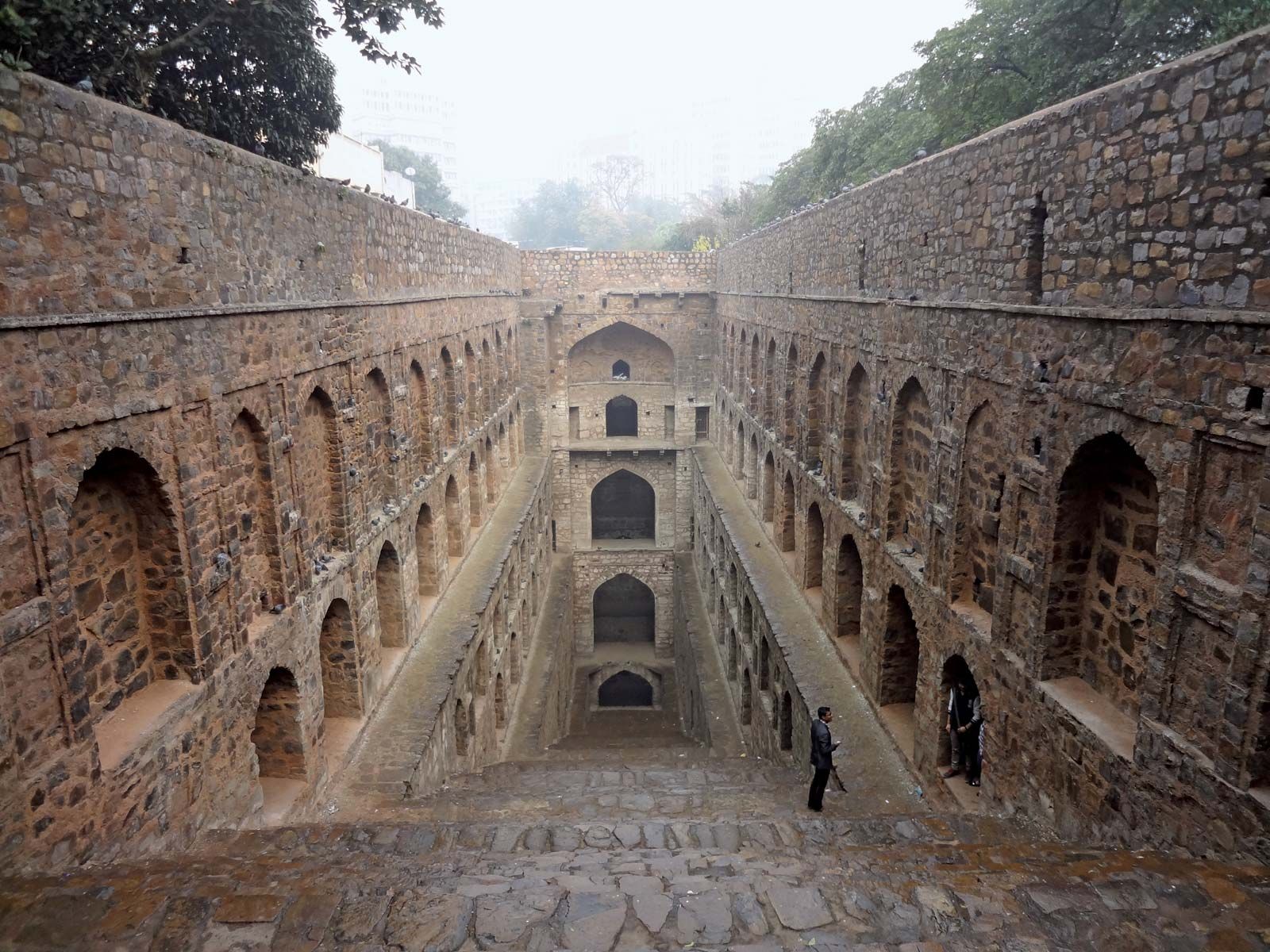
stepwell
Agrasen ki Baoli, Delhi, India.
Stepwells became cooler at deeper underground levels primarily because they were constructed as subterranean edifices, effectively utilizing the earth as a natural insulator. By building downward rather than above ground, architects created a "reverse architecture" that shielded the lower tiers from the intense heat of the surface.
This design allowed the deepest levels to remain refreshingly cool, providing a sanctuary for travelers, pilgrims, and locals during the heat of the day. The structural integration of covered pavilions and ledges further enhanced this environment by providing shade and buttressing the walls against the pressure of the surrounding earth.1