
Britannica
Sources used in this answer
Why did early virtual reality systems use head-mounted displays?
Created from Britannica articles
using AI.
AI can make mistakes, so verify using Britannica articles.
virtual reality
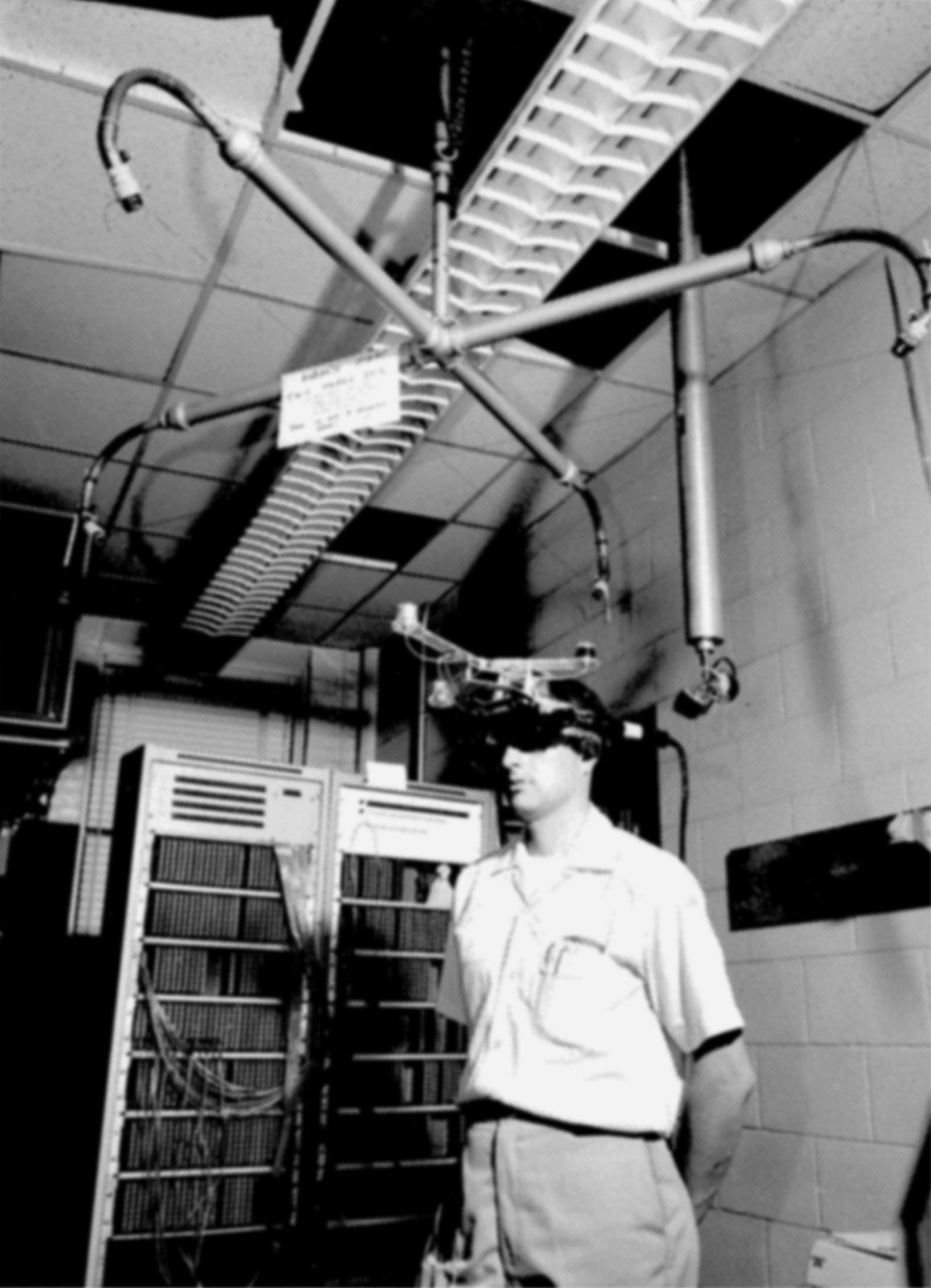
Early head-mounted display device developed by Ivan Sutherland at Harvard University, c. 1967.
Early virtual reality systems utilized head-mounted displays (HMDs) primarily to achieve a high level of immersion by isolating the user's visual field and creating a stereoscopic 3-D environment.1
By placing displays directly in front of the eyes, these devices allowed for the creation of a convincing "telepresence," where the user feels as though they are physically present within a computer-generated space. Key reasons for this design included:12
- Visual Immersion: The HMD provided visual isolation, which intensified the user's sense of being inside the virtual world.1
- Real-time Interaction: These systems incorporated motion tracking, which adjusted the displayed images in real time based on the wearer's head movements, ensuring that the visual perspective remained consistent with the user's actions.12
- Enhanced Capabilities: Early applications, such as those tested by Bell Helicopter, demonstrated that HMDs could augment human vision—such as providing night vision—by equating the pilot's field of view with camera feeds that moved in sync with their head.1
Ultimately, the HMD served as a critical interface for realizing the goal of constructing plausible, richly articulated virtual worlds through sensory input.1