
Britannica
Sources used in this answer
Why did England begin replacing charcoal with coke in iron furnaces?
Created from Britannica articles
using AI.
AI can make mistakes, so verify using Britannica articles.
iron processing
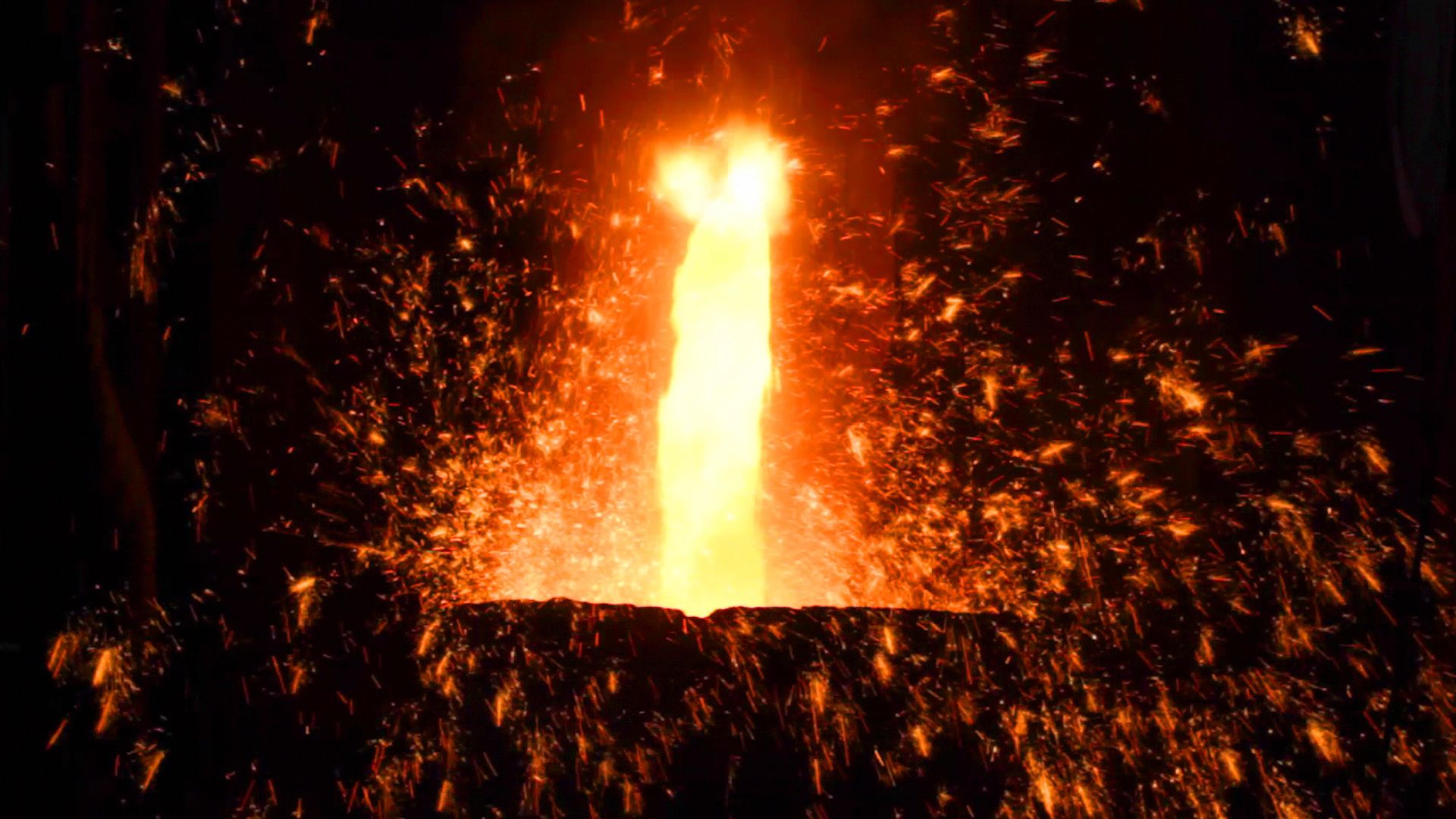
Iron ore is one of the most abundant elements on Earth, and one of its primary uses is in the production of steel. When combined with carbon, iron changes character completely and becomes the alloy steel.
England began replacing charcoal with coke in iron furnaces primarily due to environmental concerns and the need for greater industrial efficiency. By the 17th century, the rapid destruction of forests for charcoal production prompted the English government to encourage experimentation with alternative fuels like coal.1
Experimenters discovered that the roasting process used for charcoal could be adapted to coal, creating coke—an extremely hot-burning fuel. The transition offered several key advantages:1
- Efficiency and Scale: Coke proved superior to charcoal because it was strong enough to support the heavy charges of iron in much larger furnaces, allowing for increased production capacity.2
- Resource Independence: The shift freed the British iron industry from its reliance on dwindling forest resources, enabling it to relocate near major coalfields.3
- Cost-Effectiveness: Coke demonstrated clear superiority in cost and efficiency, eventually facilitating the mass production of iron that fueled the Industrial Revolution.23
Ironmaster Abraham Darby was instrumental in this transition, successfully producing marketable iron in a coke-fired furnace by 1709.2