
Why are wind farms often built far from large population centers?
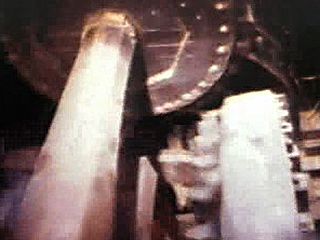
The ingenuity people used in harnessing waterpower can be seen in this medieval-style mill. The waterwheel is turned by a stream and is connected to a shaft that leads into the building. At the other end of the shaft is a gear. The connection of a series of gears translates the power from the stream to a shaft that drives a millstone, which grinds flour from grain.
(30 sec; 1.84MB)
Wind farms are frequently located far from large population centers primarily because the most cost-effective sites for wind power generation—those with consistent, strong winds—are often found in remote rural areas or offshore.12
While these locations are ideal for maximizing energy capture, they present logistical challenges:
- Infrastructure Requirements: Because these sites are distant from cities and towns, significant investment is required to build new power lines and electrical distribution systems to transmit the generated electricity to consumers.12
- Environmental and Aesthetic Concerns: Siting wind farms away from populated areas helps mitigate public concerns regarding noise, visual disturbances, and potential impacts on local aesthetics, which have historically led to opposition in more developed regions.13
- Land Availability: Large-scale wind projects require substantial space to group multiple wind turbines together, which is more readily available in remote or offshore environments.13
Building in these remote areas is a strategic trade-off, balancing the need for high-quality wind resources with the necessity of connecting that energy to the broader power grid.12