
Britannica
Sources used in this answer
Why are blast furnaces lined with refractory materials?
Created from Britannica articles
using AI.
AI can make mistakes, so verify using Britannica articles.
iron processing
Iron ore is one of the most abundant elements on Earth, and one of its primary uses is in the production of steel. When combined with carbon, iron changes character completely and becomes the alloy steel.
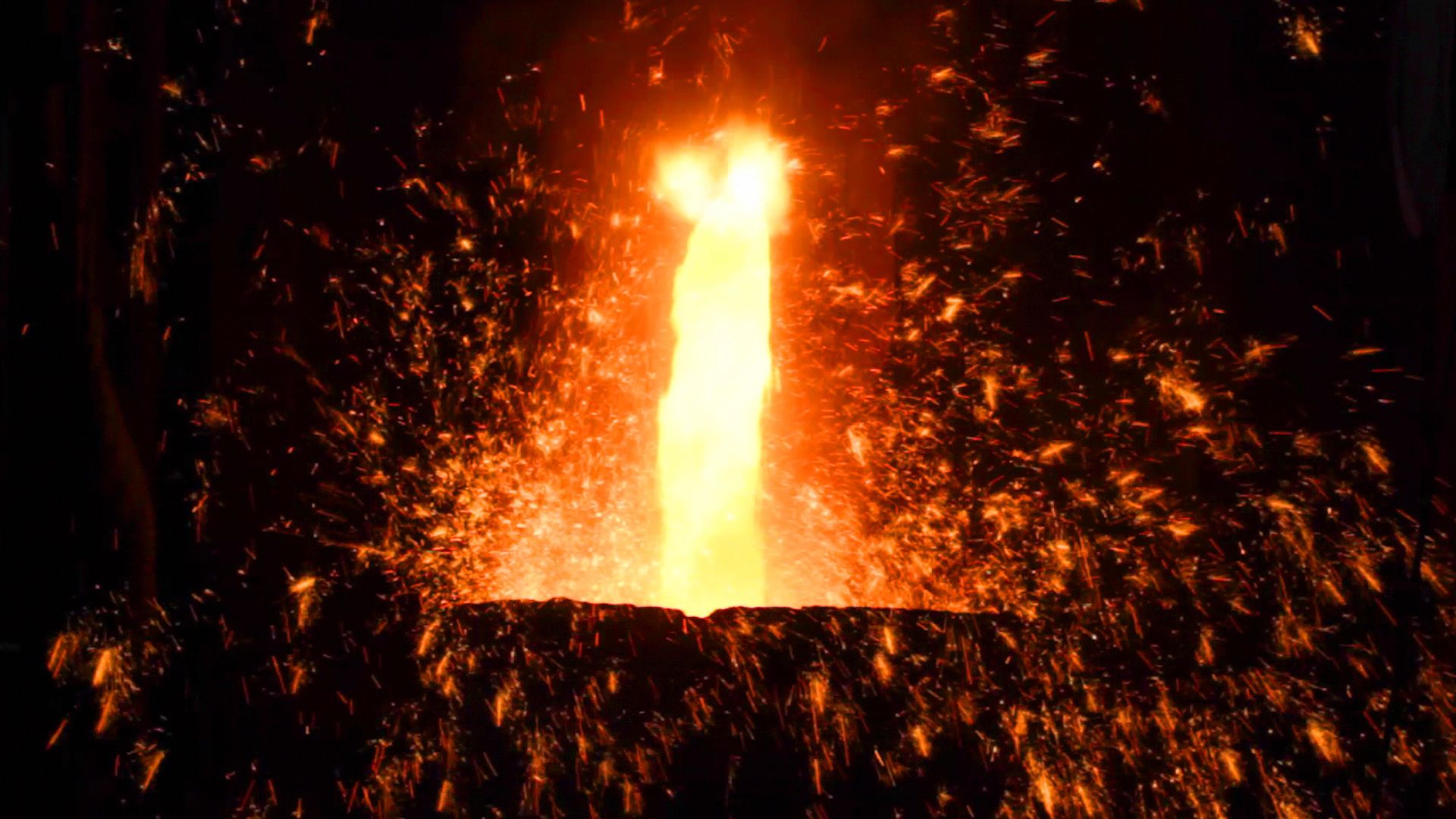
Blast furnaces are lined with refractory materials—such as firebrick, graphite, and carbon bricks—primarily to protect the furnace's steel shell from the extreme heat and corrosive environment generated during iron production.12
These materials are essential because they maintain their structural integrity at the very high temperatures required to melt iron and slag, which can reach approximately 1,650 °C (3,000 °F). The specific choice of lining varies by section based on the conditions present:23
- Hearth and Bosh: These areas experience the highest temperatures and direct contact with molten iron and slag. They are typically lined with carbon-type refractory blocks, which offer superior resistance to the corrosive action of the molten materials compared to other options.12
- Stack: This section is generally lined with high-quality fireclay brick to provide thermal protection for the outer shell.12
To prevent these linings from burning out or degrading prematurely, blast furnaces incorporate integrated cooling systems, such as water-cooled plates, staves, or sprays, within the refractory structure.12