
Britannica
Sources used in this answer
Who usually paid for the construction of stepwells in India?
Created from Britannica articles
using AI.
AI can make mistakes, so verify using Britannica articles.
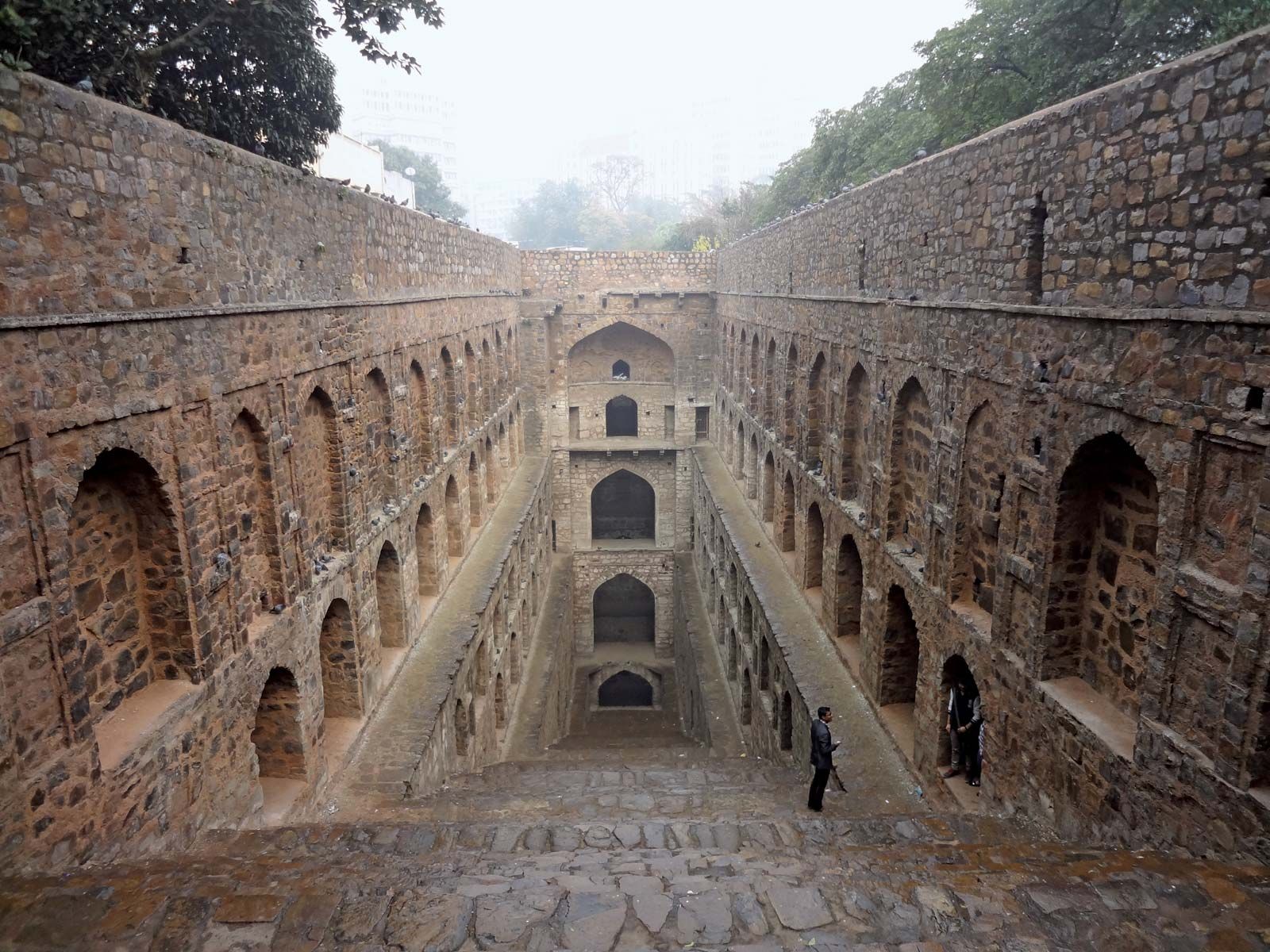
stepwell
Agrasen ki Baoli, Delhi, India.
Stepwells in India were typically commissioned by royal, wealthy, or powerful patrons. It was considered a highly meritorious act to fund the construction of these structures, which served as vital public monuments for travelers, pilgrims, and local communities.1
Historical records indicate that approximately one-fourth of these philanthropists were women. For example, the famous Rani ki Vav in Patan was commissioned by Queen Udayamati around 1060, while other notable structures, such as the Rudabai Vav, were also commissioned by female patrons.1