
Britannica
Sources used in this answer
Which raw materials are added to an ironmaking blast furnace?
Created from Britannica articles
using AI.
AI can make mistakes, so verify using Britannica articles.
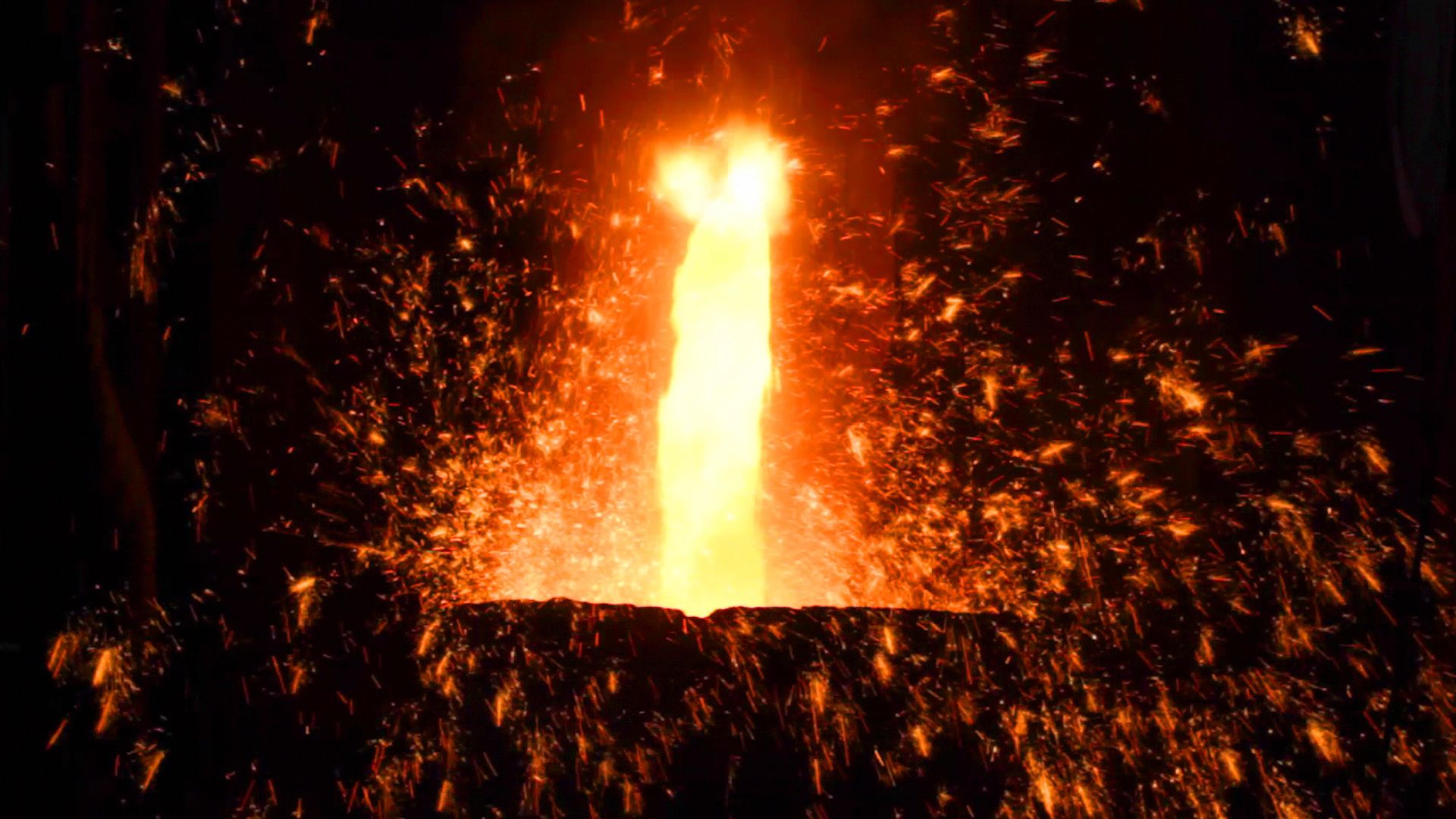
iron processing
Iron ore is one of the most abundant elements on Earth, and one of its primary uses is in the production of steel. When combined with carbon, iron changes character completely and becomes the alloy steel.
To produce iron in a blast furnace, three primary raw materials—collectively known as the burden—are fed into the top of the furnace in alternating layers:1
- Iron-bearing materials: These include iron ore in forms such as pellets or sinter, which provide the source of iron.1
- Coke: This serves as the primary fuel and reducing agent. It is burned to generate the high temperatures required for the process and provides the carbon necessary to chemically reduce iron oxides into molten iron.21
- Flux: Materials such as limestone are added to react with impurities in the ore and the ash from the coke to form [slag].1
In addition to these solid materials, preheated air is blown into the bottom of the furnace through tuyeres to support combustion. In some modern operations, this air may be enriched with oxygen or supplemented with injected fuels like oil or natural gas to enhance efficiency.31