
What role did women play in commissioning stepwells?
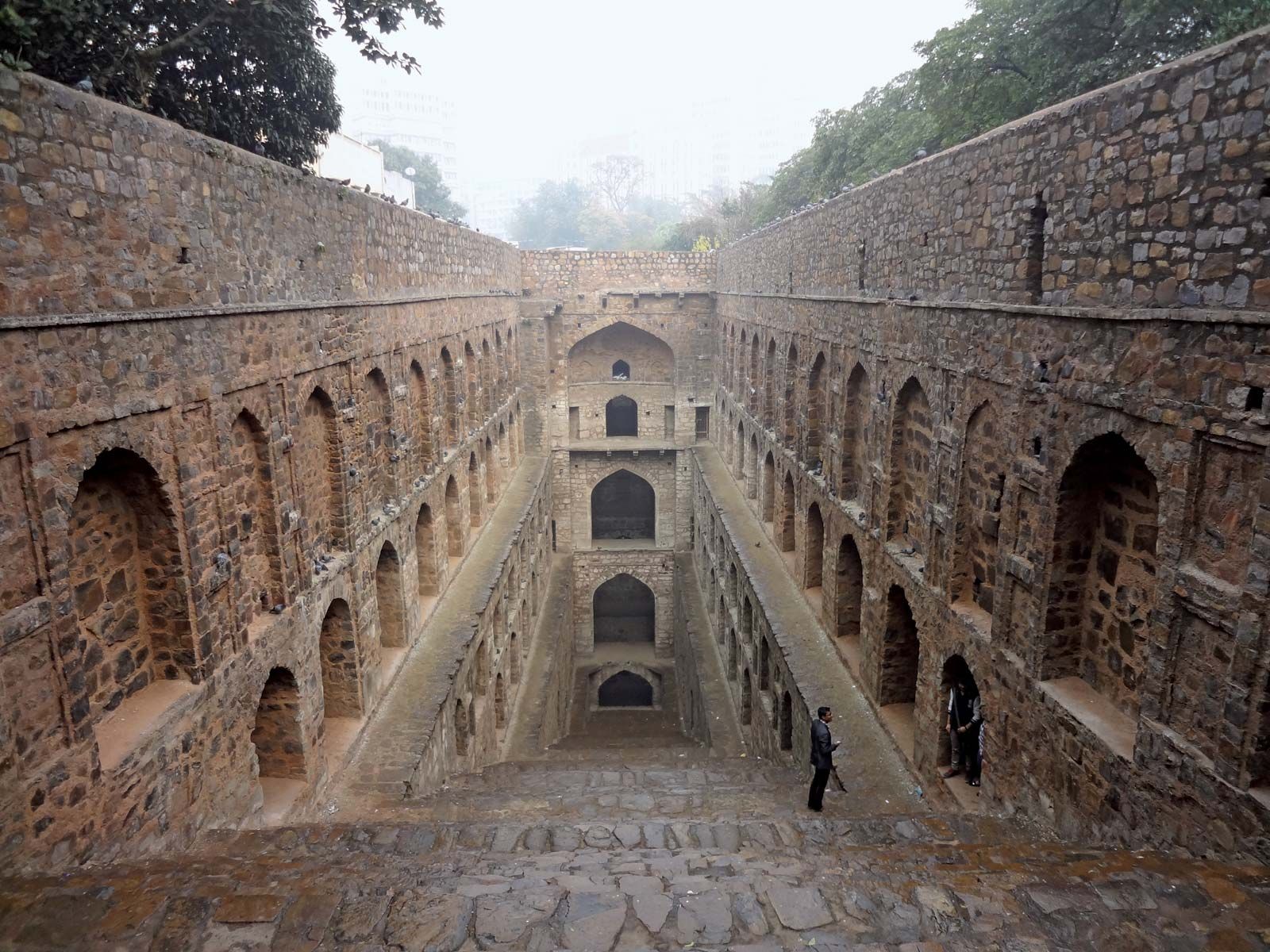
Women played a significant role as patrons in the construction of stepwells, which were considered highly meritorious acts of philanthropy. Scholars estimate that approximately one-fourth of the wealthy or powerful individuals who commissioned these structures were female.1
These commissions often served as lasting monuments or commemorative gestures. For example, the famous Rani ki Vav ("Queen’s Stepwell") in Patan was commissioned by Queen Udayamati around 1060 to honor her deceased spouse. Additionally, during the period when Islamic and Hindu architectural traditions merged in Gujarat around 1500, prominent stepwells such as the Rudabai Vav and the Dada Harir Vav were both commissioned by female patrons.1
Beyond their role as commissioners, women were also the primary users of these spaces. Because the task of fetching water was traditionally assigned to women, stepwells provided a vital reprieve in their daily routines and served as important social gathering hubs.1