
What role did the U.S. Department of Defense play in the development of virtual reality?
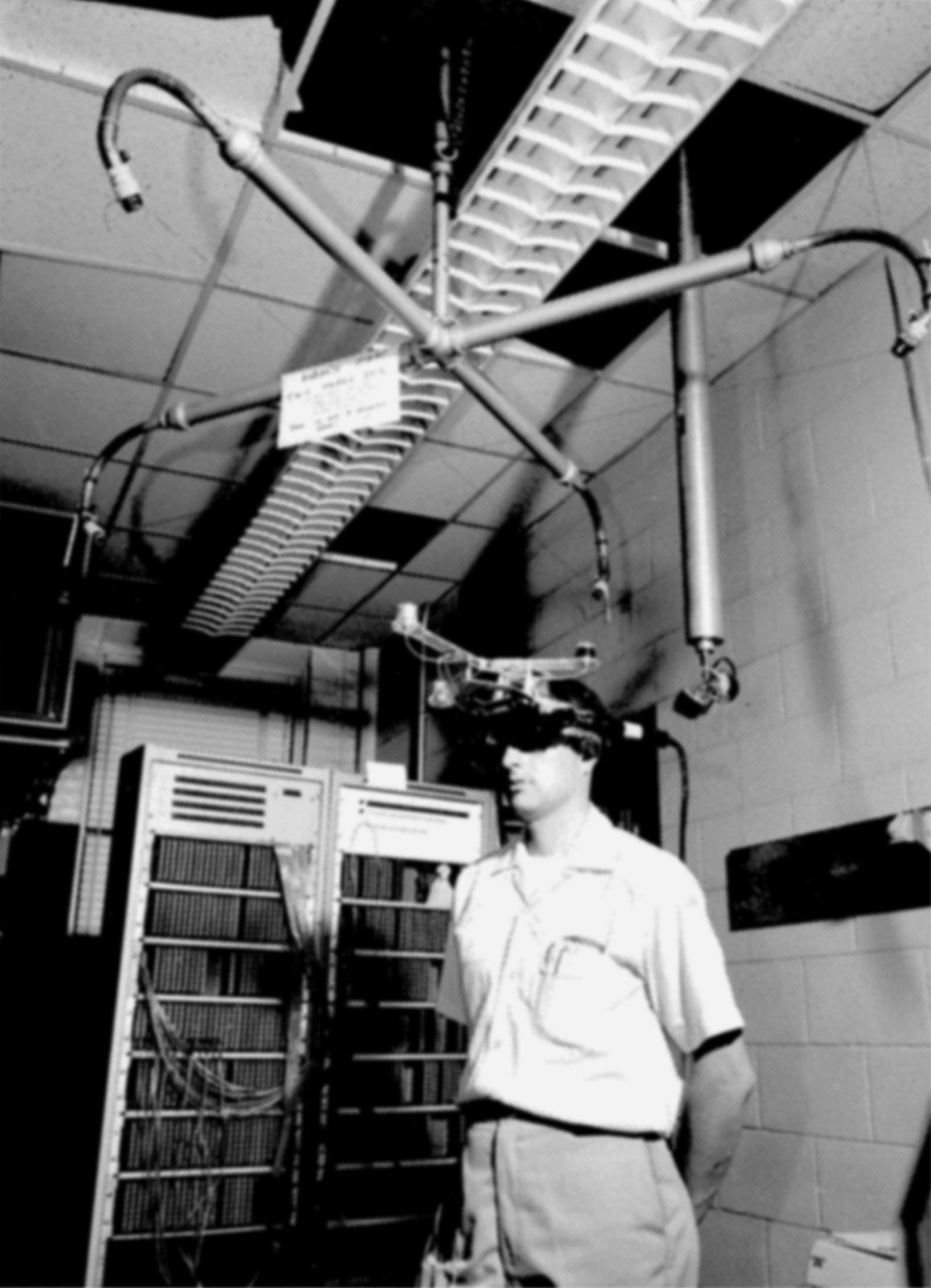
The U.S. Department of Defense (DoD) played a foundational role in the development of virtual reality by funding critical research and establishing early standards for simulation technology.
Military Funding and Research
The federal government, particularly through the Department of Defense and its agency DARPA, provided essential support for university-based laboratories. This funding fostered a pool of talent in computer graphics and networked environments, bridging the gap between academic research and military application. Early projects, such as the Navy-funded Project Whirlwind and the Air Force-funded SAGE radar system, pioneered the use of cathode-ray tube displays and interactive input devices.
Simulation and Training
The military’s need for cost-effective, safe training drove significant technological leaps:
* SIMNET: In the 1980s, the DARPA-funded SIMulator NETworking project created a network of linked simulators for collective training, emphasizing social interaction and command-and-control over physical fidelity.
* Flight and Cockpit Systems: The military utilized flight simulators as early as World War II. Later, programs like the Air Force’s "Super Cockpit" integrated head-mounted displays to immerse pilots in data-rich virtual environments.
* Telepresence: In the 1990s, DARPA initiatives funded research into telepresence workstations, which laid the groundwork for modern robotic surgery.